

Lecanemab, an experimental dementia drug, slowed cognitive decline by 27% in late-stage clinical trials.
Articles on Dementia
Displaying 261 - 280 of 565 articles

Older people with COVID are at higher risk of a new Alzheimer’s diagnosis within a year of testing positive. Vaccination against viral infection remains one of several important preventative measures.
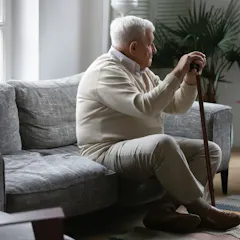
We asked more than 830 older Australians about their awareness of 12 factors that help reduce dementia risk.

New study finds that middle-aged people who had nightmares every week, are four times more likely to experience cognitive decline.

Action is needed to hold off a wave of dementia cases in an aging population. One of the most effective tools to reduce the prevalence of dementia is to address modifiable factors.
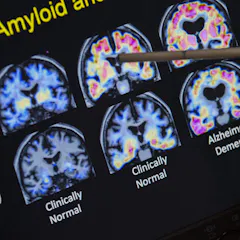
Alzheimer’s may not be primarily a disease of the brain. It may be a disorder of the immune system within the brain. Beta-amyloid may not be an abnormal protein, but part of the brain’s immune system.

You may dismiss many behaviour changes as just a normal part of ageing. But it may be doggy dementia, or canine cognitive dysfunction.
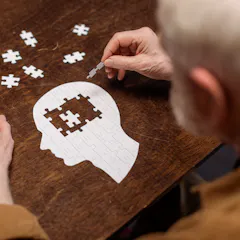
A highly cited paper on Alzheimer’s disease may have been purposely manipulated.

People who get COVID continue to face increased risks of developing some neurological and psychiatric conditions, like psychosis and dementia, for up to two years afterwards.

Not all Alzheimer’s research has been compromised by allegations of scientific fraud. But we should interrogate whether the governing bodies of research and drug approvals are truly effective.

The first step is to trust in the friendship and begin to explore how it can be sustained over time.

Dementia doesn’t affect everyone equally. Social factors can determine how likely you are to suffer from the illness, including your socioeconomic status, where you live, and your background.

Much dementia research does not reflect ethnically diverse communities. Studies used to make policy, clinical and investment decisions in dementia should reflect the diverse Canadian population.

A new study has found in those with cognitive decline, memory can be improved by treating sleep apnoea.

Younger people with dementia are more likely to experience quicker disease decline. But annual NDIS reviews don’t capture their changing needs.

Because they help to create a shared understanding, metaphors can play a critical role in navigating the gap between the knowledge patients and health-care providers bring.

Participants who woke up fewer times during the night performed better on memory tasks the next day.

It’s still unclear whether HRT can protect brain function and prevent dementia.
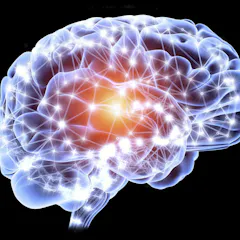
Long overlooked by scientists, white matter may provide clues to some of the brain’s greatest mysteries.

Both too much and too little sleep may interfere with our cognition.
Top contributors
-

Professor of Biological Psychology, Loughborough University
-
PhD Candidate, Neuroscience, University of Sheffield
-
Head of Clinical Services, Dementia Support Australia, & Associate Professor of Psychiatry, Monash University
-
Research Fellow in Neuroimmunology, UCL
-
Associate Professor, Turner Institute for Brain and Mental Health, Monash University
-
Professor of Chemistry and Senior Scientist of the Krembil Research Institute, University Health Network, University of Toronto
-
Associate Professor | Deputy Director, The MARCS Institute for Brain, Behaviour and Development, Western Sydney University
-
Lecturer, School of Psychology, UNSW ; Neuroscience Research Australia
-
Senior Research Fellow in the Institute of Population Health & NIHR ARC North West Coast Social Care Theme Lead, University of Liverpool
-
Associate professor, University of Sydney
-
Host, The Conversation Weekly Podcast, The Conversation
-
Professor in Ageing and Health, University of Sydney
-
Affiliate Professor, Department of Family Medicine, McGill University
-
Professor Emeritus of Molecular Neurobiology at the University of Manchester and a Visiting Professorial Fellow, University of Oxford
-
Associate Professor in Cellular Neuroscience, University of Reading