
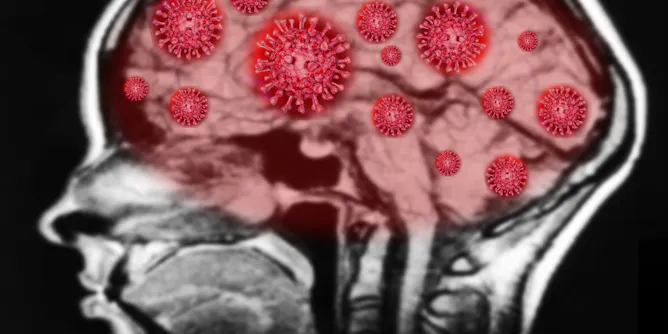
Many patients suffering from COVID-19 exhibit neurological symptoms, from loss of smell to delirium to a higher risk of stroke. Down the road, will COVID-19 survivors face a wave of cognitive issues?
Articles on Dementia
Displaying 341 - 360 of 565 articles
The stigma that dehumanizes people living with dementia is reflected in the toll of COVID-19 in long-term care. Reforming long-term care must challenge this stigma with a new ethic of care.
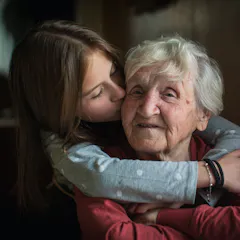
Though a recent study’s results were promising, there is still much that researchers don’t know.
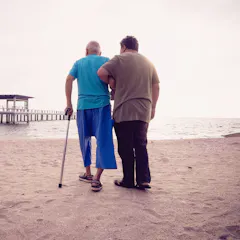
Stress, depression, and high blood pressure were just some of the risk factors the study’s researchers identified.
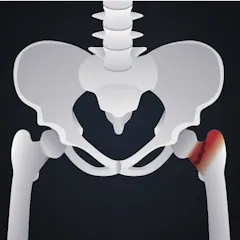
Every year, about 70 per cent of long-term care residents have at least one fall, and half of those result in injury. Wearable gear and changes to living spaces aim to prevent falls and limit injury.
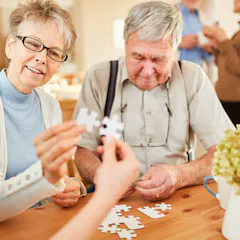
Having extra copies of a gene called BACE2 can slow down the development of Alzheimer’s disease in human brain cells.

The Federal Bureau of Prisons recently opened a unit for people suffering dementia. But is incarceration a ‘cruel and unusual’ punishment for those who don’t understand why they are behind bars?
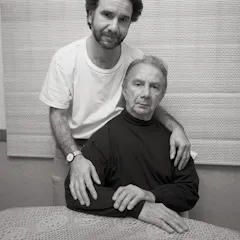
What does an artist do when the subject is a disease as much as a person, and when the disease then subsumes the person – to the point where he can’t recognize his own son?
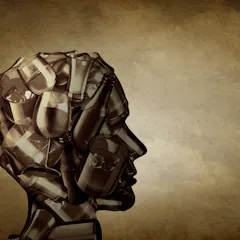
Lockdown #quarantinis might seem like a way of getting through, but few realise how much drinking can affect the brain.

Our study found that people who had higher repetitive negative thinking patterns experienced more cognitive decline over a four-year period.

The antibody can be used to diagnose Alzheimer’s disease.

We’ve known for some time type 2 diabetes causes a range of health complications, like heart disease. But now we’re starting to see people with diabetes are more likely to get cancer and dementia too.
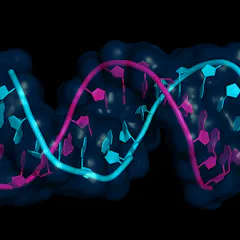
Tiny parts of our genome once thought useless are being turned into ways to diagnose and treat disease.

Foods rich in flavonoids (such as apples, berries, or tea) are important for cognitive health, research suggests.
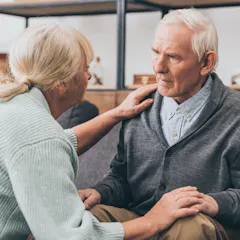
We now have the technology to identify people who are on a fast track to developing dementia.

Look out for your elderly parents, family members, friends and neighbors. It could save their lives.

A lot of claims have been made about the benefits of tai chi, but do they all stand up?
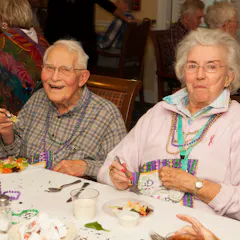
Assisted living facilities are one option for seniors. But finding clear and accurate information about them isn’t easy.

Asking loved ones with memory problems to discuss holiday memories can help them retrieve some memories, studies suggest. In turn, that can improve mood and quality of life.
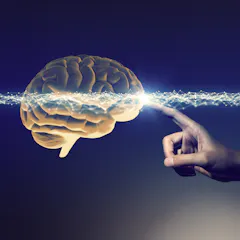
From dementia to depression to drug addiction, artificial brain stimulation has been hailed as a landmark medical technology for the future. But safeguards are needed if we want the benefits without the risks.
Top contributors
-

Professor of Biological Psychology, Loughborough University
-
PhD Candidate, Neuroscience, University of Sheffield
-
Head of Clinical Services, Dementia Support Australia, & Associate Professor of Psychiatry, Monash University
-
Research Fellow in Neuroimmunology, UCL
-
Associate Professor, Turner Institute for Brain and Mental Health, Monash University
-
Professor of Chemistry and Senior Scientist of the Krembil Research Institute, University Health Network, University of Toronto
-
Associate Professor | Deputy Director, The MARCS Institute for Brain, Behaviour and Development, Western Sydney University
-
Lecturer, School of Psychology, UNSW ; Neuroscience Research Australia
-
Senior Research Fellow in the Institute of Population Health & NIHR ARC North West Coast Social Care Theme Lead, University of Liverpool
-
Associate professor, University of Sydney
-
Host, The Conversation Weekly Podcast, The Conversation
-
Professor in Ageing and Health, University of Sydney
-
Affiliate Professor, Department of Family Medicine, McGill University
-
Professor Emeritus of Molecular Neurobiology at the University of Manchester and a Visiting Professorial Fellow, University of Oxford
-
Associate Professor in Cellular Neuroscience, University of Reading