

An 18-month treatment with lecanemab slows functional and cognitive loss by 27 per cent in people with mild Alzheimer’s disease. But this is only the first step towards a real cure.
Articles on Dementia
Displaying 241 - 260 of 565 articles

The decision to move a loved one with dementia into residential care is an incredibly difficult one. These considerations may help.

Not all memory lapses are due to age-related changes in our brains. You could just be tired, anxious or distracted. Here’s what signals a problem.
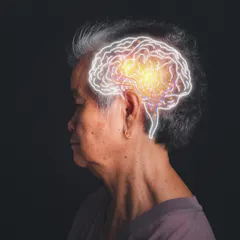
Impaired insulin receptors in the blood vessels between the blood and the brain may contribute to the insulin resistance observed in Alzheimer’s disease.
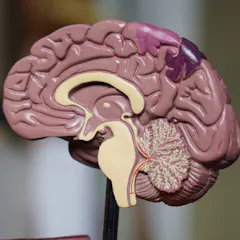
Two new dementia drugs are being hailed as breakthroughs. But what might be an incremental breakthrough for researchers, doesn’t mean a cure for patients.
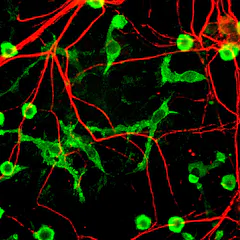
Microglia, immune cells disguised as brain cells, are known as the janitors of the brain. Dialing up their usual duties just enough could provide an avenue to treat neurodegenerative disease.
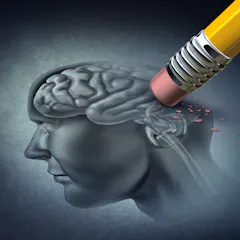
Lecanemab slows progression of early-stage Alzheimer’s disease in some, new study shows. But the ‘adverse events’ are significant.

With a good diet and rest, we can all reduce our risk of dementia.
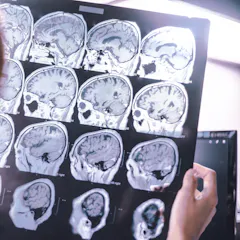
Experimental drugs gantenerumab has failed phase 3 clinical trials. Here’s what that means for the future of the amyloid hypothesis.
The world’s longest running cohort study reveals risk factors for dementia. Families of athletes with early-onset dementia tell their stories. Could viruses cause Alzheimer’s? Listen to the Uncharted Brain: Decoding Dementia podcast series.
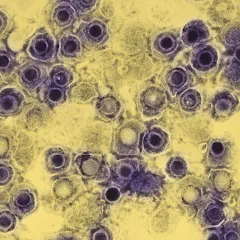
Listen to the third episode of our series Uncharted Brain: Decoding Dementia via The Anthill podcast.

Listen to the second episode of our series Uncharted Brain: Decoding Dementia via The Anthill podcast.

Listen to the first episode of our series Uncharted Brain: Decoding Dementia via The Anthill podcast.

Just months after the end of the second world war, the longest running study of health over the human life course in the world began – and it’s still going.

With an increasing number of people living with dementia worldwide and in Canada, it’s crucial to find ways to promote community awareness and prevent people with dementia from getting lost.

We dug into what was behind the headlines on nose-picking and dementia so you don’t have to. Here’s what the study really says.
A podcast and long read series exploring new research into the brain and dementia.

People who live with dementia and those who care for them are at increased risk of social isolation and loneliness. That can make floods and other emergencies especially distressing and dangerous.

Up to 60% of people with dementia will get lost at some point after diagnosis.
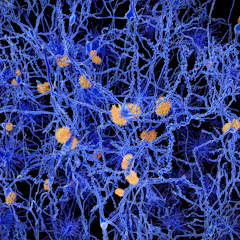
Too much amyloid-beta in the brain has long been considered the cause of Alzheimer’s. New research suggests it might be the opposite.
Top contributors
-

Professor of Biological Psychology, Loughborough University
-
PhD Candidate, Neuroscience, University of Sheffield
-
Head of Clinical Services, Dementia Support Australia, & Associate Professor of Psychiatry, Monash University
-
Research Fellow in Neuroimmunology, UCL
-
Associate Professor, Turner Institute for Brain and Mental Health, Monash University
-
Professor of Chemistry and Senior Scientist of the Krembil Research Institute, University Health Network, University of Toronto
-
Associate Professor | Deputy Director, The MARCS Institute for Brain, Behaviour and Development, Western Sydney University
-
Lecturer, School of Psychology, UNSW ; Neuroscience Research Australia
-
Senior Research Fellow in the Institute of Population Health & NIHR ARC North West Coast Social Care Theme Lead, University of Liverpool
-
Associate professor, University of Sydney
-
Host, The Conversation Weekly Podcast, The Conversation
-
Professor in Ageing and Health, University of Sydney
-
Affiliate Professor, Department of Family Medicine, McGill University
-
Professor Emeritus of Molecular Neurobiology at the University of Manchester and a Visiting Professorial Fellow, University of Oxford
-
Associate Professor in Cellular Neuroscience, University of Reading