

Physical inactivity contributes to dementia risk as much as genetics, according to research.
Articles on Dementia
Displaying 361 - 380 of 565 articles

Simple policies, such as the free bus pass for older adults, not only reduce loneliness but also help older people maintain cognitive function.
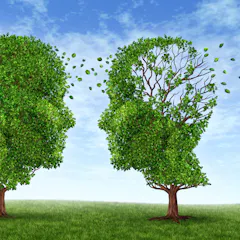
Why the lives of bilingual dementia patients can be transformed by finding carers who speak their native language.

Many people might want to choose how, when, and under what circumstances they die – but diseases like dementia can complicate advance euthanasia directives.

We found that the key factors behind poor cognitive function were related to levels of education, being a woman, marital status and being poor.

Providing support and treatment might help reduce harmful drinking behaviours in seniors.
Having better diagnostic tools will allow healthcare professionals to provide the best care possible.

Researchers are looking for ways to determine who’s most at risk for dementia and also ways to detect it early. A scientist who has studied low blood pressure makes a case for a link between the two.

Forget Alexa – true artificial intelligence will be able to understand dementia patients’ needs and offer help accordingly.
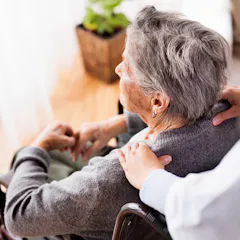
Technological solutions may help to relieve the burden of care for family, service providers and caregivers working with the elderly.
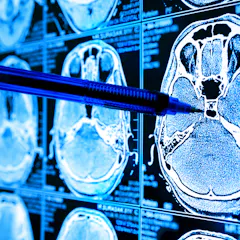
Artificial intelligence holds great promise for medicine, but safeguards are needed to ensure it does not harm patients.
Alzheimer’s disease is the most common form of dementia. Despite all efforts, no treatments have been found yet. To increase the odds, we need to rethink our approach and try to better understand it.

In dementia sufferers, if autobiographical self-knowledge is lost, feelings of agency – learned as an child – may be the last remaining facet of self, something most studies have ignored.

Many chronic diseases increase our risk of Alzheimer’s disease. This link between our bodies and our brains means certain healthy choices could protect our cognitive function.

Dementia villages and care homes that try and recreate the past are unsustainable.

Ever more Americans are using digital cameras to keep an eye on elderly relatives who live in nursing homes. This surveillance may violate patients’ privacy and demoralize their caretakers.
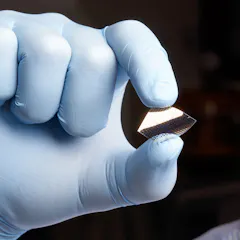
Our brains create new memories, and forget old ones, by forging and breaking connections between nerve cells. Now researchers can do something similar using a light-sensitive electronic chip.
Some previous research suggests people living in rural areas may be at a higher risk of developing Alzheimer’s disease. But these results tell a different story.

Working as a professional carer is a stressful and high-pressure job. Making sure carers have the right training and support is crucial.
Some carers actually thrive in the face of dementia, here’s why.
Top contributors
-

Professor of Biological Psychology, Loughborough University
-
PhD Candidate, Neuroscience, University of Sheffield
-
Head of Clinical Services, Dementia Support Australia, & Associate Professor of Psychiatry, Monash University
-
Research Fellow in Neuroimmunology, UCL
-
Associate Professor, Turner Institute for Brain and Mental Health, Monash University
-
Professor of Chemistry and Senior Scientist of the Krembil Research Institute, University Health Network, University of Toronto
-
Associate Professor | Deputy Director, The MARCS Institute for Brain, Behaviour and Development, Western Sydney University
-
Lecturer, School of Psychology, UNSW ; Neuroscience Research Australia
-
Senior Research Fellow in the Institute of Population Health & NIHR ARC North West Coast Social Care Theme Lead, University of Liverpool
-
Associate professor, University of Sydney
-
Host, The Conversation Weekly Podcast, The Conversation
-
Professor in Ageing and Health, University of Sydney
-
Affiliate Professor, Department of Family Medicine, McGill University
-
Professor Emeritus of Molecular Neurobiology at the University of Manchester and a Visiting Professorial Fellow, University of Oxford
-
Associate Professor in Cellular Neuroscience, University of Reading