

Sleep appears to play an essential role in a number of brain functions, such as memory. So good quality sleep could play a vital role in preventing dementia.
Articles on Dementia
Displaying 181 - 200 of 565 articles

Artificial intelligence helped identify the blood proteins that are the best predictors of dementia.

By 2050, 25% of the UK population will be over 65, yet only 9% of the country’s current homes meet basic accessibility standards.

Family caregivers who have stronger support networks and positive communication with loved ones tend to be more resilient.

A closer look at the study suggests something else might explain the high figure.

On Feb. 7, 2024, the EPA strengthened the federal limit for annual levels of fine particulate air pollution, or PM2.5. Many serious health effects have been linked to PM2.5 exposure.

Listening to music, though, doesn’t have the same benefits.
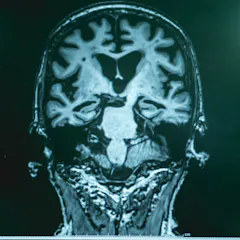
Scientists have published the first evidence that Alzheimer’s can be transmitted from person to person. Patients received human growth hormone from the tissue of donated brains.

Montréal is home to one of the world’s largest brain banks, the Douglas-Bell Canada Brain Bank, where discoveries about different neurological and psychiatric diseases are made.

Can a trip to a museum help cure mental dullness? Here’s what the science has to say.

How to have honest, open conversations with your partner about dementia.

With a little forward planning and by keeping things flexible, everyone can enjoy end-of-year celebrations.

Microscopic flakes of polystyrene can enter brain cells and cause harm, a new study in mice has shown.

Lifestyle-related dementia risks are complex, with factors like sleep, exercise, diet and social contact interacting with things like cognitive reserve, neuroplasticity and inflammation in the body.
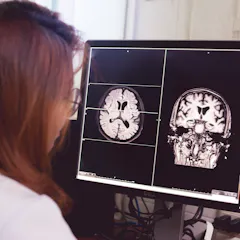
This study shows at least two different mechanisms lead to cognitive decline – both in healthy people and people with Alzheimer’s.

The NHS will trial a new blood test for dementia, which could be widely available in five years.

Our study found that people born with a with a particular fold in their brain develop frontotemporal dementia symptoms on average two and a half years later than others.

Many patients prefer single-gender hospital rooms. For women, this preference often comes from fear, while male patients are concerned with dignity.

A recent study from Sweden found people with a history of chronic stress or depression had a heightened risk of developing Alzheimer’s disease.

Dementia does not manifest solely as a memory problem. People with dementia can also experience issues with learning, comprehension and judgement, but they may also experience changes in behaviour.
Top contributors
-

Professor of Biological Psychology, Loughborough University
-
PhD Candidate, Neuroscience, University of Sheffield
-
Head of Clinical Services, Dementia Support Australia, & Associate Professor of Psychiatry, Monash University
-
Research Fellow in Neuroimmunology, UCL
-
Associate Professor, Turner Institute for Brain and Mental Health, Monash University
-
Professor of Chemistry and Senior Scientist of the Krembil Research Institute, University Health Network, University of Toronto
-
Associate Professor | Deputy Director, The MARCS Institute for Brain, Behaviour and Development, Western Sydney University
-
Lecturer, School of Psychology, UNSW ; Neuroscience Research Australia
-
Senior Research Fellow in the Institute of Population Health & NIHR ARC North West Coast Social Care Theme Lead, University of Liverpool
-
Associate professor, University of Sydney
-
Host, The Conversation Weekly Podcast, The Conversation
-
Professor in Ageing and Health, University of Sydney
-
Affiliate Professor, Department of Family Medicine, McGill University
-
Professor Emeritus of Molecular Neurobiology at the University of Manchester and a Visiting Professorial Fellow, University of Oxford
-
Associate Professor in Cellular Neuroscience, University of Reading