
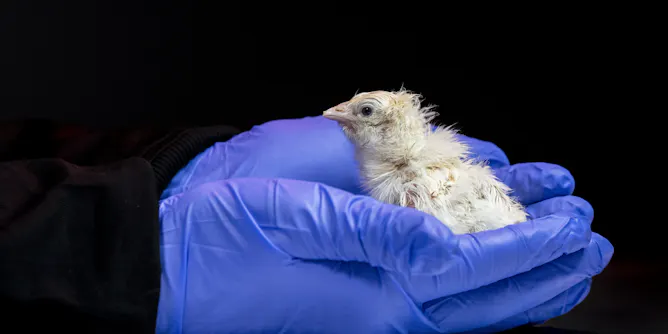
Colossal Biosciences’ artificial egg technology would deliver a useful tool for the conservation of threatened birds, but only if it’s made publicly available.
Articles on De-extinction
Displaying 1 - 20 of 35 articles
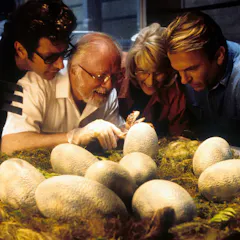
We all know science influences books, movies and TV – but the influence goes both ways.
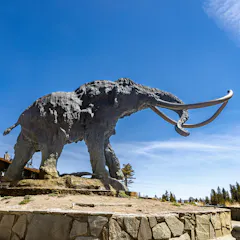
If de-extinction tech can bring back species, are people more comfortable with them going extinct? A new study tests this idea.
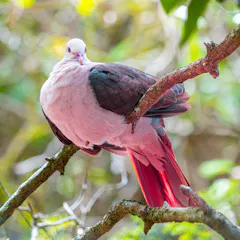
Gene editing could add genetic diversity that can revitalise species on the brink of extinction.

US company Colossal Biosciences claims wide support by Māori for its plans to resurrect the flightless moa, but many iwi are opposed to de-extinction.
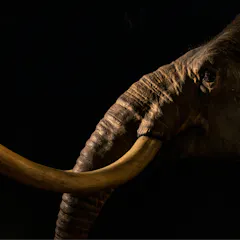
Woolly mammoths have become the poster child for de-extinction. The giant land mammals have long held our intrigue and fascination.
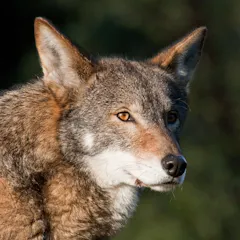
A legal scholar with a Ph.D. in wildlife genetics explains the promise biotechnology techniques hold for some animals that are currently endangered.

Figuring out whether de-extinction is possible is as much a technical puzzle as a philosophical one. Add two kinds of DNA to the mix, and it gets even more complex.
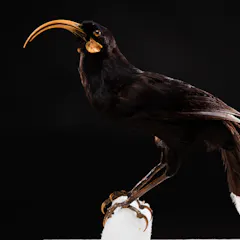
There is nothing to stop de-extinction companies using specimens from museum collections, despite little Māori support for reviving lost native species.
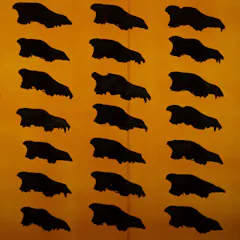
Colossal Biosciences’ claim to have brought back the dire wolf is misleading, and may derail important conservation efforts.

Claims of ‘bringing back’ any species take away focus from proven solutions that can actually fix the extinction crisis.
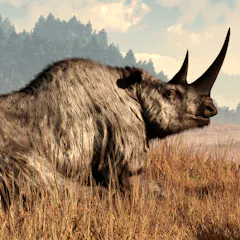
Many huge animals went extinct surprisingly recently. When they died, their ecological role was lost with them.
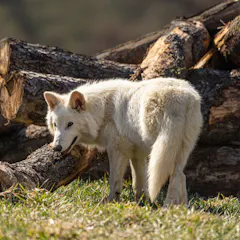
Extinction is, for the time being, forever – and a symptom of our global economic system.
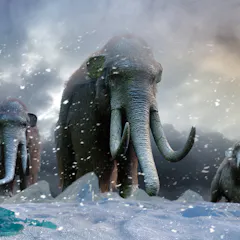
Are new approaches to recreating long-lost animals simply creating imitations?
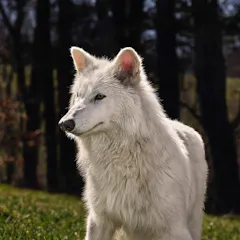
The animals are an imitation, but the technology used to create them could have wide-ranging applications.

“De-extinction” research is a poor alternative to helping ‘pre-extinction’ animals still alive today.
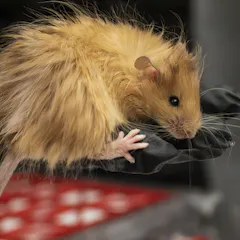
The “woolly mice” have the thick, shaggy hair of mammoths, along with a fat metabolism gene.
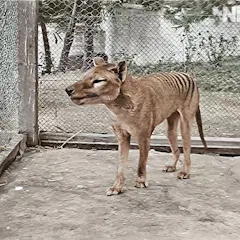
Australia still feels the thylacine’s presence in its landscape, wildlife and culture. A new book explores everything we know about the thylacine and the hope of a return.
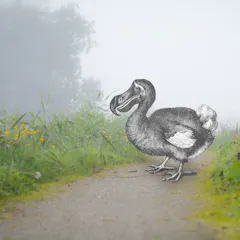
Two conservation scholars break down what de-extinction looks like – and the debate over whether it could do any good.
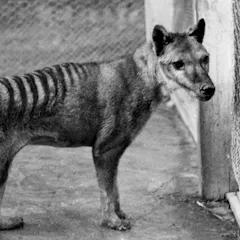
A new biotech partnership could bring the first baby thylacine to life within 10 years. But de-extinction is controversial – should we even be doing this?
Top contributors
-

Lecturer in the School of Applied Sciences, Edinburgh Napier University
-
Matthew Flinders Professor of Global Ecology and Node Leader in the ARC Centre of Excellence for Indigenous and Environmental Histories and Futures, Flinders University
-
Lecturer, University of Cambridge; Anglia Ruskin University
-
Associate Professor in Ancient DNA, University of Otago
-
Lecturer in Bioethics, Monash University; The University of Melbourne
-
Senior Research Associate, University of Oxford
-
Senior Research Scientist and Lecturer, Department of Ecology & Evolutionary Biology, Yale University
-
Professor of Vertebrate Conservation Biology and Director of the Roosevelt Wild Life Station, State University of New York College of Environmental Science and Forestry
-
Postdoctoral Research Fellow, The University of Queensland
-
Course Director, MSc Biodiversity, Conservation and Management, University of Oxford
-
Associate Professor | Director, DNA Zoo Australia, The University of Western Australia
-
Associate Professor in Zoology, University of Tasmania
-
Senior Lecturer in Ecology, Teesside University
-
Ph.D. Student in Biology and Society, Arizona State University
-
Postdoctoral Fellow in Ecology and Evolutionary Biology, University of Connecticut