

A new study has found that Tasmanian tigers had an adaptation found in no living carnivorous mammal.
Articles on Thylacine
Displaying 1 - 20 of 22 articles
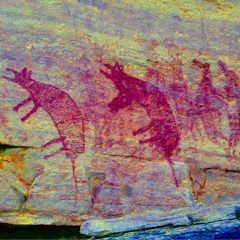
The rock art reveals the Thylacine’s deep significance to Aboriginal peoples.
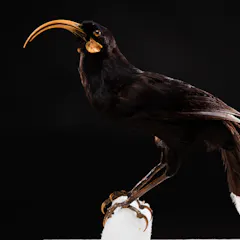
There is nothing to stop de-extinction companies using specimens from museum collections, despite little Māori support for reviving lost native species.
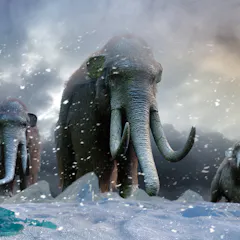
Are new approaches to recreating long-lost animals simply creating imitations?
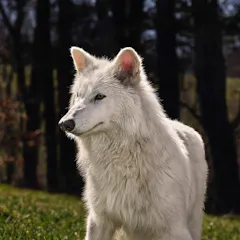
The animals are an imitation, but the technology used to create them could have wide-ranging applications.

“De-extinction” research is a poor alternative to helping ‘pre-extinction’ animals still alive today.
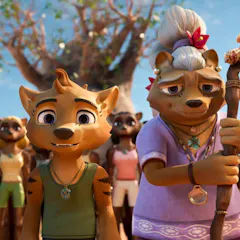
The film covers themes of belonging, identity and the struggle of trying to straddle different cultural worlds.
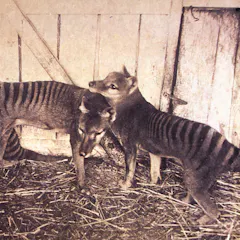
It’s 25 years since The Hunter was published, to international acclaim and some local irritation. The story of a man hunting a thylacine to harvest its genetic material, it is daring and unsettling.
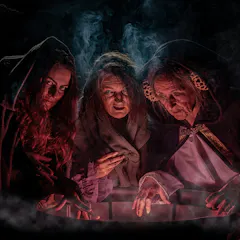
Monsters reveal how societies define and punish deviance. Wintering’s widows make me think about the women I know who are strong and wise in ways neither recognised nor endorsed by the mainstream.

It’s remarkable to see these three innovative, bravely experimental and often unsettling Australian story collections – by a debut author and two prize-winners – published so closely together.
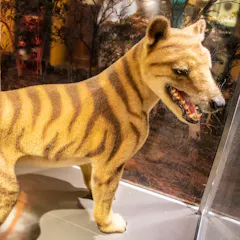
Brain samples of a thylacine that died in 1880 in Berlin were kept safe by researchers for decades. Now, they have finally been analysed.
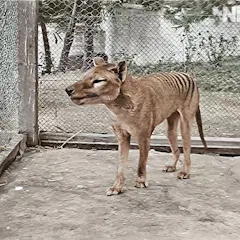
Australia still feels the thylacine’s presence in its landscape, wildlife and culture. A new book explores everything we know about the thylacine and the hope of a return.
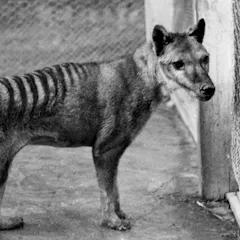
A new biotech partnership could bring the first baby thylacine to life within 10 years. But de-extinction is controversial – should we even be doing this?
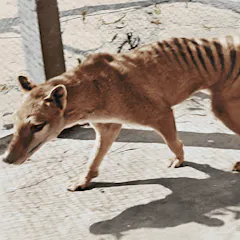
‘De-extinction’ seems like a way to save dying or dead species - but in reality it’s an expensive and impractical waste of time.
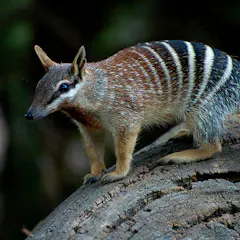
The numbat is one of the Tasmanian tiger’s closest surviving relatives. And its newly sequenced genome raises the possibility of piecing together the genetic code of its extinct fellow marsupial.
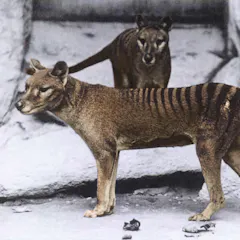
The “Tasmanian tiger” was hunted to extinction based on its perceived size as a predator big enough to take sheep. But it seems this was just a tall tale, and the thylacine weighed just 16.7kg.
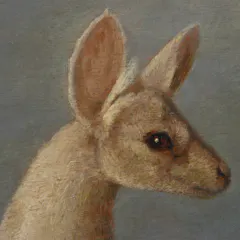
Kangaroos are a national icon, but Australian authors seem determined to kill them off.
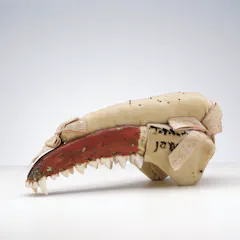
A new book connects disparate objects and texts to tell the story of Tasmania. It is an inspired enterprise.
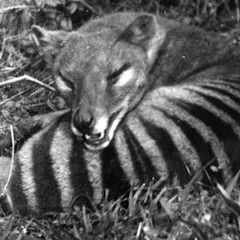
The new Tasmanian tiger genome reveals some fascinating facts about this extinct marsupial, including why they were so similar to dogs, and how they were growing more vulnerable to genetic disease.
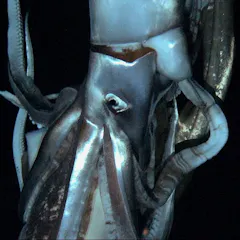
Searching for animals thought to be extinct – or fictional – is difficult, painstaking and often disappointing. But new technology like drones offer hope of a boom in biological discovery.
Top contributors
-

Lecturer, University of Cambridge; Anglia Ruskin University
-
Professor in Wildlife Ecology and Conservation, School of Life & Environmental Sciences, Deakin University
-
Associate Professor | Director, DNA Zoo Australia, The University of Western Australia
-
Matthew Flinders Professor of Global Ecology and Node Leader in the ARC Centre of Excellence for Indigenous and Environmental Histories and Futures, Flinders University
-
Exhibitions
-
Professor, School of BioSciences, The University of Melbourne
-
Lecturer in Bioethics, Monash University; The University of Melbourne
-
Senior Lecturer, Writing, Department of Media and Communication, Swinburne University of Technology
-
Associate Professor, English and Creative Writing, Edith Cowan University
-
Associate Professor in Zoology, University of Tasmania
-
Adjunct Professor in History, University of Tasmania
-
PhD Candidate, Creative Writing, University of Tasmania
-
Senior Lecturer in Illustration and Animation, Adelaide University ; University of Newcastle
-
Research Group Leader & ARC DECRA Fellow, Monash University
-
Associate Professor in Quantitative Genetics, University of Otago