
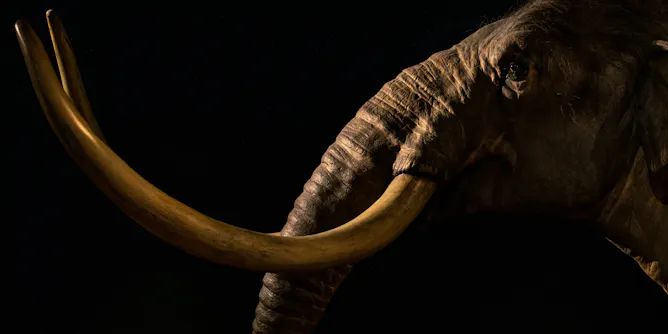
Woolly mammoths have become the poster child for de-extinction. The giant land mammals have long held our intrigue and fascination.
Articles on Woolly mammoth
Displaying 1 - 20 of 31 articles
Are new approaches to recreating long-lost animals simply creating imitations?
The animals are an imitation, but the technology used to create them could have wide-ranging applications.

“De-extinction” research is a poor alternative to helping ‘pre-extinction’ animals still alive today.
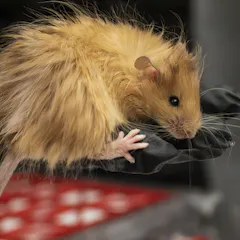
The “woolly mice” have the thick, shaggy hair of mammoths, along with a fat metabolism gene.
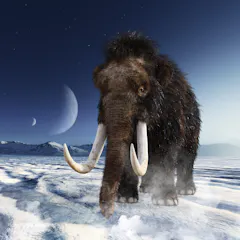
Scientists have long wondered if the wooly mammoth went extinct due to high levels of inbreeding.
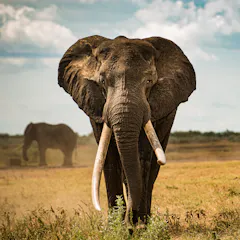
It is difficult to distinguish between elephant and mammoth ivory.
A forensic technique more often used at modern crime scenes identified blood residue from large extinct animals on spearpoints and stone tools used by people who lived in the Carolinas millennia ago.
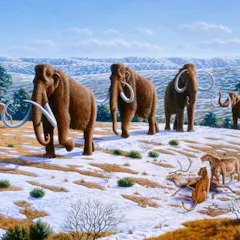
All the evidence points to one thing: humans and woolly mammoths certainly lived side by side. But did humans hunt mammoths too?
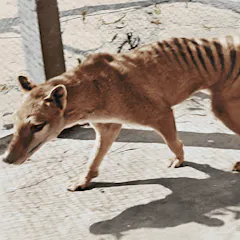
‘De-extinction’ seems like a way to save dying or dead species - but in reality it’s an expensive and impractical waste of time.
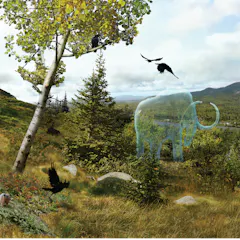
Permafrost in the Yukon is a treasure trove of ancient environmental DNA, but climate change threatens these rich historical archives.
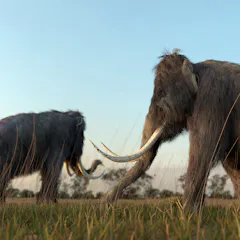
While the prospect of reviving extinct species has long been discussed, advances in genome editing have now brought such dreams close to reality.
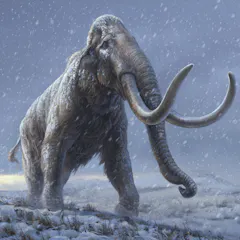
Our results have revolutionised the previously held view of the evolution of mammoths.
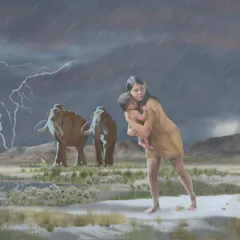
Some 13,000 years ago, an adult carrying in a child walked 1.5km in mud at great speed in the presence of hungry predators.
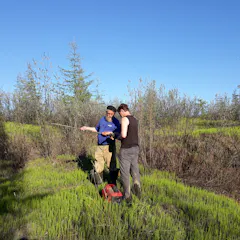
The Zimovs want to restore the prehistoric ‘mammoth steppe’ ecosystem and see if it slows down – or even reverses – melting permafrost.
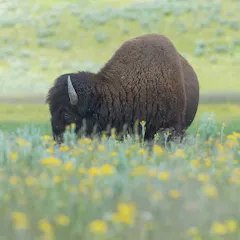
The historical record is full of surprises – and it could encourage conservationists to think more creatively.
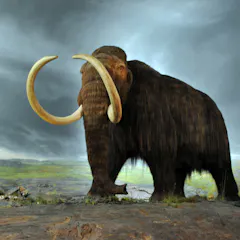
After the woolly mammoth and other megafauna became extinct, surviving animals mingled less. This has big implications for modern conservation.

Scientists have worked out a new way to scan beneath the ground for footprints – and it’s revealing traces of an ancient world.
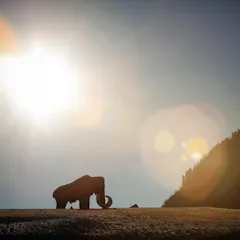
Melting Siberian permafrost is exposing long-dead mammoths, creating a new trade in mammoth ivory.
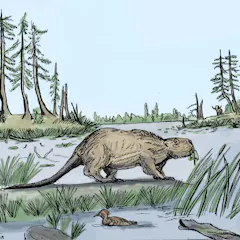
Scientists studied the fossilized bones of giant beavers to understand what they ate and whether the species could keep up with environmental change.
Top contributors
-

Lecturer, University of Cambridge; Anglia Ruskin University
-
Professor of Environmental and Geographical Sciences, Bournemouth University; University of Reading
-
Distinguished Professor, Charles Sturt University
-
Emeritus Professor at the MRC Centre for Regenerative Medicine, University of Edinburgh
-
Chen Su Lan Centennial Professor in Medical Ethics, National University of Singapore; Distinguished Visiting Professor in Law, University of Melbourne; Uehiro Chair in Practical Ethics, The University of Melbourne
-
Senior Lecturer, Geography and Environmental Sciences, Northumbria University, Newcastle
-
PhD candidate, Adelaide University
-
Professor of Molecular Evolution, School of Life and Environmental Sciences, University of Sydney
-
Professor of Conservation and Applied Resource Economics, University of Kent
-
Project Officer – Office of the Queensland Chief Scientist
-
PhD Candidate in Science and Technology Studies, UCL
-
Pro Vice-Chancellor of Research, University of Technology Sydney
-
Professor, University of Alaska Fairbanks
-
Professor of Wildlife Conservation, University of Salford
-
Assistant Professor of Philosophy, Boston University