
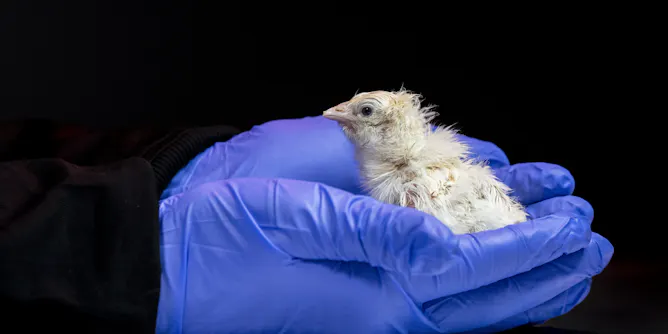
Colossal Biosciences’ artificial egg technology would deliver a useful tool for the conservation of threatened birds, but only if it’s made publicly available.
Articles on Dire wolf
Displaying all articles
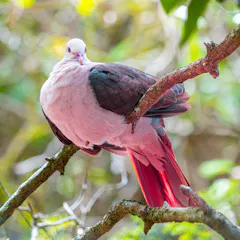
Gene editing could add genetic diversity that can revitalise species on the brink of extinction.

US company Colossal Biosciences claims wide support by Māori for its plans to resurrect the flightless moa, but many iwi are opposed to de-extinction.
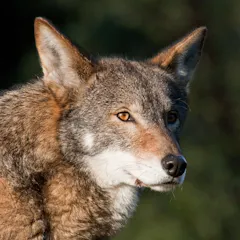
A legal scholar with a Ph.D. in wildlife genetics explains the promise biotechnology techniques hold for some animals that are currently endangered.
Figuring out whether de-extinction is possible is as much a technical puzzle as a philosophical one. Add two kinds of DNA to the mix, and it gets even more complex.
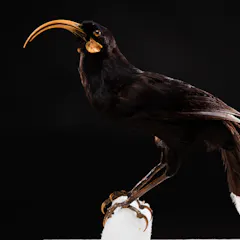
There is nothing to stop de-extinction companies using specimens from museum collections, despite little Māori support for reviving lost native species.
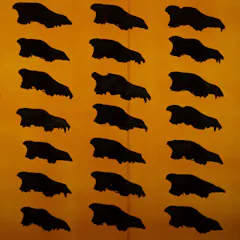
Colossal Biosciences’ claim to have brought back the dire wolf is misleading, and may derail important conservation efforts.
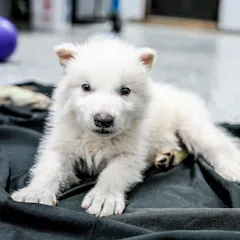
Claims of ‘bringing back’ any species take away focus from proven solutions that can actually fix the extinction crisis.
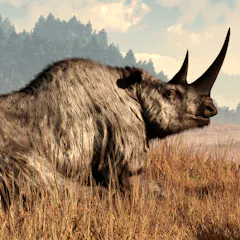
Many huge animals went extinct surprisingly recently. When they died, their ecological role was lost with them.
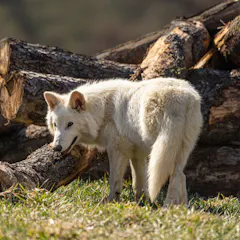
Extinction is, for the time being, forever – and a symptom of our global economic system.
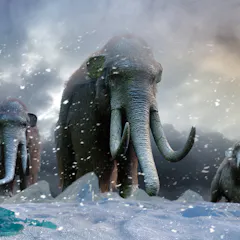
Are new approaches to recreating long-lost animals simply creating imitations?
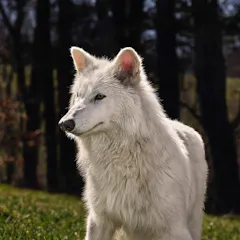
The animals are an imitation, but the technology used to create them could have wide-ranging applications.

Our research shows dire wolves lived in the tropics not the Arctic, and were not especially close relatives of the grey wolf.
Top contributors
-

Associate Professor in Ancient DNA, University of Otago
-
Lecturer, University of Cambridge; Anglia Ruskin University
-
Postdoctoral Fellow, Department of Zoology, University of Otago
-
Research Fellow, Archaeology, Durham University
-
Associate Professor in Biogeography and Biodiversity, University of Oxford
-
Professor of Zoology and Joint Head of Department of Biology, University of Oxford
-
Professor, Biology, Western University
-
MSc student, Biology, Western University
-
Masters Student, Department of Biology, Western University
-
Scientific collaborator, Socio-économie, Environnement et Développement (SEED), Arlon Campus, Université de Liège
-
Associate Professor in Quantitative Genetics, University of Otago
-
Professor of Philosophy, Auburn University
-
Associate Professor of Law, University of Florida
-
Professor, School of Life and Environmental Sciences, University of Sydney
-
Postdoctoral research associate, Museo delle Scienze di Trento (MUSE); University of Florence