
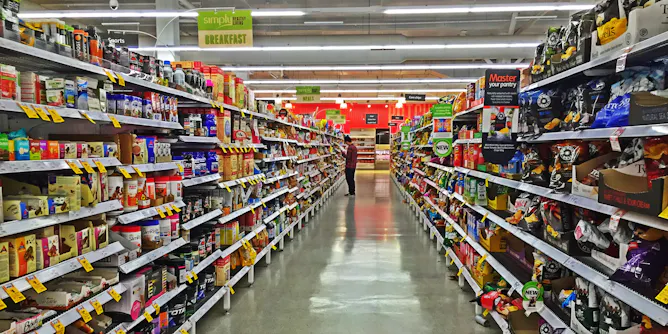
Supermarkets and consumers might gain from more private label brands, but Australian suppliers are likely to lose out.
Articles on Consumers
Displaying 221 - 240 of 321 articles
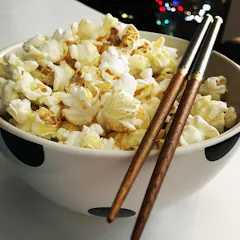
Things and experiences that once seemed so enjoyable usually grow dull over time, something known as hedonic adaptation. Chopsticks offer one way to get some of that pleasure back.
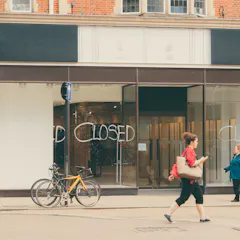
Bricks and mortar stores can play a crucial component in the future of retail.
Australian businesses will not be forced to comply with or fall foul of the new data regulation merely because they maintain websites accessible in the EU.
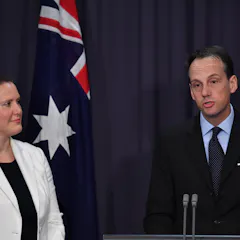
Even when ASIC has been sufficiently resourced to pursue litigation, the Australian courts have contributed to an environment where contravening behaviour is a rewarding option.
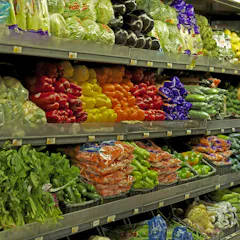
Affluent consumers may have more access to information about food than lower-income earners, but they are just as vulnerable to misinformation and pseudoscience.

In Morocco, bread is not only a symbol for wider demands but also the material basis of affordable and just living conditions.
Manufacturers always have to make trade-offs when they design new cars, balancing the need to protect public health and the environment with their urge to wow customers.

A closer look at the US-China trade relationship shows why Trump’s ‘targeted’ tariffs are likely to hurt American workers and businesses as well.
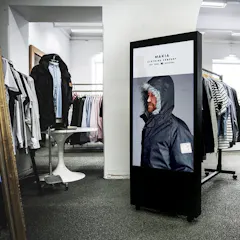
To survive the crisis, fashion companies are relying on new technologies. New players, new customer experience, big data – the whole sector is changing.
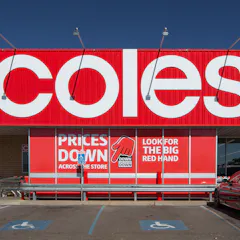
Coles plans to compete with competitors by moving away from low prices to a focus on other attributes, such as sustainability, local produce and community.

Research shows the majority of consumers have low financial knowledge and experience, but they are also prone to behavioural biases that don’t help.

Mick Mulvaney has only been in charge of the Consumer Financial Protection Bureau for two months, but he’s already made many decisions that will leave consumers worse off.

If you communicate carefully, big retailers will listen.
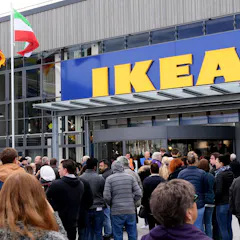
Ingvar Kamprad’s Ikea revolutionised retail by popularising flat-pack furniture and building maze-like stores.

People who see themselves as conscientious consumers often buy items made by companies that violate their values because it’s hard to keep that information in mind.

Why did most fans shun the prequel series, but embrace the recent spate of ‘Star Wars’ films? A recent study offers some clues.

Retailers are banking on some of our behavioural and emotional traits to get us to sign up to subscription boxes.
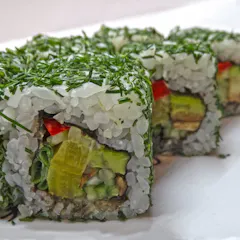
The current trend is to dispense with meat and even any animal products. What does science say about these new diets?
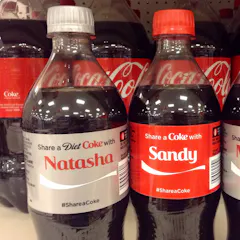
Marketing has moved from a focus on the product itself to the consumer, who they are and finally, how they think.
Top contributors
-

Associate Professor of Business, Boston University
-
Emeritus Professor of Marketing, University of Birmingham
-
Professor of Law, St. John's University
-
Professor of Marketing and Consumer Behaviour, Queensland University of Technology
-
Susman Professor in Sustainability and Professor of Marketing, Penn State
-
Associate Professor of Quantitative Marketing and Analytics, Binghamton University, State University of New York; Indiana University
-
Professor of Clinical Education, St. John's University
-
Director, Master of Business Administration Program (MBA); Co-Director, Better Consumption Lab, Deakin University
-
Professor of Marketing, The Ohio State University
-
Assistant Professor, Faculty of Business, University of New Brunswick
-
Associate Professor of Marketing, Tasmanian School of Business and Economics, University of Tasmania
-
Professor of Clinical Education, St. John's University
-
Professor of Energy and Environmental Economics and International Affairs, Penn State
-
Lecturer in Marketing, Newcastle University
-
Professor of Law, Monash University