
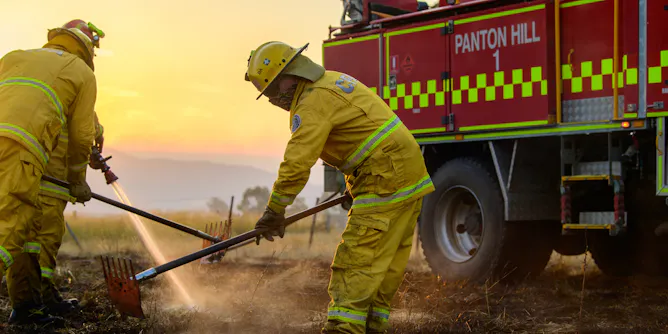
Over the past 12 months, the federal government has approved multiple fossil fuel projects and cut climate science funding.
Articles on Climate risk
Displaying 1 - 20 of 84 articles
While NZ softens disclosure rules for large companies, investors are still factoring climate risk into decisions – with observable effects on capital flows.
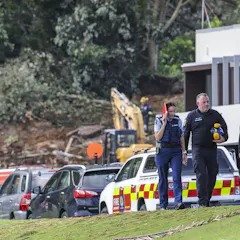
After a series of extreme weather events over the past month, NZ has been reminded that disasters aren’t just acts of nature.
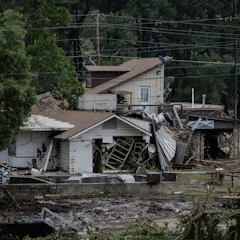
Priced out of ‘safe,’ more and more Americans are moving to flood plains and fire zones.
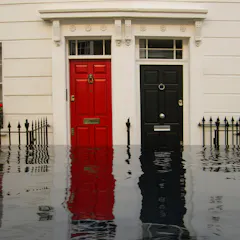
Climate change is undermining insurance markets, especially for the households that need coverage most.

The Net-Zero Banking Alliance, intended to curb lending to carbon-intensive sectors, wasn’t effective and more importantly never made much business sense.
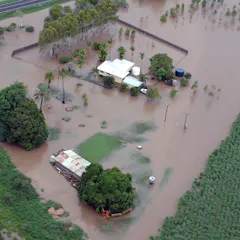
Big plans are afoot to turn Northern Australia into Asia’s “food bowl”. But the reality of climate change can’t be ignored.

There’s more we can do to better protect our homes – including 1.5 million homes already in high or very high risk areas today.

The sobering assessment is a national call to action. The sooner Australia mitigates and adapts, the safer we will be.
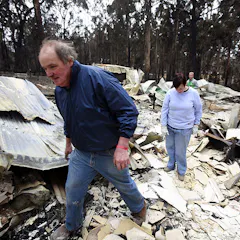
The California approach promises to keep home insurance prices stable, ensure coverage in high-risk areas, and make homes safer as climate change worsens.
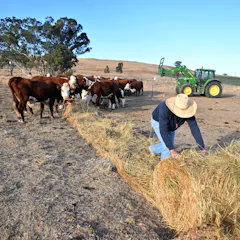
When climate scientists look at the unfolding drought in southern Australia, they see three phases: flash drought, leading to green drought and then fodder drought.
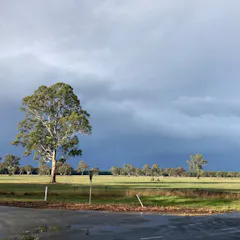
Yes, it’s been raining in southeast Australia – but it’s too little, too late. Now it’s too cold to grow decent pasture. This is called a ‘green drought’.

Collecting the climate-related data will be a headache for most companies. And it will be overwhelming for readers.
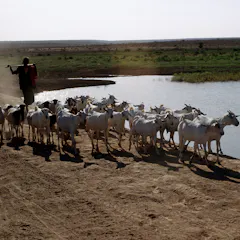
Somalia’s competitiveness in global markets has weakened owing to climate change and conflict.
Progressive adaptation could ensure society is not only better prepared for future shocks, but thrives in the face of uncertainty.
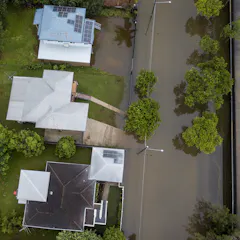
It’s too early to make a full estimate of the costs of Alfred’s impacts. But previous natural disasters give us a framework for thinking about them.
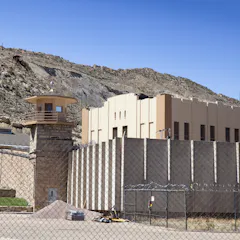
More than 65% of formerly incarcerated people reported experiencing climate-related hazards, according to survey results.
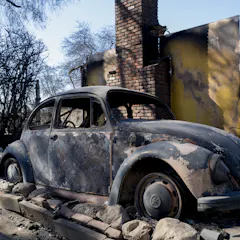
Central bankers agree that climate change poses a threat to the financial system. An insurance crisis is exactly the kind of problem that could spread.
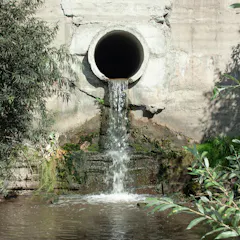
Cities need to find new ways to handle rainwater, especially in the face of climate change. Green infrastructure offers a way to tackle this challenge.
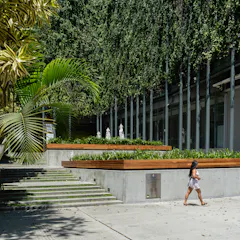
A new form of public-private partnership is reshaping urban landscapes: Community-centered, public-private partnerships, or CP3s.
Top contributors
-

Professor of Earth Sciences, Rutgers University
-
Adjunct Professor (Practice) in the School of Earth, Atmosphere and Environment, Monash University
-
Lecturer and Research Fellow, School of Geography, Planning, and Spatial Sciences. Coordinator, Education for Sustainability Tasmania, University of Tasmania
-
Research Fellow, Public Economics, The Parkland Institute, University of Alberta
-
Associate Professor & Global Challenge Lead, Urban Transformations Research Centre, Western Sydney University; University of British Columbia
-
Professor, School of the Environment, The University of Queensland
-
Professor of Accounting, Durham University
-
Honorary Associate Professor, Australian National University
-
Professor of Economics and Environmental Studies, Wesleyan University
-
Emeritus Professor, Australian National University
-
Director of the Master of Bioethics degree program at the Berman Institute of Bioethics, Johns Hopkins University
-
Honorary Professor, School of Earth and Environmental Science, University of Wollongong
-
Former Postdoctoral Research Associate
-
Professor of Civil and Environmental Engineering, Tufts University
-
Professor in School of Earth, Atmospheric and Life Sciences; and Director of Environmental Futures Research Centre, University of Wollongong