
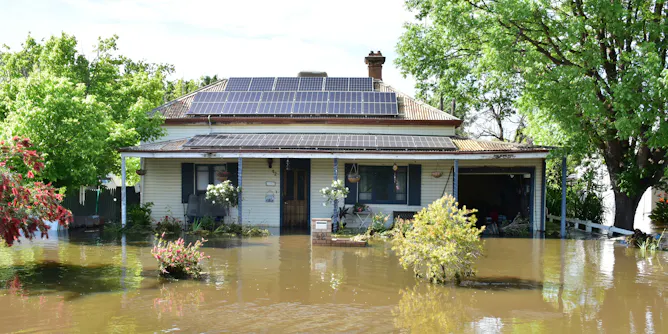
A report into the insurance sector’s response to the 2022 floods outlined a detailed pathway to reform. But these steps alone won’t solve the growing problem posed to Australian households by climate change.
Articles on Climate risk
Displaying 21 - 40 of 84 articles
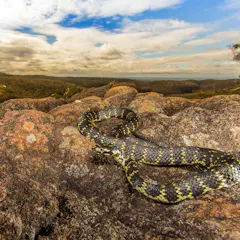
Evidence suggests climate change could make snakes come out of hiding earlier. But it’s also likely to cause population declines or shifts in the long run, as snakes adjust to the new conditions.

Insurance companies will need to be innovative and explore new policy options as they manage the growing risk to homes from climate change and natural disasters.
It’s important to produce complex, precise simulations of our future climate. But equally, we need to make sure businesses can actually understand and use them.
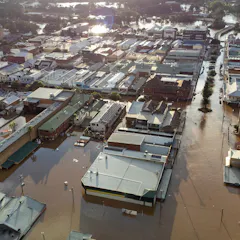
Climate change is making some parts of Australia unliveable or uninsurable. We need a national conversation about the planned relocation. A proposed National Relocation Authority can lead the way.
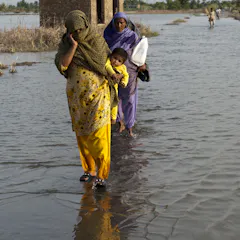
Our expert in disaster recovery and climate change adaptation calls for a longer-term response to conflict zones affected by severe flooding, such as Libya and Pakistan.

Back when there were Arctic alligators and turtles, ‘polar stratospheric clouds’ kept their world warm. Research suggests these clouds contribute to the ‘missing warming’ in climate models.

A recently settled class action lawsuit against the Australian government could help drive greater disclosure of climate financial risk by governments, central banks and companies.

Small island developing states are seeking a legal ‘advisory opinion’ from an international tribunal on whether climate change falls under the international law of the sea.
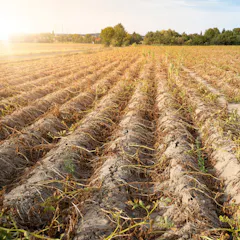
Disturbing news about the potential for widespread crop failure as the climate changes should send shockwaves through governments around the world. Time to rethink global trade and food security.
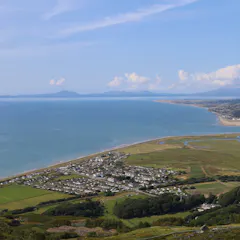
Fairbourne on the west coast of Wales is at risk from both rising sea levels and river flooding.

OSFI’s guidelines are a small step towards making financial decision-makers more conscious of their influence on climate outcomes, but there is still work to be done.
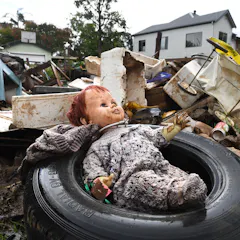
Australia must recognise the complex risks associated with cascading natural disasters, and draw on the knowledge and experience of all citizens.
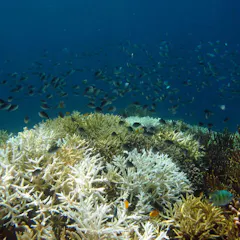
A new biodiversity index captures the climate risk for nearly 25,000 marine species and their ecosystems and lays the groundwork for climate-smart approaches to management and conservation.

Words matter. It’s vital terms like ‘crisis’ and ‘calamity’ don’t become rhetorical devices devoid of real content as we argue about what climate action to take.
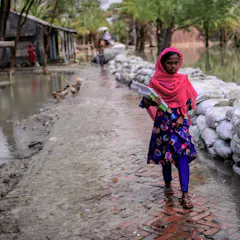
The damage from storms, droughts and sea level rise is in the news almost daily. Some money is flowing to help poor countries, but what isn’t clear is how much impact the funds are having.
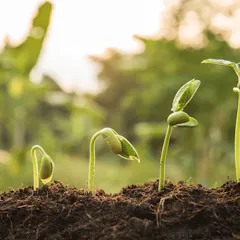
When plants moved from living in water to land, they had to adapt. How that happened can help address food security.
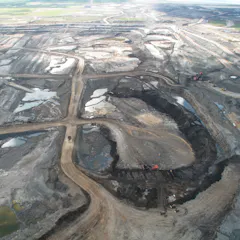
Oilsands producers can expect banks to do extensive reviews of their creditworthiness over the next several months.
Regulators, banks and policy-makers use stress tests to uncover weak points in how financial institutions operate and identify changes that will help buffer them from harm.

Will Don’t Look Up wake people up? Here’s what the research on climate communication says.
Top contributors
-

Professor of Earth Sciences, Rutgers University
-
Adjunct Professor (Practice) in the School of Earth, Atmosphere and Environment, Monash University
-
Lecturer and Research Fellow, School of Geography, Planning, and Spatial Sciences. Coordinator, Education for Sustainability Tasmania, University of Tasmania
-
Research Fellow, Public Economics, The Parkland Institute, University of Alberta
-
Associate Professor & Global Challenge Lead, Urban Transformations Research Centre, Western Sydney University; University of British Columbia
-
Professor, School of the Environment, The University of Queensland
-
Professor of Accounting, Durham University
-
Honorary Associate Professor, Australian National University
-
Professor of Economics and Environmental Studies, Wesleyan University
-
Emeritus Professor, Australian National University
-
Director of the Master of Bioethics degree program at the Berman Institute of Bioethics, Johns Hopkins University
-
Honorary Professor, School of Earth and Environmental Science, University of Wollongong
-
Former Postdoctoral Research Associate
-
Professor of Civil and Environmental Engineering, Tufts University
-
Professor in School of Earth, Atmospheric and Life Sciences; and Director of Environmental Futures Research Centre, University of Wollongong