
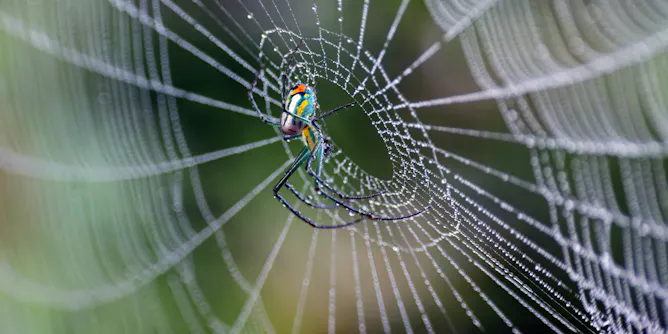
7 distinct types of silk allow different spider species to build webs with various jobs – including to catch prey, tether themselves and protect their eggs.
Articles on Predator-prey interaction
Displaying 1 - 20 of 30 articles
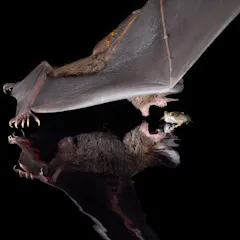
By listening to a frog call, adult bats can tell which prey are palatable and which are poisonous. Young bats must acquire this ability over time.
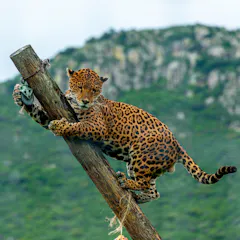
The results could indicate populations of more typical prey in southern Mexico are shrinking.

Understanding how animals think, learn and interact with one another can inform the science of ecology, as predator and prey shape their world.
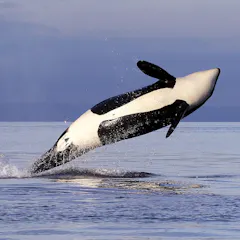
The declining salmon and whale numbers raise a critical question: Is the southern resident killer whale population solely reliant on the abundance of salmon? And, if so, since when?
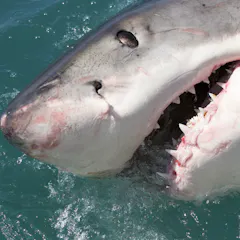
CC BY-NC-ND13.6 MB (download)
A pair of killer whales are hunting and preying on South Africa's great white sharks, forcing the sharks to flee.
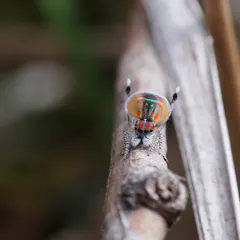
We wanted to understand the ways in which predatory animals eavesdrop on the sexual ‘conversations’ of their prey.

An Indigenous-led effort to increase caribou abundance and cultural practices like hunting is successfully increasing the caribou population
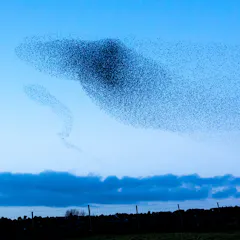
These coordinated movements of a flock of starlings follow no plan or leader. Scientists used to think the animals must communicate via ESP to create these fast-moving blobs.
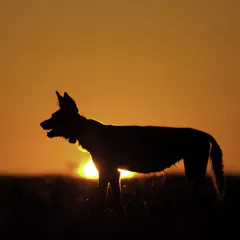
African wild dogs are used to evading hyenas and lions. Genetic research suggests they are using the same strengths to get around human development as well.
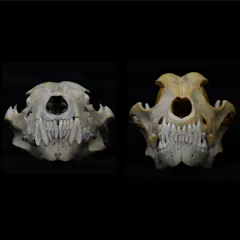
The researchers found tooth shape varied, depending on the types of food a carnivore regularly bites into – in much the same way we choose a kitchen knife depending on what we’re cutting up.
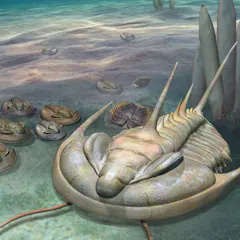
Looking a bit like enlarged woodlice, ancient trilobites crawled along the seabed and had an exoskeleton made of calcite — nature’s version of a suit of armour.

Animals that regularly dine on toxic food may hold clues for designing new drugs to treat persistent pain in humans.

Removing trees killed by fires can have long-term consequences for wildlife.
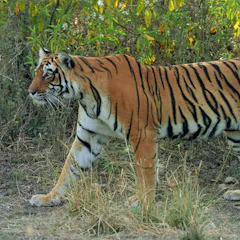
How do tigers – a top predator – successfully hunt their prey when they have bright orange fur? The secret’s in their stripes!

We studied a rocky shore to see how global changes are playing out within habitats.
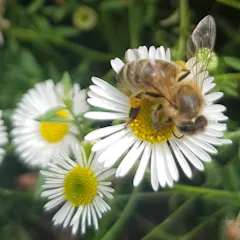
Past research has shown honeybees can add, subtract and even understand ‘zero’. But according to new findings, they can’t tell four flowers from five in natural settings.
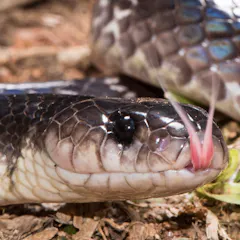
Relax, snakes aren’t out to get you.
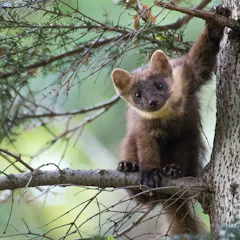
Where pine martens have recovered, red squirrels have tended to benefit while grey squirrels have declined. Scientists weren’t sure why – until now.
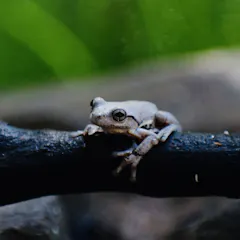
Wildlife can smell and hear a fire coming, and have developed novel ways to evade it. But they must watch out for cunning predators rushing in for a feed.
Top contributors
-

Associate Professor in Computational Ecology, Swansea University
-
Professor in Ecology, Charles Sturt University
-
Postdoctoral Research Fellow in the Department of Zoology, University of Venda, Researcher at IGDORE, and Honorary Research Fellow in the Department of Anthropology, Durham University
-
Associate Professor, School of Life and Environmental Sciences, University of Sydney
-
Research Fellow, School of Biological Sciences, Monash University
-
Research Scientist in Population Ecology at Cornell University and Postdoctoral Reseacher, Queen's University Belfast
-
Professor of Global Change Ecology, Adelaide University
-
Associate professor, Swansea University
-
Associate Professor of Behavioural Ecology, Curtin University
-
Professor, Murdoch University
-
Professor in Wildlife Ecology and Conservation, School of Life & Environmental Sciences, Deakin University
-
Adjunct Research Associate, Monash University
-
Research Scientist, Stanford University
-
Professor of Biology, Clarkson University
-
Assistant Professor of Biological Sciences, Mississippi State University