
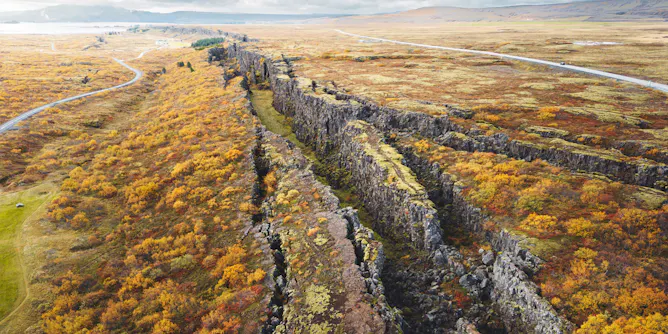
Earth has experienced many icehouse and greenhouse climates. A new study shows how they connect to plate tectonics.
Articles on Carbon sequestration
Displaying 1 - 20 of 84 articles
It could be a sign of what’s to come.
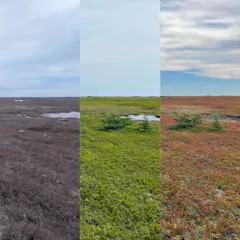
The PeatPic Project used over 3,700 smartphone photographs from 27 peatlands in 10 countries to gather data about how climate change is impacting them.
Reforestation can contribute significantly to tackling climate change, but research found its global potential is only a fraction of what’s been claimed.

Climate change is already reshaping the towering mountain ash forests of southeastern Australia, new research shows.
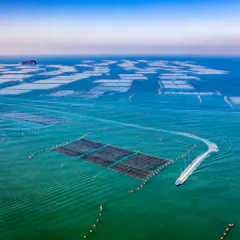
Farming seaweed, changing ocean chemistry, breeding corals and restoring mangroves could help fight climate change – if assessed and managed responsibly.
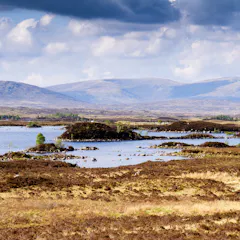
But bad news for peatlands could trigger the funding needed to preserve them.
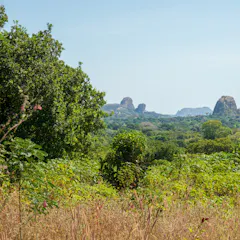
Scientists find miombo woodlands are likely to be storing up to twice the amount of carbon previously thought.
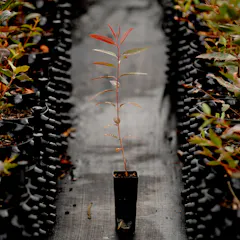
Nature can provide solutions to problems such as biodiversity loss and climate change. But the best nature-based solutions are resilient to disturbance such as fire or drought and future change.

Taking more carbon dioxide out of the atmosphere by stashing it in the ocean seems like a good idea, but it could backfire if tiny marine animals called zooplankton get extra hungry.

There is growing evidence that termites have a substantial, but still poorly understood, role in the carbon cycle.
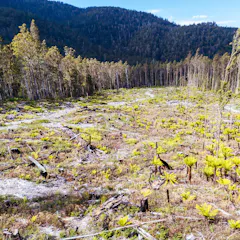
Two states have banned native forest logging, but it’s still happening in the others.
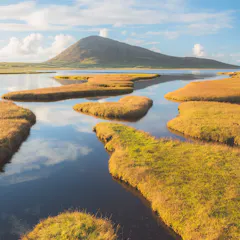
Climate policy has been based on a global average for salt marshes’ ability to capture carbon, but outside the tropics marshes accumulate less carbon.

New research shows carbon in soil minerals is much more important than anybody realised.

Mangrove forests are shrinking due to human activities, yet they’re essential for shoreline protection and carbon sequestration. Ongoing research explores the concept of “floating” mangrove forests.

Large parts of Appalachia’s forests, once owned by coal companies, now make money for investors by storing carbon. But the results bring few jobs or sizable investments for residents.
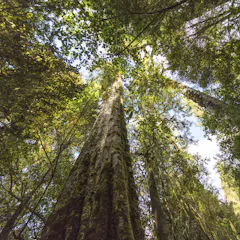
Pine grows faster and sequesters more carbon. But native forest is better for biodiversity in the long run. Transitioning between the two offers a win-win solution.

New Zealand’s new government has vowed to explore ‘blue carbon’ options for removing atmospheric CO₂ to meet net zero goals. But first we need a national strategy for this developing field of science.

How will Earth’s vast boreal forests look in a warmer world? Combining satellite-based research with fieldwork shows that the planet’s largest wilderness may be changing in unexpected ways.
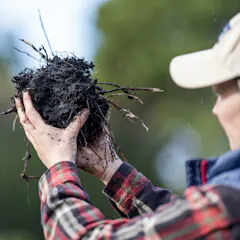
A group of agricultural and soil scientists has serious concerns about the way credits are awarded for soil carbon sequestration in Australia.
Top contributors
-

Professor of Environmental Science, Auckland University of Technology
-
Chief Research Scientist, CSIRO Environment; Executive Director, Global Carbon Project, CSIRO
-
Associate Professor, Monash University
-
Professor, University of New England
-
Senior Research Fellow, School of Geography, Earth and Atmospheric Sciences, The University of Melbourne
-
Adjunct Senior Research Fellow, University of New England
-
Senior Research Fellow in Marine Ecology, University of Otago
-
Professor & Director, Primary Industries Climate Challenges Centre, The University of Melbourne
-
Professor, Department of Soil and Crop Sciences, Colorado State University
-
Professor of Sustainable Agriculture, University of Tasmania
-
Adjunct Professor, University of New England
-
Professor of Global Change, Queensland University of Technology
-
Honorary Senior Fellow, The University of Melbourne
-
Professor Emeritus of International Environmental Policy, Tufts University
-
Scientific advisor, Hawkesbury Institute of the Environment, Western Sydney University