
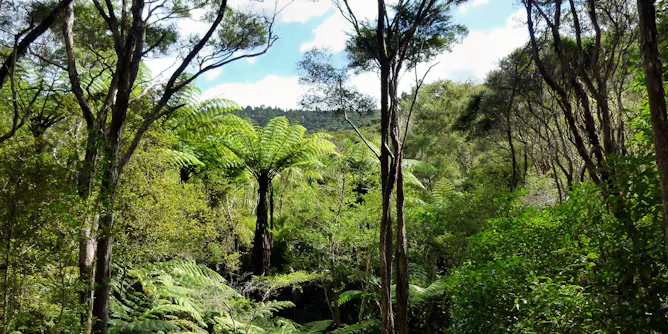
Tree planting projects that use non-native trees risk releasing more carbon back into the atmosphere, undermining efforts to fight climate change.
Articles on Carbon sequestration
Displaying 41 - 60 of 84 articles
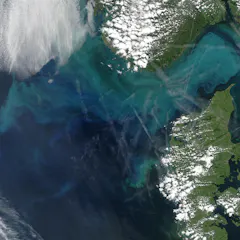
Microscopic ocean phytoplankton feed a “biological pump” that carries carbon from the surface to deep waters. Scientists have found that this process stores much more carbon than previously thought.
Plants take carbon from the atmosphere as they grow, but it goes straight back when they die or are harvested. There is an important difference between carbon fluxes and actual carbon sequestration.
Storing more carbon in soil helps slow climate change and makes croplands more productive. But there are two kinds of soil carbon that are both important, but function very differently.
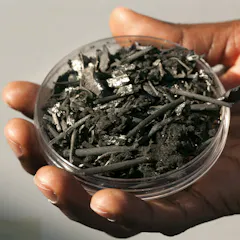
Unused biomass residues from maize, sorghum, rice, millet and groundnut in Uganda show to offer unique opportunities for circular production and soil amendment of biochar.

Planting any tree is more important than planting a particular tree when it comes to removing carbon dioxide from the atmosphere.

All plants take up carbon dioxide when they grow, but when they are harvested or cut down, they release the greenhouse gas back into the atmosphere.
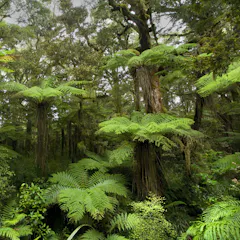
Plants live off carbon dioxide, but a higher level of the greenhouse gas in the air doesn’t necessarily lead to more biomass production.
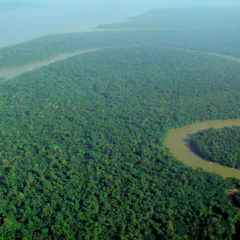
A new report calls land key to solving climate change. The good news is that there are strategies for reducing carbon emissions from land use that can also produce economic and social benefits.
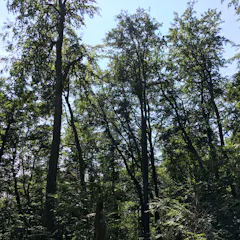
Forget eyecatching headlines about planting millions of new trees – natural mature forests are far better at storing carbon.
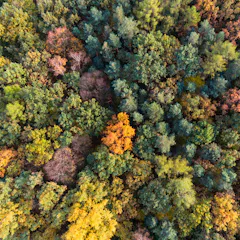
Could our best shot at stopping climate catastrophe be restoring forests on a massive scale?

Protecting forests and wetlands, which absorb and store carbon, is one way to slow climate change. Scientists are proposing similar treatment for marine animals that help store carbon in the oceans.
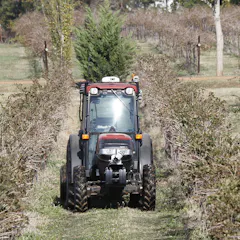
Digital innovations have the potential to empower farmers and revolutionise agriculture, but many could also lock them in to unsustainable methods.
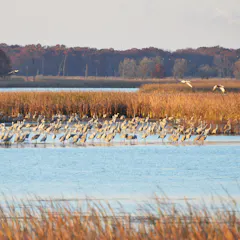
The Trump administration is sharply reducing environmental protection for wetlands and streams across the US. This roundup of stories spotlights the many benefits that such water bodies provide.

Tiny chemical clues in the ocean reveal how its role as a carbon store is changing.
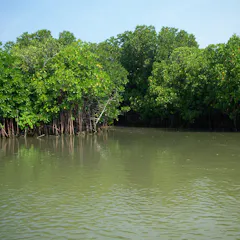
Mangrove forests along the world’s tropical and subtropical coasts store enormous quantities of ‘blue’ carbon – especially in river delta zones, where soil builds up quickly.

One big problem with plastics is that they’re largely made of petroleum. Sourcing bio-polymers from plants and bacteria has some big benefits – and the technology is starting to take off.
Nobel Prizewinning health researcher Peter Doherty reflects on the challenge of delivering a healthy climate for the world. From hydrogen power to wooden skyscrapers, the options are endless, but all require leadership.
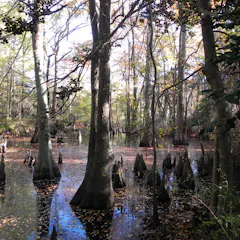
Wetlands are some of the world’s most undervalued weapons against climate change. They store huge quantities of carbon – but without better protection, many could soon be drained or paved over.
Scientists have long thought most nitrogen in Earth’s ecosystems comes from the air, but new research shows it also is released as rocks weather. This could boost plant growth and help sequester carbon – but not fast enough to avert climate change, as some pundits have claimed.
Top contributors
-

Professor of Environmental Science, Auckland University of Technology
-
Chief Research Scientist, CSIRO Environment; Executive Director, Global Carbon Project, CSIRO
-
Associate Professor, Monash University
-
Professor, University of New England
-
Senior Research Fellow, School of Geography, Earth and Atmospheric Sciences, The University of Melbourne
-
Adjunct Senior Research Fellow, University of New England
-
Senior Research Fellow in Marine Ecology, University of Otago
-
Professor & Director, Primary Industries Climate Challenges Centre, The University of Melbourne
-
Professor, Department of Soil and Crop Sciences, Colorado State University
-
Professor of Sustainable Agriculture, University of Tasmania
-
Adjunct Professor, University of New England
-
Professor of Global Change, Queensland University of Technology
-
Honorary Senior Fellow, The University of Melbourne
-
Professor Emeritus of International Environmental Policy, Tufts University
-
Scientific advisor, Hawkesbury Institute of the Environment, Western Sydney University