
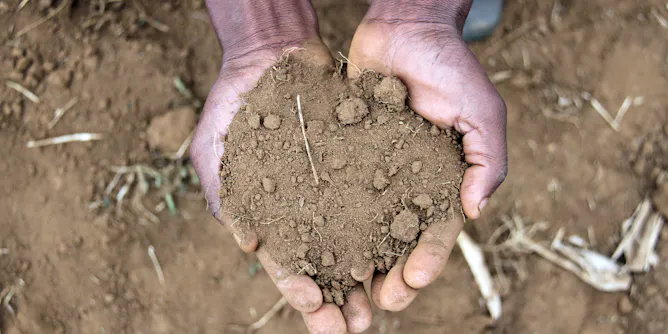
Microbial ecology helps explain how ecosystems respond to environmental pressures.
Articles on Carbon storage
Displaying 1 - 20 of 74 articles
Nature-based solutions like mangrove restoration are key to climate action, but weak monitoring can overstate carbon storage, creating ‘ghost carbon’.
Investment in carbon removal technologies is rising rapidly, but some models overestimate how much carbon is captured because they don’t cover all Earth processes.

Scientists are taking to the seas with new equipment to measure how much carbon the oceans are storing.

Old-growth forests store 78-89% more carbon than managed forests do.
As beavers reshape rivers, wetlands become a natural storage system for carbon.

Climate change is already reshaping the towering mountain ash forests of southeastern Australia, new research shows.
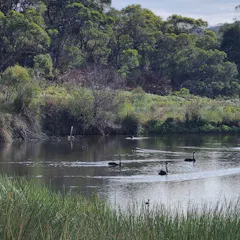
For decades, the Fleurieu Peninsula’s swamps were routinely drained. But as the region battles the driest conditions on record, the remaining swamps are a lifeline
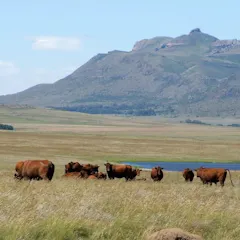
The Grassland Society of Southern Africa has been conducting scientific research for 60 years, adapting to new challenges.

Most of Australia’s plants rely on a hidden underground network of fungi for water and minerals. They could be in trouble – but we don’t have the data to know.
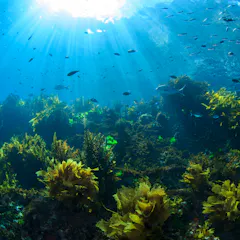
Seagrass meadows, mangroves and kelp forests are carbon sinks. Restoring or protecting them addresses both biodiversity loss and the climate crisis.
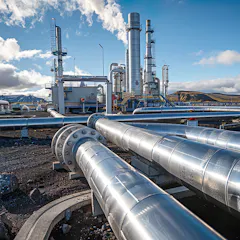
New Zealand’s government will likely model its carbon capture legislation on Australia and the EU, which means operators are responsible for leaks for a time after a carbon disposal site is closed.
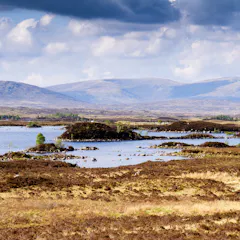
But bad news for peatlands could trigger the funding needed to preserve them.
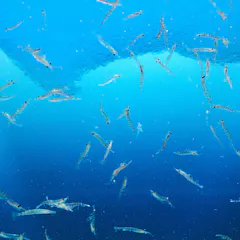
For the first time, we used a computer model of ocean currents to show that krill waste products don’t need to reach great depths to achieve carbon storage for at least 100 years.
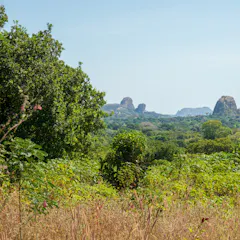
Scientists find miombo woodlands are likely to be storing up to twice the amount of carbon previously thought.
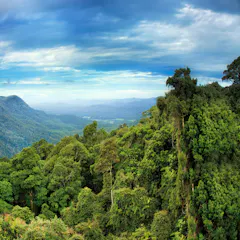
Australia cannot risk any further declines in its biodiversity resulting from harvesting native forests, or actions that bring further risks to its emissions-reduction goal.

Taking more carbon dioxide out of the atmosphere by stashing it in the ocean seems like a good idea, but it could backfire if tiny marine animals called zooplankton get extra hungry.
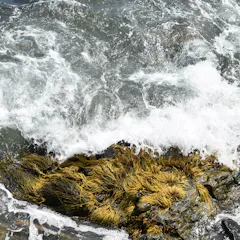
Underwater rivers ferry large volumes of seaweed from shallow seas into the deep, where its carbon is stored naturally
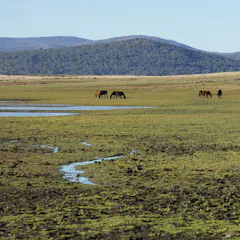
When it comes to storing carbon, alpine peatlands are powerhouses. But feral horse grazing and trampling tips the carbon balance in the other direction. We need to protect and restore our peatlands.
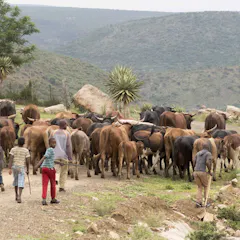
Planting millions of trees in natural grassland is largely ineffective in the battle against global warming because it adds little or no additional carbon storage.
Top contributors
-

Distinguished Professor of Ecology, Fenner School of Environment and Society, Australian National University
-
Senior Research Fellow in Ecology, Griffith University
-
Affiliate Professor, Geography, Planning and Environment, Concordia University
-
Distinguished Professor of Climate Science, Simon Fraser University
-
Professor of Remote Sensing, Department of Geography; and NERC National Centre for Earth Observation, UCL
-
Chief Research Scientist, CSIRO Environment; Executive Director, Global Carbon Project, CSIRO
-
Professor and Climate Scientist, Department of Geography, Planning and Environment, Concordia University
-
Senior Lecturer, Public Sector Management, School of Business, UNSW
-
Professor and Director of Research, ANU Law School, Australian National University
-
Professor, Australian National University
-
Director, Griffith Climate Action Beacon, Griffith University
-
Research scientist, Australian National University
-
Associate Professor of Biology, Villanova University
-
University of Sydney
-
Research Fellow, University of Tasmania