
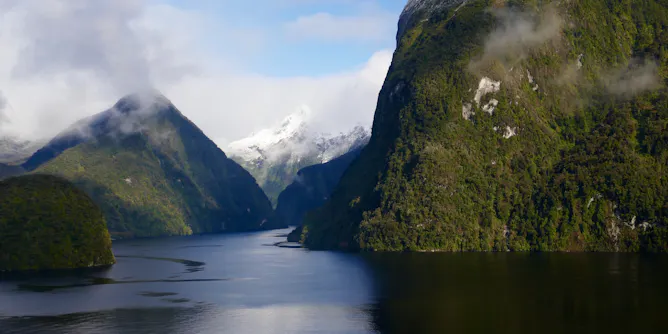
Marine sediments are the world’s largest store of carbon, and fiords in particular are a massive sink. But New Zealand doesn’t even have an oceans policy to develop blue carbon climate policy.
Articles on Carbon sequestration
Displaying 21 - 40 of 84 articles
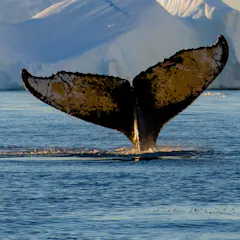
We want good news on climate change. But whales storing enough carbon needs more evidence.

New research shows that northern peatlands may not help regulate our climate by the end of the century.

Seaweed is in the spotlight for so many reasons. It all sounds too good to be true. So can this wonder weed live up to expectations and fulfill its promise to save us from ourselves?

The US Supreme Court opens its 2022-2023 term with a case that could greatly reduce federal protection for wetlands. Here is what makes these ecosystems valuable.
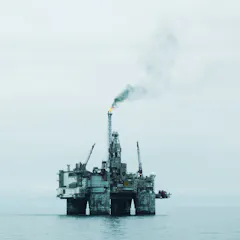
Force oil and gas companies to dispose of a tonne of CO₂ for every one they emit.
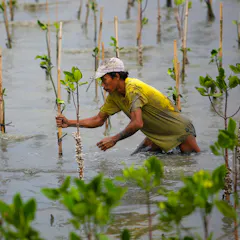
‘Blue carbon’ habitats can store a lot of carbon – but not reliably enough to offset emissions.

There is a growing interest in planting small trees in urban areas. However, large trees have significant advantages.
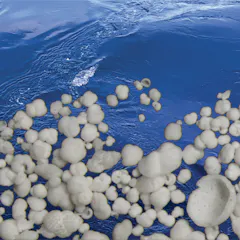
Tiny seashells draw carbon to the ocean floor when they die. This is the most significant geological process of carbon storage today, and it might increase in a warmer world, as it did in the past.

Removing carbon from the atmosphere is as much a social problem as a technical one.

While the outcome of the 2021 federal election offered little in the way of change, it may have left Canada better positioned to make progress on reducing greenhouse gas emissions.
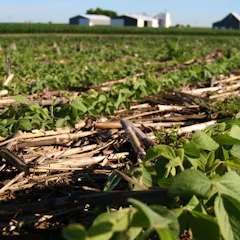
Policymakers want to pay farmers for storing carbon in soil, but there are no uniform rules yet for measuring, reporting or verifying the results. Four scholars offer some ground rules.
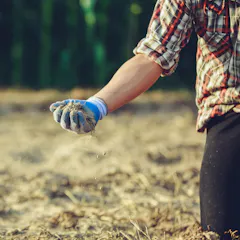
If problems in such schemes are not addressed, the credibility of soil carbon trading will be undermined. Ultimately the climate - and the planet - will be the loser.

Rather than considering the job done, Tasmania should seize opportunities including renewable energy, net-zero industrial exports and forest preservation.
New UK-wide trials aim to discover the best ways to suck carbon from the air.
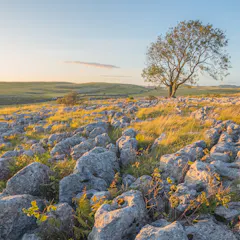
Scientists need to know how much we can rely on the land to offset our emissions.
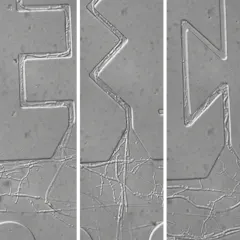
Using tiny ‘soil chips’, researchers have observed the forgaging strategies of fungi at a microscopic scale for the first time.
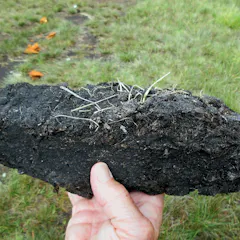
Peat beds around the world hold huge quantities of carbon and keep it from warming the planet. But rising temperatures and over-use could turn them from a brake on climate change into an accelerant.
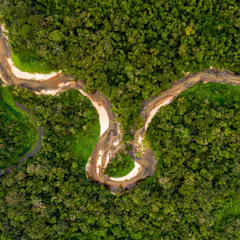
As the world’s largest rainforest, the Amazon is not only an important carbon sink, but also home to thousands of species of plants and animals and a crucial part of the water cycle.
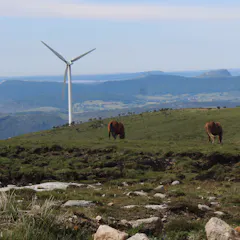
We discovered wind farms in Spain that had carved up peat bogs, causing them to release carbon to the atmosphere.
Top contributors
-

Professor of Environmental Science, Auckland University of Technology
-
Chief Research Scientist, CSIRO Environment; Executive Director, Global Carbon Project, CSIRO
-
Associate Professor, Monash University
-
Professor, University of New England
-
Senior Research Fellow, School of Geography, Earth and Atmospheric Sciences, The University of Melbourne
-
Adjunct Senior Research Fellow, University of New England
-
Senior Research Fellow in Marine Ecology, University of Otago
-
Professor & Director, Primary Industries Climate Challenges Centre, The University of Melbourne
-
Professor, Department of Soil and Crop Sciences, Colorado State University
-
Professor of Sustainable Agriculture, University of Tasmania
-
Adjunct Professor, University of New England
-
Professor of Global Change, Queensland University of Technology
-
Honorary Senior Fellow, The University of Melbourne
-
Professor Emeritus of International Environmental Policy, Tufts University
-
Scientific advisor, Hawkesbury Institute of the Environment, Western Sydney University