
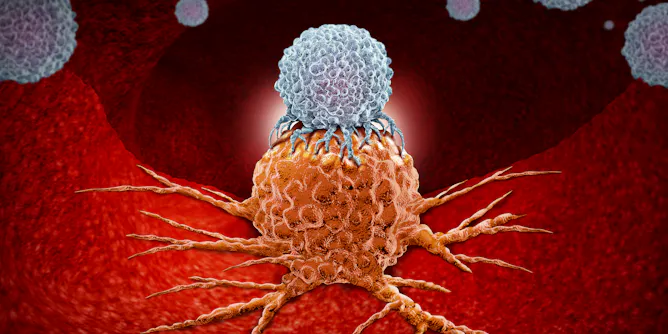
This new type of immunotherapy shows promise for treating different cancers including prostate cancer, leukaemia and lung cancer.
Articles on Cancer
Displaying 61 - 80 of 1114 articles
Weight-loss injections like Ozempic may help cancer patients with brain tumours live longer. But experts urge caution before drawing firm conclusions.
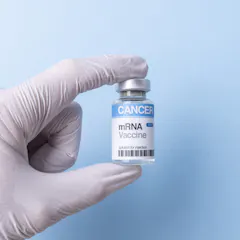
False claims that COVID-19 mRNA vaccines cause cancer could, ironically, lead to worse cancer outcomes by undermining a promising tool to prevent and treat it.
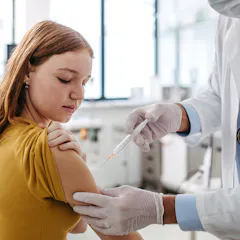
A long-term study following girls and young women for nearly two decades shows the HPV vaccine provides strong and lasting protection against cervical cancer.
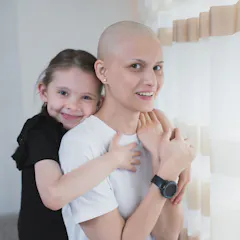
Cancer death rates in the UK have hit a record low, but the picture is more complicated than the headline figure suggests.
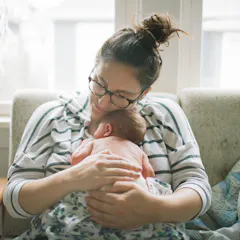
A new study looked at cancer rates in 417,984 women who’d had fertility treatment and compared them to cancer in the general population of women.

The possibility of AI automating healthcare work has provoked intense debates, but despite the pace of innovation, here’s why it’s not there yet.
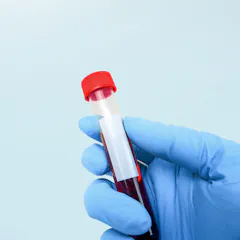
Multi-cancer blood tests promise early detection, but the evidence is thin, the risks real, and they’re no substitute for listening to your body.

A new study isolated DNA from the tumours of 500 cats across 13 different tumour types and mapped the sequence of 1,000 genes often found mutated in human cancers.

Modern screening can create patients out of people who never needed treatment in the first place.

New research reveals that the adverse environmental and health impacts of atmospheric dust in the world’s rapidly growing megacities deserve far more attention.

If you used talc as a child, or still use it now, here’s what the science says about the link with cancer. It might not be what you think.
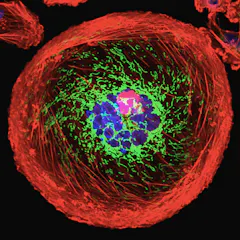
Your body has trillions of cells. But a gene mutation in just one of them could prove fatal.
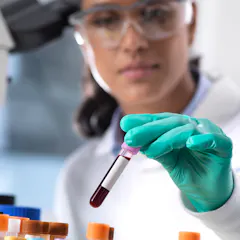
Blood tests are helpful for monitoring your overall health. But research suggests they can also give us clues about the development of some cancers.

Only 50% of Colorado homes have been tested for radon.

Some medical conditions involve cartilage tissue loss, which is why skin grafting is vital. Lab-grown cartilage could be the way forward for human tissue repair and reducing animal testing.

Colon cancer symptoms can be subtle. While lifestyle changes can help reduce your risk, open communication with your family and doctor is essential.

A new mouse study suggests some cancers release signals that help the brain clear Alzheimer’s-linked proteins, offering clues to a long-standing medical mystery.

Researchers are studying liposomes to understand and block the spread of metastases, paving the way for new cancer treatments.

Dementia today occupies the same stigmatized, system-neglected space that cancer did half a century ago. And history shows us that stigma, not simply the absence of cures, delays progress.
Top contributors
-

Professor of Biomedical Sciences, Anglia Ruskin University
-
Adjunct Professsor, School of Psychology, Faculty of Health and Medical Sciences, Adelaide University
-
Professor of Pharmaceutical Chemistry, Macquarie University
-
Senior Research Officer, Blood Cells and Blood Cancer Division, WEHI (Walter and Eliza Hall Institute of Medical Research)
-
Senior Research Officer, Blood Cells and Blood Cancer, WEHI (Walter and Eliza Hall Institute of Medical Research)
-
Professor, Department of Biomedical and Life Sciences, Lancaster University
-
Senior Lecturer in Cancer Biology & Clinical Biochemistry, Kingston University
-
Senior Lecturer in Genetics and Molecular Biology, Kingston University
-
Adjunct Professor, School of Psychology, Curtin University and College of Health and Medicine, Australian National University
-
Professor, School of Medicine, University of Connecticut
-
Associate professor, University of Sydney
-
Laureate Professor in Nutrition and Dietetics, University of Newcastle
-
Graduate Student in Cancer Systems Biology, Rice University
-
Professor of Clinical Epidemiology, Sydney School of Public Health, University of Sydney
-
Professor of Sociology & Director, Sydney Centre for Healthy Societies, University of Sydney