

Almost 4,000 Australians are diagnosed with head and neck cancer each year. Oral cancer is one type.
Articles on Cancer
Displaying 381 - 400 of 1114 articles

Olivia Newton-John made a significant contribution to cancer care, cancer survivorship and the ideal of treating the whole person, not just their disease.
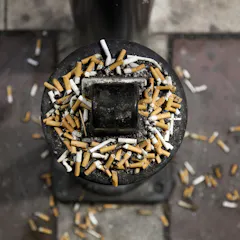
The proposed standard would lower the nicotine content in cigarettes and cigars by 95% – a public health proposal that could prevent millions from becoming smokers in the first place.
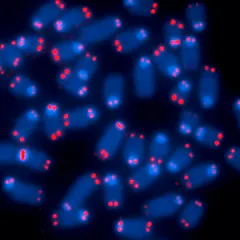
The protective caps at the ends of chromosomes naturally shorten over time. Researchers found that direct damage can prematurely trigger senescence and contribute to age-related diseases like cancer.

Despite the popular belief that vitamin E and beta carotene supplements help prevent heart disease and cancer, the latest research suggests they do not – but the supplements do have potential risks.
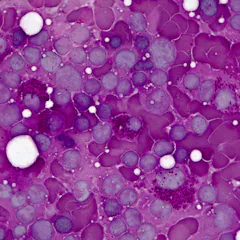
Patients with blood cancer undergoing stem cell transplantation have a high risk of complications. The bacteria in their gut, however, can help their immune system recover and fight infections.

Artificial stone, which is used mainly for kitchen benchtops, is a potent source of silica dust, which can scar the lung and cause lung cancer. Banning artificial stone could save lives.

Many approved drugs work on the body in ways that researchers still aren’t entirely clear about. Seeing this as an opportunity instead of a flaw may lead to better treatments for complex conditions.
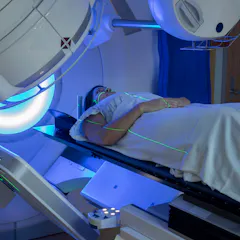
Social factors influence how likely we are to suffer from many types of disease, including cancer.
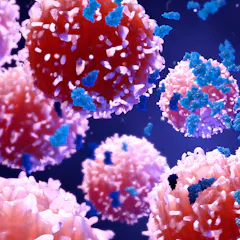
Faulty cellular waste management machinery can lead to cancer and neurodegenerative diseases, but researchers are also targeting this machinery to treat these diseases.
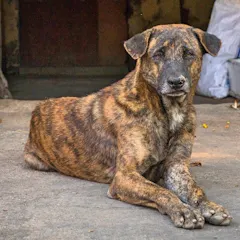
It is the oldest and most prolific cancer known in nature.

Emerging evidence shows the COVID pandemic has seen fewer people receiving routine medical care across many areas. Here’s what we know about the impact that’s having – and could have down the track.
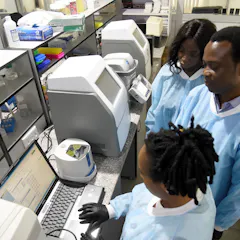
Molecular research is expensive, but worth it because of the burden of disease that it could relieve.
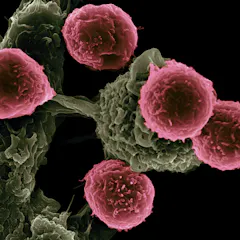
One promising cancer treatment has been in the works for decades, but severe side effects have kept it out of the clinic. A reengineered version may offer a way to safely harness its potent effects.
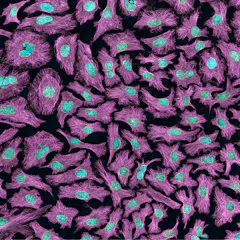
The immortal cancer cells of Henrietta Lacks revolutionized the fields of science, medicine and bioethics. And they still survive today, more than 70 years after her death.
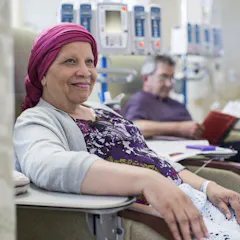
Belonging to one or more groups with long-standing social and economic disadvantages increases the risk of cancer diagnoses and death.
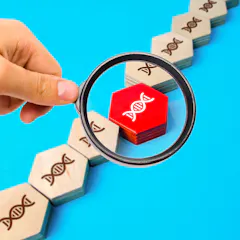
Tumors contain thousands of genetic changes, but only a few are actually cancer-causing. A quicker way to identify these driver mutations could lead to more targeted cancer treatments.
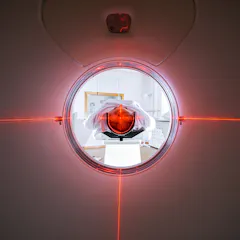
Globally, most cancer patients die not because they don’t have access to newer drugs, but because they don’t have access to even basic treatments. Cancer groundshot aims to improve treatment access.
Cell cultures have shown promise in representing diseases. The Petri dish is not as different from a sick person as one might think.

There are currently no effective tests to screen for ovarian cancer. But that doesn’t mean there aren’t ways to recognize and prevent it.
Top contributors
-

Professor of Biomedical Sciences, Anglia Ruskin University
-
Adjunct Professsor, School of Psychology, Faculty of Health and Medical Sciences, Adelaide University
-
Professor of Pharmaceutical Chemistry, Macquarie University
-
Senior Research Officer, Blood Cells and Blood Cancer Division, WEHI (Walter and Eliza Hall Institute of Medical Research)
-
Senior Research Officer, Blood Cells and Blood Cancer, WEHI (Walter and Eliza Hall Institute of Medical Research)
-
Professor, Department of Biomedical and Life Sciences, Lancaster University
-
Senior Lecturer in Cancer Biology & Clinical Biochemistry, Kingston University
-
Senior Lecturer in Genetics and Molecular Biology, Kingston University
-
Adjunct Professor, School of Psychology, Curtin University and College of Health and Medicine, Australian National University
-
Professor, School of Medicine, University of Connecticut
-
Associate professor, University of Sydney
-
Laureate Professor in Nutrition and Dietetics, University of Newcastle
-
Graduate Student in Cancer Systems Biology, Rice University
-
Professor of Clinical Epidemiology, Sydney School of Public Health, University of Sydney
-
Professor of Sociology & Director, Sydney Centre for Healthy Societies, University of Sydney