
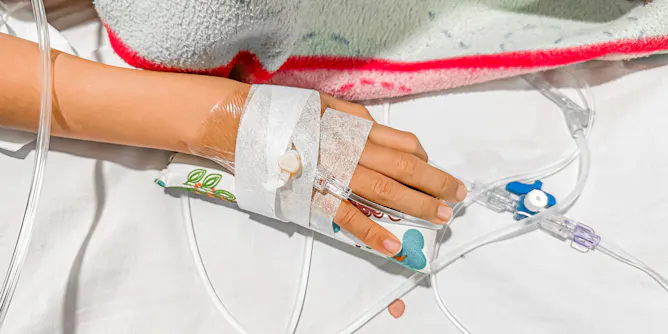
A breakthrough therapy is driving aggressive leukaemia into remission. Here’s what the headlines don’t tell you about life after treatment.
Articles on Cancer
Displaying 81 - 100 of 1114 articles
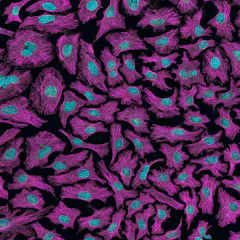
If a doctor tells you have a tumour, what does that actually mean? Do you have cancer? Let’s clear up any confusion.
Cancer is a universal challenge that hits those with the fewest resources hardest – and nearly half of global cancer deaths are linked to preventable risks.
Gifts that make a true connection acknowledge the ugly parts of illness and provide relief from daily burdens.
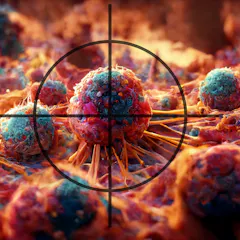
Histotripsy uses focused sound waves to destroy tumours safely while sparing healthy tissue.
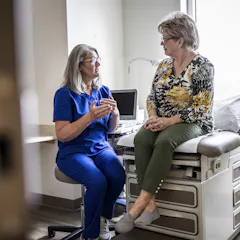
People in rural areas often have to travel long distances for treatment and spend weeks or months away from home, family and work.

No increased risk was found for another UV-related skin cancer, squamous cell carcinoma.

Early trial results for a multi-cancer blood test have sparked excitement, but the technology still fails to detect three in every five cases.

Cancer patients are helping shape research that reflects real lives. This is Patient and Public Involvement – and it’s helping to improve research.
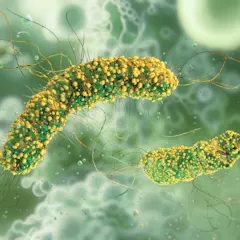
Bacteria are being used to target tumours, enhance chemotherapy and deliver cancer drugs. Here’s where the science is up to.
Can a mood chemical influence tumour growth?

Those silver strands could be an outward sign of the body’s own intricate defences against cancer, a recent study in mice has shown.
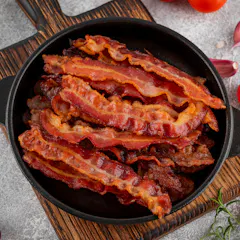
Scientists are urging clearer labelling on processed meats such as ham and bacon, and safer production methods to protect consumers from preventable cancer risks.
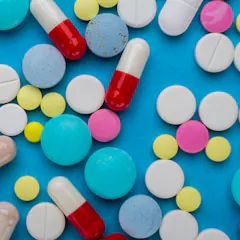
Scientists are discovering that old malaria drugs and other existing medicines might help prevent cancer from returning.
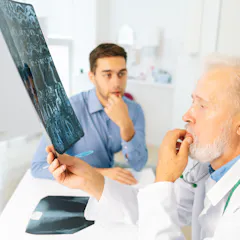
Lifestyle plays a bigger part in cancer risk than genetics.
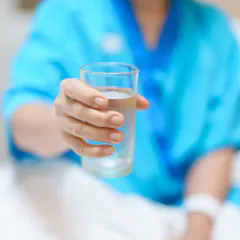
A 21-day water fast won’t ‘starve’ cancer or cleanse your body. Here’s why science says it’s not only a myth, but potentially dangerous

A low-cost LED-powered therapy that uses nanoscopic tin oxide flakes to kill cancer cells could make cancer treatment safer, more precise and more accessible.

The researchers found that mRNA-based COVID-19 vaccines could potentially help patients whose tumors don’t respond well to traditional immunotherapy.
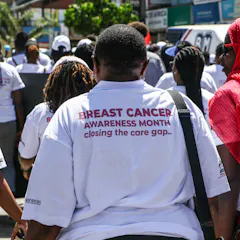
The confirmed presence of substandard or falsified anticancer medicines in sub-Saharan Africa will complicate cancer care.
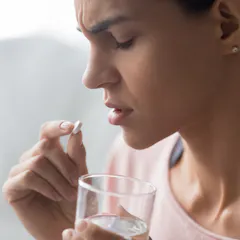
A supermarket painkiller could change how we think about inflammation and disease.
Top contributors
-

Professor of Biomedical Sciences, Anglia Ruskin University
-
Adjunct Professsor, School of Psychology, Faculty of Health and Medical Sciences, Adelaide University
-
Professor of Pharmaceutical Chemistry, Macquarie University
-
Senior Research Officer, Blood Cells and Blood Cancer Division, WEHI (Walter and Eliza Hall Institute of Medical Research)
-
Senior Research Officer, Blood Cells and Blood Cancer, WEHI (Walter and Eliza Hall Institute of Medical Research)
-
Professor, Department of Biomedical and Life Sciences, Lancaster University
-
Senior Lecturer in Cancer Biology & Clinical Biochemistry, Kingston University
-
Senior Lecturer in Genetics and Molecular Biology, Kingston University
-
Adjunct Professor, School of Psychology, Curtin University and College of Health and Medicine, Australian National University
-
Professor, School of Medicine, University of Connecticut
-
Associate professor, University of Sydney
-
Laureate Professor in Nutrition and Dietetics, University of Newcastle
-
Graduate Student in Cancer Systems Biology, Rice University
-
Professor of Clinical Epidemiology, Sydney School of Public Health, University of Sydney
-
Professor of Sociology & Director, Sydney Centre for Healthy Societies, University of Sydney