
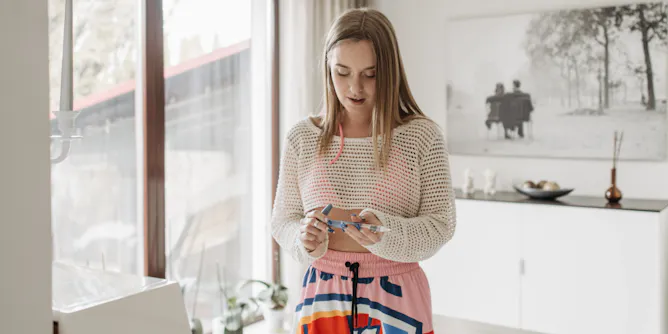
Ozempic-style drugs have been flagged as possible treatments for cancer, dementia, endo, addiction and more. An expert explains what the evidence really says.
Articles on Cancer
Displaying 41 - 60 of 1114 articles
The American Cancer Society updated its colorectal cancer screening guidelines to reflect advances in technology and increase access to screening.

Seeking a second opinion is a patient’s right. Knowing how empowering another perspective can be may make it less awkward to ask for one.
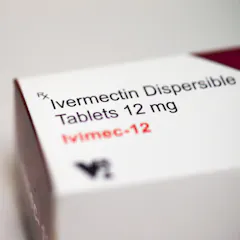
Actor Mel Gibson claims that two deworming drugs taken together can cure people of stage 4 cancer.

The move reshapes how future assessments of chemical dangers will be carried out, and if they’ll be ignored, delayed or understated to benefit industry.

B12 is vital for red blood cells, nerves and DNA, but unexplained high levels may point to an underlying health problem.
Doctors have to balance finite resources and uncertain evidence to decide who should get treatments. The decisions are not always based on need or clinical benefits.

From Nobel laureate Linus Pauling’s dismissed vitamin C crusade to modern trials, a once-ridiculed idea in cancer research is getting a cautious second look.

Breast, bowel, kidney, pancreatic and ovarian cancer were among the types of cancer found to be increasing in people aged 25 to 49.

But for men tested before their mid-60s, risk of overdiagnosis from PSA testing is low.
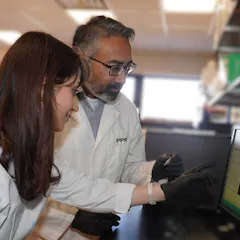
Researchers have developed the EXOSense technology to capture tiny particles, called extracellular vesicles, from biofluids using a gentle electrical force.

Women are highly aware of alcohol’s immediate effects, but, in a culture that promotes drinking as self-care, dangers down the track aren’t front of mind.

Researchers are anxiously awaiting government action on rescheduling cannabis.

A large new study finds unmarried adults face significantly higher cancer rates, but the real story is about what marriage represents, not what it does.

AI is reshaping biomedical research and drug discovery and delivery. But challenges still exist.
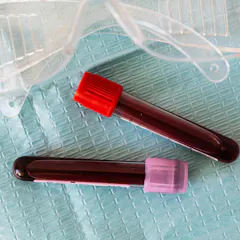
CAR-T cell therapies advance the treatment of cancer, but they are expensive and can take weeks to process. Academic development could cut costs and time while making them more accessible.
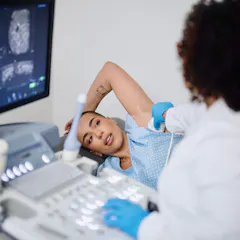
Ultrasound is often used in breast cancer screening, but it can often provide inconclusive results. Combining it with near-infrared light can help patients avoid the anxiety and cost of a biopsy.

Whether a young person has public or private insurance – or is uninsured or underinsured – significantly influences their risk of death across many cancer types.

The evidence shows nicotine-based vapes are likely to cause oral and lung cancer. We just don’t yet know how many cases it will cause.

One dog, one vaccine, one data point. The story of Rosie is fascinating – but it is not yet evidence that AI can beat cancer.
Top contributors
-

Professor of Biomedical Sciences, Anglia Ruskin University
-
Adjunct Professsor, School of Psychology, Faculty of Health and Medical Sciences, Adelaide University
-
Professor of Pharmaceutical Chemistry, Macquarie University
-
Senior Research Officer, Blood Cells and Blood Cancer Division, WEHI (Walter and Eliza Hall Institute of Medical Research)
-
Senior Research Officer, Blood Cells and Blood Cancer, WEHI (Walter and Eliza Hall Institute of Medical Research)
-
Professor, Department of Biomedical and Life Sciences, Lancaster University
-
Senior Lecturer in Cancer Biology & Clinical Biochemistry, Kingston University
-
Senior Lecturer in Genetics and Molecular Biology, Kingston University
-
Adjunct Professor, School of Psychology, Curtin University and College of Health and Medicine, Australian National University
-
Professor, School of Medicine, University of Connecticut
-
Associate professor, University of Sydney
-
Laureate Professor in Nutrition and Dietetics, University of Newcastle
-
Graduate Student in Cancer Systems Biology, Rice University
-
Professor of Clinical Epidemiology, Sydney School of Public Health, University of Sydney
-
Professor of Sociology & Director, Sydney Centre for Healthy Societies, University of Sydney