
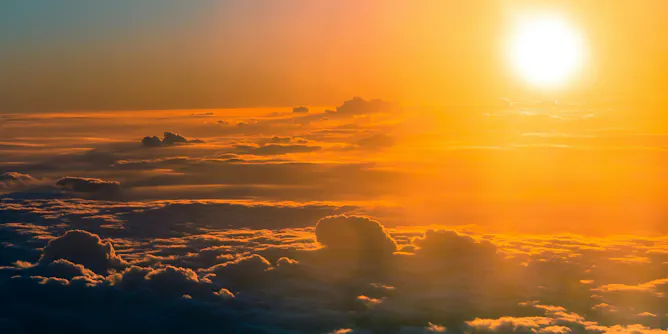
Fast-flowing jetstream air currents have shifted further southwards, dragging rain-bearing weather away from Australia.
Articles on Bushfires
Displaying 21 - 40 of 586 articles
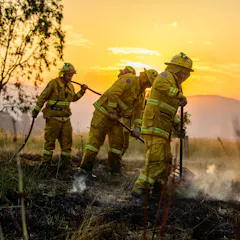
People who work in emergency services, such as firefighters, are more likely than others to develop symptoms of anxiety, depression and post-traumatic stress.
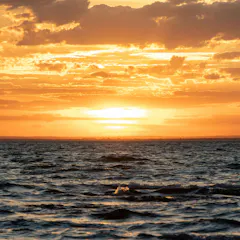
Australia’s northwest is well known for its heat. But this furnace-like area can deliver heatwaves to the southeast, thousands of kilometres away.
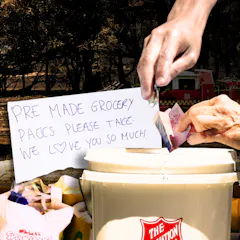
After a disaster, getting help from people who are distant and unaffected is crucial. This is how charities can encourage generosity through connection.
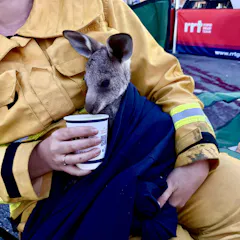
The Victorian fires burned though diverse environments across the state. Native animals suffered through heat and smoke, including thousands of dead flying foxes.
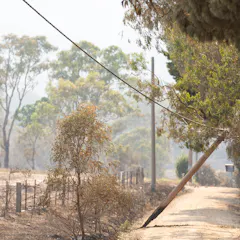
We need reliable communications during climate emergencies like bushfires and floods. But changes have left regional communities exposed.
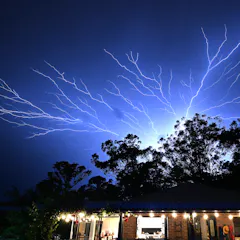
Lightning also influences our environment in ways scientists are only beginning to understand.

Bushfires disproportionately expose disadvantaged communities, and a one‑size‑fits‑all recovery can deepen those inequalities.
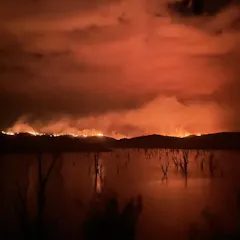
We’re not going to be able to stop climate instability and associated dangerous wildfire weather, so we need to adapt.
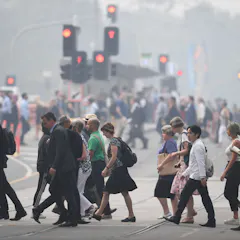
Should I use my aircon? Do I need an air purifier? Can indoor plants help? And which masks actually work for smoke?
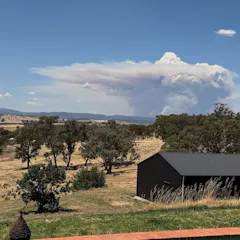
Intense fires can produce storms that make more fire – and they’re becoming more common.
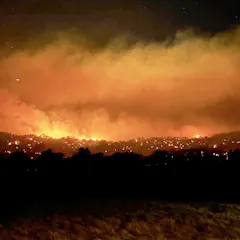
For residents in southeastern Australia this week, understanding fire safety warnings are essential to stay safe.
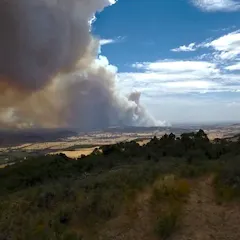
Tracking the Victorian bushfires in Longwood and Mount Lawson.

We know that heatwaves often trigger bushfires. But predicting when and where large fires will break out is getting more difficult with a warming climate.

Fire obviously isn’t a liquid or a solid. In fact, it’s not matter at all – it’s a process.

Christmas holidays are peak time for bushfires. Here’s how you can understand the predicted fire conditions, develop a fire plan and have a safe break.
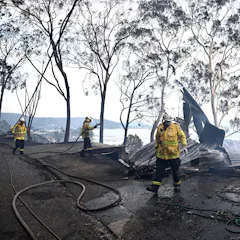
Dozens of fires burning across New South Wales and Tasmania over the weekend claimed dozens of houses and the life of a firefighter. This is why they were so bad.
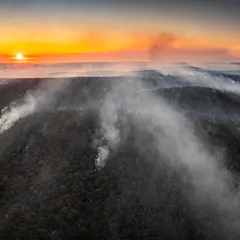
After devastating fires in 1939, authorities began burning forests to reduce fuel load. But we now know this creates conditions for even worse fires.

As Australia faces longer, more erratic fire seasons, tools like this may prove essential for staying one step ahead of the flames.
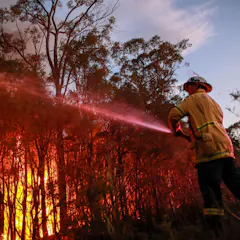
It’s clear – climate change is supercharging the world’s wildfires in unpredictable and devastating ways.
Top contributors
-

Professor of Pyrogeography and Fire Science, University of Tasmania
-
Distinguished Professor of Ecology, Fenner School of Environment and Society, Australian National University
-
Professorial Fellow, University of Canberra
-
Professor in Ecology, Charles Sturt University
-
Associate Professor, Hawkesbury Institute for the Environment, Western Sydney University
-
Research Fellow in Environmental Science, University of Tasmania
-
Emeritus professor, University of Wollongong
-
Adjunct Professor (Practice) in the School of Earth, Atmosphere and Environment, Monash University
-
Deputy Director, Engagement and Impact, The ARC Centre of Excellence for the Weather of the 21st Century, Australian National University
-
Deputy Head of School, School of Architecture and Built Environment, University of Newcastle
-
Associate Professor, School of Architecture and Built Environment, University of Newcastle
-
Adjunct Senior Lecturer, School of Architecture and Built Environment, University of Newcastle
-
Professor, School of Life Sciences, University of Technology Sydney
-
Professor in Wildlife Ecology and Conservation, School of Life & Environmental Sciences, Deakin University
-
Professor, Water and Landscape Dynamics, Fenner School of Environment & Society, Australian National University