
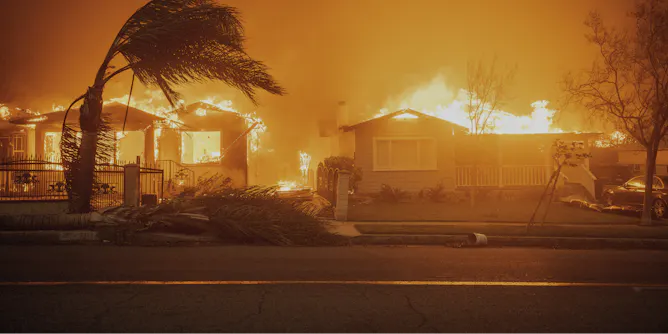
We knew this would happen eventually. We have moved from possible futures to these things now happening. The deferment has ended.
Articles on Bushfires
Displaying 61 - 80 of 586 articles
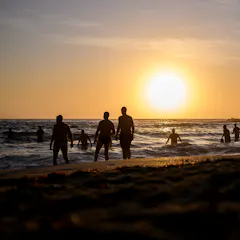
Increasing temperatures puts a strain on electricity supplies, while bushfire smoke can limit the electricity produced by solar panels. So, what can we do about it?
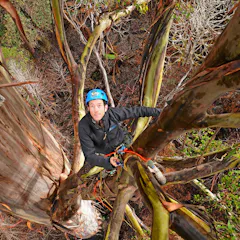
In 2019, the giant mountain ash Centurion narrowly escaped death by fire. But other giant trees were not so lucky. Gathering genetic material from giants is vital
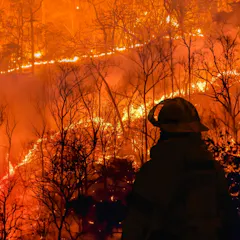
Emergency, public health and climate action plans rarely mention deliberately lit fires and how to prevent them. And there are few services for offenders to stop them lighting fires again.
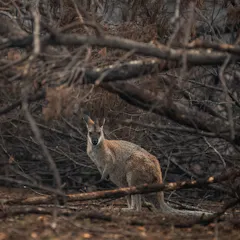
Frequent fuel-reduction burning appears to prime ecosystems for major disruption when the next wildfire hits.

Indigenous land management in southeastern Australia halved forest shrub cover 6,000 years ago, reducing high-intensity bushfires
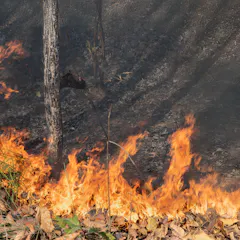
Cultural burning has enjoyed a strong resurgence in recent years. Now this cool burn technique is being used to ward off disastrous bushfires
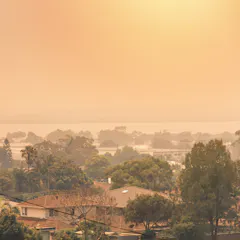
New international research reveals climate change increased the proportion of wildfire smoke-related human deaths tenfold between the 1960s and 2010s. Here’s what that means for Australia.
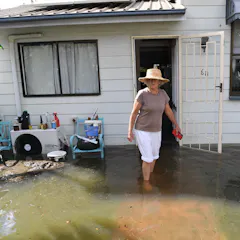
Low-income households are attracted to more affordable housing in areas at higher risk of floods and other extreme events. But many then find they cannot afford soaring insurance premiums.
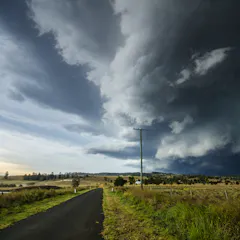
This week, unusually widespread thunderstorms are expected to bring rain, hail and intense winds to swathes of southern Australia. Here’s why – and what threat they can pose.
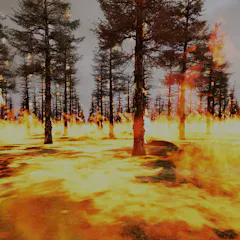
iFire allows firefighters and emergency responders to virtually teleport into a burning landscape and train for the real thing.
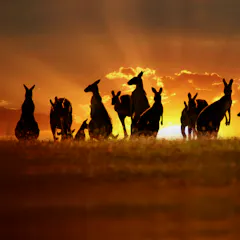
A report on the future impact of climate change has found more than 150 Australian tourism sites are at risk, but it probably underestimates the potential damage.

We must make protected areas more effective, to conserve what’s left of Earth’s plants and animals.
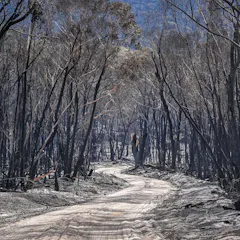
Seeds buried in the soil tell of fire in the landscape. I sampled soil from 57 sites that experienced different patterns of fire. Over 15 months, I watched 39,701 plants grow to learn their secrets.
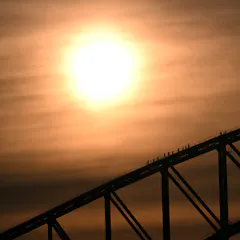
Earth’s climate has become dangerously unstable, and it’s only a matter of time before somewhere in Australia erupts in uncontrollable fire.
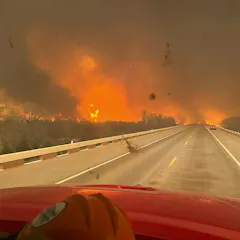
An analysis of 88 million wildfire observations over the past 21 years shows a strong increase in the frequency and intensity of the most extreme fires around the world.
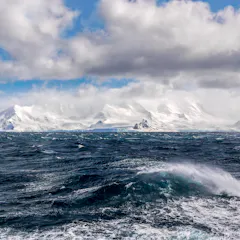
Howling winds take sea salt from the Southern Ocean and lay it down in Antarctica as snow, then ice. Hidden in these ice cores is a warning about Australian fire seasons.

There’s a strong case to be made for private landholders to conduct their own cool burns, for dual purposes of reducing fuel load and restoring the ecology.

Are wombats the accidental heroes of the Australian bush? After the Black Summer bushfires, we set up 56 cameras to capture animal activity in areas with and without wombat burrows to find out.
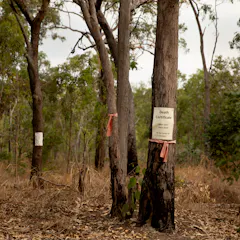
Building ecological grief literacy in workplaces can help environmental professionals manage constant exposure to the many causes of their grieving.
Top contributors
-

Professor of Pyrogeography and Fire Science, University of Tasmania
-
Distinguished Professor of Ecology, Fenner School of Environment and Society, Australian National University
-
Professorial Fellow, University of Canberra
-
Professor in Ecology, Charles Sturt University
-
Associate Professor, Hawkesbury Institute for the Environment, Western Sydney University
-
Research Fellow in Environmental Science, University of Tasmania
-
Emeritus professor, University of Wollongong
-
Adjunct Professor (Practice) in the School of Earth, Atmosphere and Environment, Monash University
-
Deputy Director, Engagement and Impact, The ARC Centre of Excellence for the Weather of the 21st Century, Australian National University
-
Deputy Head of School, School of Architecture and Built Environment, University of Newcastle
-
Associate Professor, School of Architecture and Built Environment, University of Newcastle
-
Adjunct Senior Lecturer, School of Architecture and Built Environment, University of Newcastle
-
Professor, School of Life Sciences, University of Technology Sydney
-
Professor in Wildlife Ecology and Conservation, School of Life & Environmental Sciences, Deakin University
-
Professor, Water and Landscape Dynamics, Fenner School of Environment & Society, Australian National University