
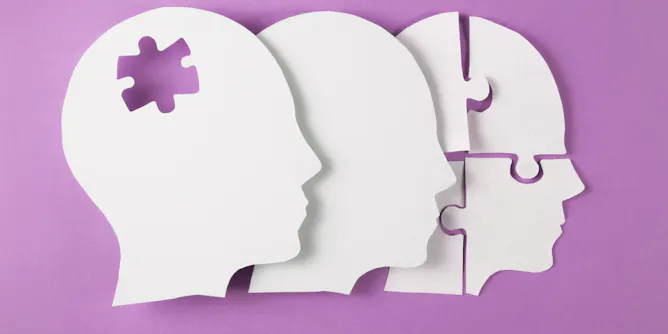
Millions of people suffer from debilitating symptoms their doctors don’t quite believe. But advances in neuroscience and education may be changing the tides for treatment.
Articles on Brain
Displaying 21 - 40 of 731 articles
Alcohol abstinence alters brain activity in ways that may drive someone with alcohol use disorder to relapse.

From pidgins to Tolkien and Esperanto, humans have created entirely new languages for many different reasons.

Think your dog can tell when you’re angry rather than sad? New research inside dogs’ brains suggests the answer might be more complicated than you think.
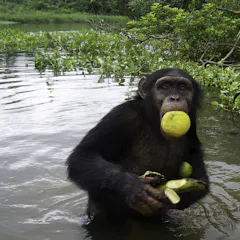
Intelligence is an energetically expensive luxury. And a new study in Science shows meat has never been the main fuel source for our ancestors.

Working with and living in spatially complex environments may help delay cognitive decline, though more research is needed.
As cases surged in 2024 in Brazil, reports also emerged of deaths and babies born with microcephaly and other congenital malformations linked to Oropouche virus infection.

Tracking thousands of people from birth to their 80s shows that long-term financial stress may quietly reshape the ageing brain.
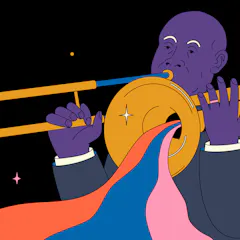
Playing improv music activates the reward system of the brain.

Surviving in the wild is no small feat for animals, especially ones like Jimothy, with rare conditions And yet he persevered to viral celebration, thanks to an adaptable brain and a caring mother.

Why a pile of unread books is not stressful, yet a pile of unread emails is.

Mild cognitive decline doesn’t necessarily mean you’ll develop dementia. But it’s a common fear.

The fog new parents feel is real. But is it just sleep deprivation or is more going on?
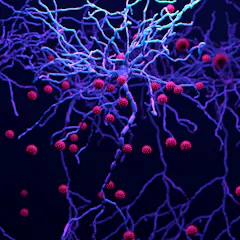
Immune cells can carry HIV into the brain, leading to problems with memory and cognition. Blocking other immune cells from the brain can make matters worse.

Some mornings it can feel like we’ve had a busy night of dreaming.
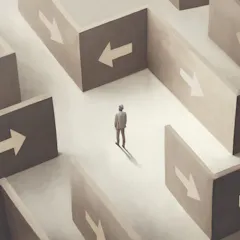
Habit helps take the mental load off figuring out how to get somewhere. But relying on the familiar can make it harder to adapt to changes to your route and to find better ones.

An expert in traumatic brain injuries explains why you need to protect your noggin.
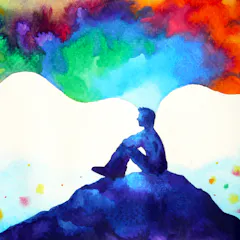
There is a deeper side to the brain which weaves your memories, goals, beliefs and emotions into a continuous sense of self.

‘Typoglycemia’ is often shared online as a quirky insight into how our brains work. But this viral claim is only part of the story.

If the slightest sound wakes you, you might wish you slept more deeply. But several factors shape how much shut-eye you get.
Top contributors
-

Professor of Clinical Neuropsychology, University of Cambridge
-
Postdoctoral Research Associate, Cognitive Neuroscience, University of Cambridge
-
Senior Research Fellow, The Perron Institute for Neurological and Translational Science, and Faculty of Health Sciences, Curtin University
-
Professor of Science and Technology for Brain-Inspired Intelligence/ Computer Science, Fudan University
-
Professor of Music Psychology, Durham University
-
Postdoctoral Researcher in Cognitive Neurosciences, The University of Queensland
-
Lead, Cognition and Consciousness Imaging Group, Division of Anaesthesia, University of Cambridge
-
Penn State
-
Senior Lecturer (Adjunct), Nutritional neuroscientist, Adelaide University
-
Professor of Anatomy, Lancaster University
-
Professor of Chemistry and Senior Scientist of the Krembil Research Institute, University Health Network, University of Toronto
-
Researcher, The University of Melbourne
-
Postdoctoral Researcher in Neuroscience, University of Sussex
-
Professor of Behavioral Neuroscience, University of Richmond
-
Professeur agrégé de neurosciences computationnelles et neurophysiologie, L’Université d’Ottawa/University of Ottawa