
Understanding where and how memories are formed could lead to more ways to treat conditions like PTSD and addiction.
Articles on Brain
Displaying 281 - 300 of 731 articles
Understanding how brain folding works could help researchers better diagnose and treat neurodevelopmental disorders.

The brain uses visual information and vibrations to substitute the missing sense of hearing.
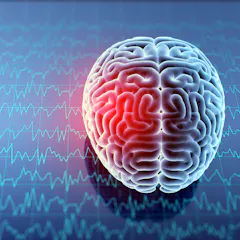
The molecule C1q has both protective and detrimental effects after traumatic brain injury. Blocking it after injury in mice restored normal brain rhythms during sleep and prevented epileptic spikes.
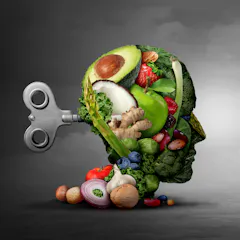
Ultra-processed foods high in sugar, fat and empty carbs are bad for the mind as well as the body. Lack of micronutrients affects brain function and influences mood and mental health symptoms.

A better understanding of language and its neuroscientific basis would help us handle linguistic issues throughout our lives.

High levels of uncertainty can make us obsessive compulsive, causing physical changes in the brain.
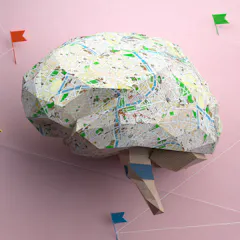
Scientists have been mapping the brain for centuries. New visualization tools bring them one step closer to understanding where thoughts come from and new ways to treat neurological disorders.

Our brain is amazing. It tells us when we need to drink more water. And one of the ways it tells us is to make us feel thirsty.
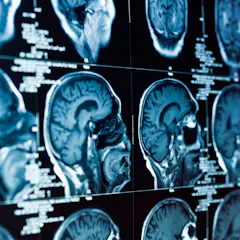
We used brain imaging techniques to show these two activities engage the same region of the brain. Then we wanted to find out more.

Some people do inherit traits which promote dance ability - but with hard work almost anyone can learn to dance well due to the plasticity of the brain

You my be able to spot a committed dad from the size of his hypothalamus,
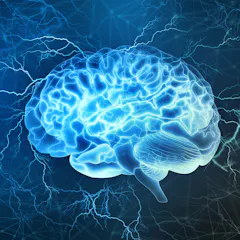
Our research suggests the multiplication of protein aggregates in individual regions of the brain, rather than their spread between regions, is key to the progression of Alzheimer’s disease.

If a friend seems to be immune to your spooky, ghost story this Halloween, ask them if they can see the story unfold in their mind’s eye.
Plus, how a team of musicologists and computer scientists completed Beethoven’s unfinished 10th Symphony using AI. Listen to The Conversation Weekly podcast.
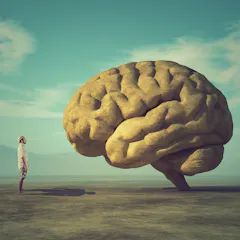
For each decision we make, we assign a certain level of confidence. How does the brain decide how much?
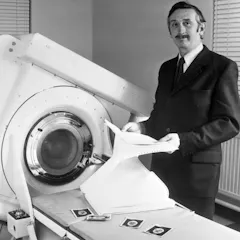
On Oct. 1, 1971, Godfrey Hounsfield’s invention took its first pictures of a human brain, using X-rays and an ingenious algorithm to identify a woman’s tumor from outside of her skull.
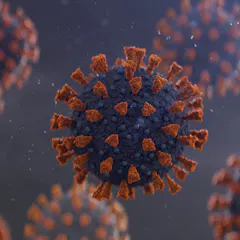
Reduced brain volume in people who have experienced COVID-19 resembles brain changes typically seen in older adults. The implications of these findings are not yet clear.

New research points to a biological way that racism can lead to health disparities.

An exercise physiologist explains how it’s a problem of communication between your brain and your body.
Top contributors
-

Professor of Clinical Neuropsychology, University of Cambridge
-
Postdoctoral Research Associate, Cognitive Neuroscience, University of Cambridge
-
Senior Research Fellow, The Perron Institute for Neurological and Translational Science, and Faculty of Health Sciences, Curtin University
-
Professor of Science and Technology for Brain-Inspired Intelligence/ Computer Science, Fudan University
-
Professor of Music Psychology, Durham University
-
Postdoctoral Researcher in Cognitive Neurosciences, The University of Queensland
-
Lead, Cognition and Consciousness Imaging Group, Division of Anaesthesia, University of Cambridge
-
Penn State
-
Senior Lecturer (Adjunct), Nutritional neuroscientist, Adelaide University
-
Professor of Anatomy, Lancaster University
-
Professor of Chemistry and Senior Scientist of the Krembil Research Institute, University Health Network, University of Toronto
-
Researcher, The University of Melbourne
-
Postdoctoral Researcher in Neuroscience, University of Sussex
-
Professor of Behavioral Neuroscience, University of Richmond
-
Professeur agrégé de neurosciences computationnelles et neurophysiologie, L’Université d’Ottawa/University of Ottawa