

The impact of using electronic devices is critical during the first years of life, both visually and on the cognitive and social development of the child.
Articles on Brain
Displaying 241 - 260 of 731 articles

From more accurate climate modelling to the prospect of truly creative computers, the brain’s use of noise has a lot to teach us.

We hope our work can help shape building planning and design. That could be classrooms that help us concentrate, or hospital waiting rooms that reduce our anxiety.
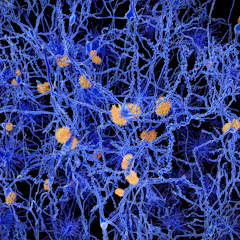
Too much amyloid-beta in the brain has long been considered the cause of Alzheimer’s. New research suggests it might be the opposite.

Canadian researchers are exploring unanswered questions about concussion: How to diagnose it accurately and quickly, how to predict outcomes and promote recovery, and how to prevent it altogether.
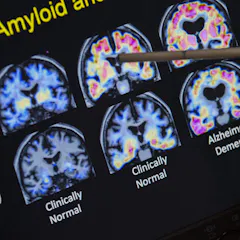
Alzheimer’s may not be primarily a disease of the brain. It may be a disorder of the immune system within the brain. Beta-amyloid may not be an abnormal protein, but part of the brain’s immune system.
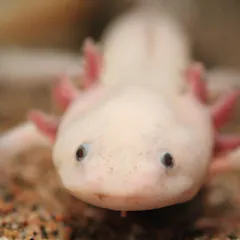
Axolotls are amphibians known for their ability to regrow their organs, including their brains. New research clarifies their regeneration process.

Why your eyes move during the REM stage of sleep has puzzled scientists for years. Researchers measured mice brains to look for a possible explanation.

Diets high in fat, sugar and processed foods are associated with higher calorie intake, poorer memory and lower cognitive function.

People who get COVID continue to face increased risks of developing some neurological and psychiatric conditions, like psychosis and dementia, for up to two years afterwards.

AI algorithm that detects brain abnormalities could help cure epilepsy.

A psychologist explains how your brain helps you save money.

From figuring out where memories are stored to how sensory information translates to behavior, new technologies are helping neuroscientists better understand how the brain works.

Our team studied the activity of neurons in people with epilepsy. Neurons in the brain regions responsible for triggering seizures were much less diverse.
No, it’s not like donating a kidney. But it is still a gift.

The key to understanding how brains can recover from trauma is that they are fantastically plastic – meaning our body’s supercomputer can reshape and remodel itself.
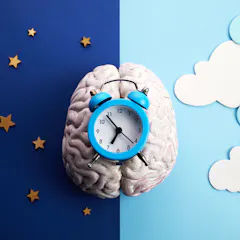
Your body follows a circadian rhythm that influences everything from how well your medications work to the best time for exercise.
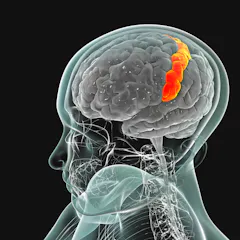
The brain’s somatosensory cortex may help enrich our emotional experiences and improve our mental health. Mindfulness and dance movement therapy may be effective ways to activate it.
Cell cultures have shown promise in representing diseases. The Petri dish is not as different from a sick person as one might think.

With nine brains, blue blood and a talent for camouflage, the octopus is one of the most fascinating creatures in the sea.
Top contributors
-

Professor of Clinical Neuropsychology, University of Cambridge
-
Postdoctoral Research Associate, Cognitive Neuroscience, University of Cambridge
-
Senior Research Fellow, The Perron Institute for Neurological and Translational Science, and Faculty of Health Sciences, Curtin University
-
Professor of Science and Technology for Brain-Inspired Intelligence/ Computer Science, Fudan University
-
Professor of Music Psychology, Durham University
-
Postdoctoral Researcher in Cognitive Neurosciences, The University of Queensland
-
Lead, Cognition and Consciousness Imaging Group, Division of Anaesthesia, University of Cambridge
-
Penn State
-
Senior Lecturer (Adjunct), Nutritional neuroscientist, Adelaide University
-
Professor of Anatomy, Lancaster University
-
Professor of Chemistry and Senior Scientist of the Krembil Research Institute, University Health Network, University of Toronto
-
Researcher, The University of Melbourne
-
Postdoctoral Researcher in Neuroscience, University of Sussex
-
Professor of Behavioral Neuroscience, University of Richmond
-
Professeur agrégé de neurosciences computationnelles et neurophysiologie, L’Université d’Ottawa/University of Ottawa