
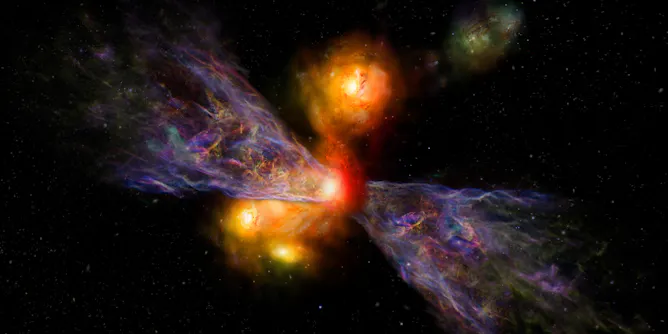
All things die, even galaxies.
Articles on Astronomy
Displaying 21 - 40 of 989 articles
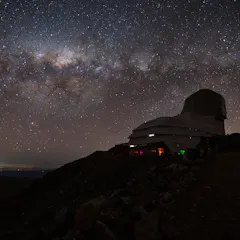
Scientists study small galaxies to look for hints of dark matter in the universe.
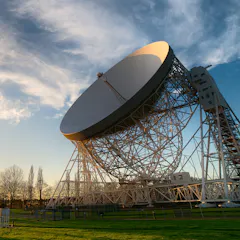
Astronomers should not try to message E.T. before international consultation has occurred.

Seeing a signal in different kinds of light is like having a text written in several forms of writing – it makes it easier to decipher.
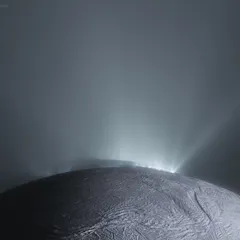
Future missions may be able to take only a small, damaged sample from space back to Earth. A simple analysis tool could help determine whether its contents suggest the presence of life.
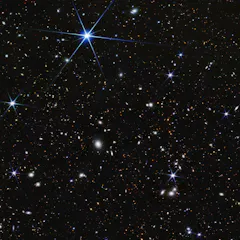
To travel between solar systems, a spacecraft would need extremely sophisticated – if not impossible – technology.
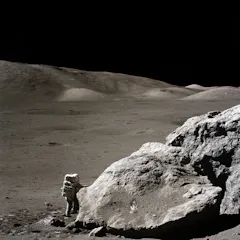
As lunar missions are back in vogue with engineering more sustainable human presence on the Moon in mind, there’s no getting away from the fact that you can’t breathe on a satellite that has no atmosphere.
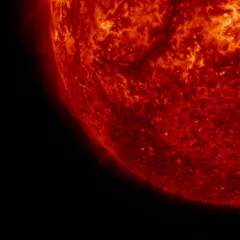
The Sun is a complex physical body. It generates incredible amounts of heat and a strong, often tangled, magnetic field.
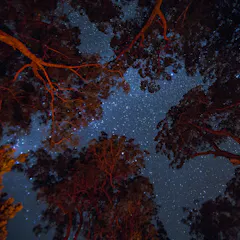
Aboriginal communities have observed the night sky for millennia. But they face a growing threat – light pollution.
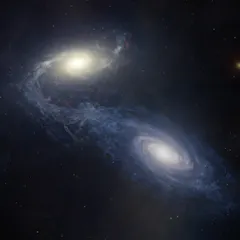
Astronomers want to understand how spiral galaxies form and get their massive spiral arms.
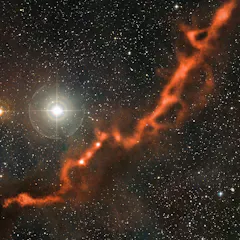
Discoveries of molecules in space that suggest extraterrestrial life are exciting, but they need to be taken with a grain of salt – an astrochemist explains why.
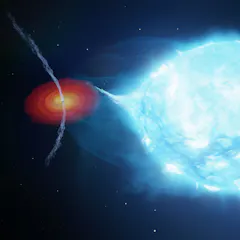
Astronomers have discovered stellar winds can cause black hole jets to change direction – just like wind on Earth can blow around the water in a fountain.
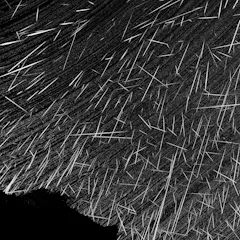
A newly identified meteor shower reveals that intense heat is fragmenting a previously unknown asteroid as it passes too close to the Sun.
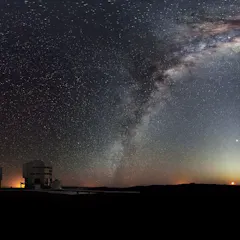
A program cut has Australian astronomers up in arms – but it points at much bigger problems with national research funding.
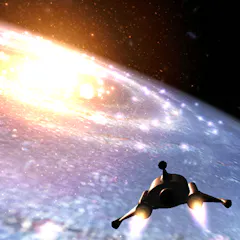
With college students less likely to read through a full textbook than they once were, video games can help keep them engaged.
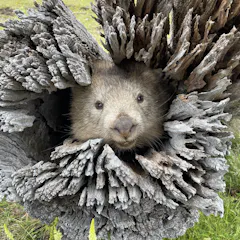
From wombat and mozzie surveillance to deciphering climate history and spotting star explosions, citizen scientists are instrumental in contributing knowledge.
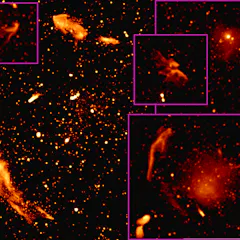
South Africa is using homegrown technology to answer questions about where our universe came from and where it is going.
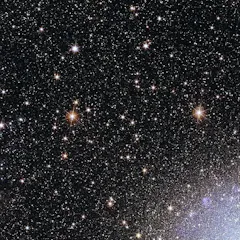
The fictional biologist in ‘Project Hail Mary’ claims that potential alien organisms might not be made of carbon or require water, unlike life on Earth.

AI could help astronomers crunch the vast amounts of data produced by a new observatory.
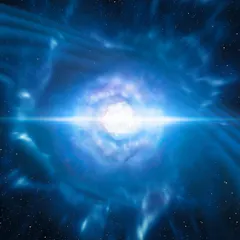
Gold and platinum are found in space, created when two stars collide. Astrophysicists can even trace this process further back, to the merger of galaxies.
Top contributors
-

Professor (Astrophysics), University of Southern Queensland
-
Senior Curator (Astronomy), Museums Victoria Research Institute; The University of Melbourne
-
Associate Professor in Astronomy, Monash University
-
University Distinguished Professor of Astronomy, University of Arizona
-
Associate Professor, School of Physics, The University of Melbourne
-
Professor of Astrophysics, University of Sydney
-
Professor, Radio Astronomy, University of Sydney
-
Pro Vice-Chancellor Flagship Initiatives, Swinburne University of Technology
-
Honorary Fellow, Space and Astronomy, CSIRO; Western Sydney University
-
John Curtin Distinguished Professor (Radio Astronomy), Curtin University
-
Postdoctoral Researcher in Radio Astronomy, University of Sydney
-
Lecturer in Astronomy, Nottingham Trent University
-
Senior Lecturer in Physics, Nottingham Trent University
-
Associate Dean of Innovation and Engagement, Swinburne University of Technology
-
Associate Professor, Astronomy, University of Regina