
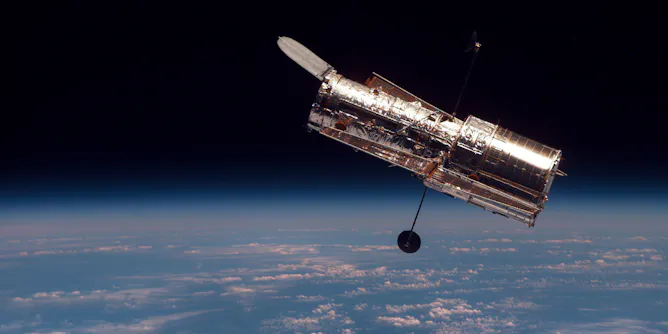
The astronomy and astrophysics decadal survey for the 2020s lays out plans to search for life on distant planets, understand the formation of galaxies and solve deep mysteries of physics.
Articles on Astronomy
Displaying 381 - 400 of 989 articles
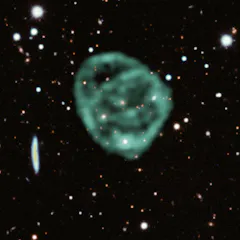
Next-generation radio telescopes unravel the mysteries of ghostly circles in the sky.
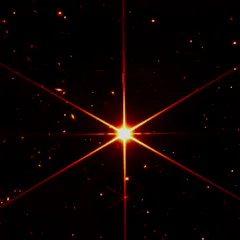
The telescopes primary mirror segments are now working together to provide a single, sharp image.
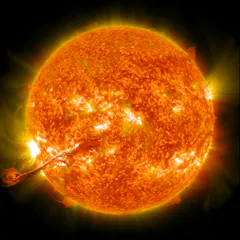
Space weather can affect satellites in a number of different ways, from frying electronics to increasing drag in the atmosphere.
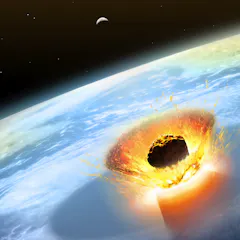
NASA has only mapped 40% of the potentially dangerous asteroids that could crash into Earth. New projects will boost that number, and upcoming missions will test tech that could prevent collisions.
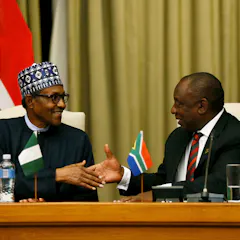
Nigeria-South Africa bi-national commission is a laudable initiative but missing the space cooperation element.
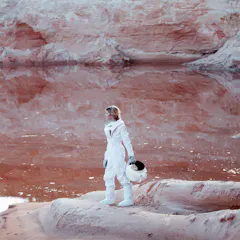
Humans might one day be able to live somewhere else in the Universe.
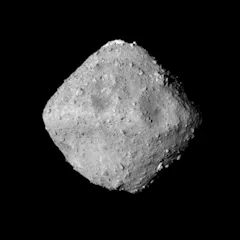
The Hayabusa2 mission brought a piece of asteroid Ryugu back to Earth, where it has helped scientists resolve a long-standing puzzle.
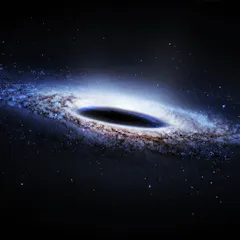
You can imagine a white hole as being a black hole in reverse — but is such a thing really possible?

A mysterious repeating signal from our galactic backyard is a reminder the universe is full of unexpected surprises, if only we should look.
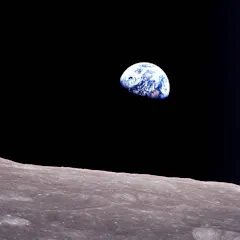
The mission is set to launch in March 2022. Here’s what you need to know.
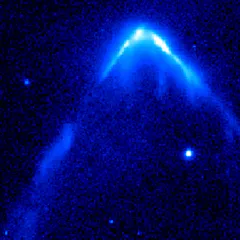
Hypervelocity stars were discovered only 15 years ago and are the closest things in existence to real shooting stars. They travel at millions of miles per hour, so fast that they can escape from galaxies.
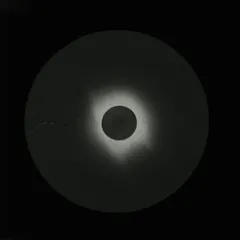
A total eclipse that travelled the full width of Australia in 1922 offered astronomers the chance to confirm Einstein’s theory of general relativity - and for the community to enjoy a rare spectacle.
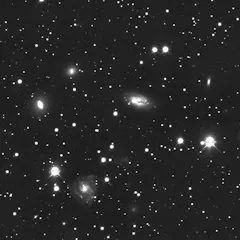
Anyone with an internet connection can search the universe and possibly discover never-before-seen galaxies.
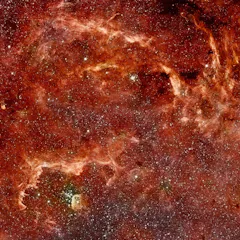
As we await the launch of the James Webb Space telescope, it’s timely to look back on what previous generations of telescopes have shown us.

Despite the name, some black holes effectively “shine” as they suck up nearby material with such force that it begins to glow. New research reveals a new method for detecting these active black holes.
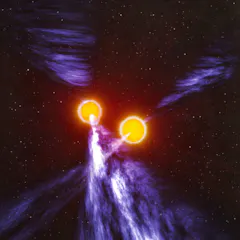
Astronomers watched a pair of pulsars for 16 years to test the theory of general relativity, which has stood unchallenged for over a century.
Plus, the tactics the food industry is using to boost sales of ultra-processed foods in middle-income countries. Listen to The Conversation Weekly.
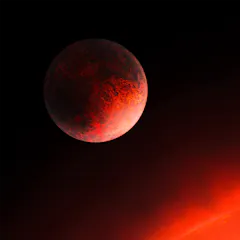
Most of what we know about planets outside our Solar System relates to gas-giant planets. A new study has identified and characterised a smaller exoplanet.
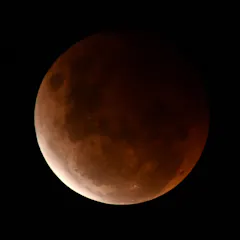
A partial lunar eclipse during moonrise will let viewers in most Australian capitals see the Moon partly shrouded in Earth’s shadow, while the “Moon illusion” makes it look larger than life.
Top contributors
-

Professor (Astrophysics), University of Southern Queensland
-
Senior Curator (Astronomy), Museums Victoria Research Institute; The University of Melbourne
-
Associate Professor in Astronomy, Monash University
-
University Distinguished Professor of Astronomy, University of Arizona
-
Associate Professor, School of Physics, The University of Melbourne
-
Professor of Astrophysics, University of Sydney
-
Professor, Radio Astronomy, University of Sydney
-
Pro Vice-Chancellor Flagship Initiatives, Swinburne University of Technology
-
Honorary Fellow, Space and Astronomy, CSIRO; Western Sydney University
-
John Curtin Distinguished Professor (Radio Astronomy), Curtin University
-
Postdoctoral Researcher in Radio Astronomy, University of Sydney
-
Lecturer in Astronomy, Nottingham Trent University
-
Senior Lecturer in Physics, Nottingham Trent University
-
Associate Dean of Innovation and Engagement, Swinburne University of Technology
-
Associate Professor, Astronomy, University of Regina