

We’ve gone from celebrating foods with additives to despising them, but living without them seems an impossibility.
Articles on Aspartame
Displaying all articles
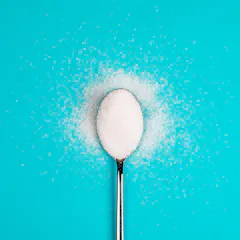
It’s the ultimate win-win that food scientists have been seeking for over a century. But replacing the sweet stuff turns out to be much harder than anyone imagined.

From weight loss to possible health concerns, discover the science – and controversy – behind one of the world’s most popular sugar substitutes.

A growing body of evidence suggests artificial sweeteners may have many harms for health.
Drinking diet soft drinks occasionally is unlikely to harm your health. Frequent or excessive intake, however, may increase health risks in the longer term.

An expert panel found a potential association with liver cancer, but too little research exists to assume a causal connection. For now, the WHO left current consumption guidelines unchanged.

IARC has listed the artificial sweetener aspartame as possibly cancer causing. Here’s how to digest the findings.

Reports have indicated the artificial sweetener aspartame will be classified as ‘possibly carcinogenic to humans’ by the WHO. Here’s what that means – and doesn’t mean.

The WHO report concluded that habitual use of nonsugar sweeteners is linked to a modest increase in diabetes, hypertension and stroke. But the research it’s based on has limitations.

A study of over 100,000 people found aspartame and acesulfame K in particular may increase risk of developing cancer somewhat.

There is a huge variety of sugar substitutes available. What’s the difference? Is one better for controlling blood sugar levels for diabetes? Is one better for individuals trying to lose weight?
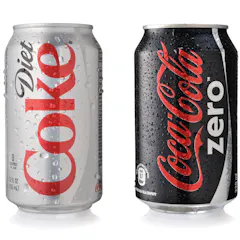
Mounting evidence suggests that artificial sweeteners are linked to chronic health problems like obesity and diabetes. Should there be a tax on these foods?
A new study in rats adds to the evidence that artificial sweeteners may be bad for your health.

The evidence against low-calorie sweeteners is mounting. But that doesn’t mean natural sugar is better.

Artificial sweeteners used in diet sodas and other low-calorie foods can actually contribute to weight gain and type 2 diabetes. The more you use, the higher the risk.
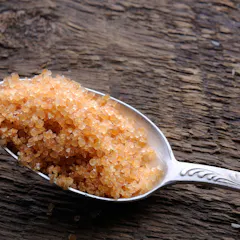
If only it were as simple as sweetness.

When you buy a diet coke, or any other consumables containing the artificial sweetener aspartame, you’ll see a warning against consuming the product if you have phenylketonuria, an inherited metabolic…
Everyone who works in a chemistry laboratory knows that you don’t use your taste receptors to check if an unknown chemical is safe or deadly poisonous (or if you do, you may do it only once). But if this…
Top contributors
-

Associate Professor in Biology and Biomedical Science, Aston University
-
Professor of Nutrition and Food Science, University of Reading
-
Clinical assistant professor, University of California, Los Angeles
-
Professor of Food Science, Heriot-Watt University
-
Directeur, Department of Precision Health, Luxembourg Institute of Health, Université Paris-Saclay
-
Lecturer, UNSW
-
Associate Professor of Biological Science, USC Dornsife College of Letters, Arts and Sciences
-
Professor of Epidemiology, University of Tennessee Health Science Center
-
Assistant Professor of Biological Sciences, USC Dornsife College of Letters, Arts and Sciences
-
Reader in Biomedical Science Communication, University of Birmingham
-
Associate Professor of Public Health, University of Tennessee
-
Professor of Nutrition, University of Tennessee
-
Senior Lecturer in Biomedical Science, Cardiff Metropolitan University
-
Program Director of Nutrition and Food Sciences, Accredited Practising Dietitian, Adelaide University
-
Associate Professor of Pharmacy Practice , Drake University