
The move reshapes how future assessments of chemical dangers will be carried out, and if they’ll be ignored, delayed or understated to benefit industry.
Articles on Carcinogen
Displaying 1 - 20 of 40 articles
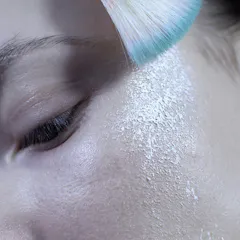
Whether titanium dioxide is carcinogenic has become a battle in the courts. But it’s a complex scientific question with no firm answer.
Alcohol is the third-leading preventable cause of cancer in the US, accounting for tens of thousands of cancer deaths per year.

“Drink responsibly” messages have not stopped risky drinking. Some say we need cancer warnings on wine bottles and beer cans like we do on cigarette packs.

Nigeria must enforce its environmental laws to protect people living in the Niger Delta and their environment.
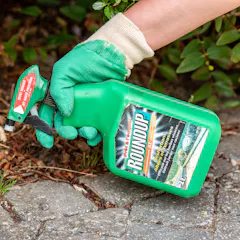
The Federal Court has dismissed a class action against the makers of Roundup, saying there’s not enough evidence the active ingredient, glyphosate, causes cancer.
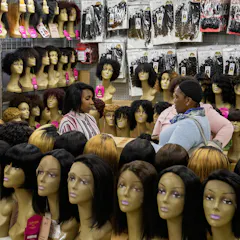
Wigs are popular fashion accessories for Nigerian women. However, many are laden with heavy metals and pesticides.
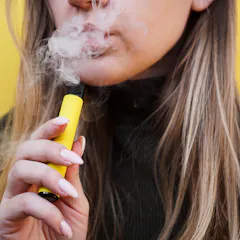
It’s not just the ingredients we should be concerned about. The devices themselves release chemicals that end up in our blood and urine.
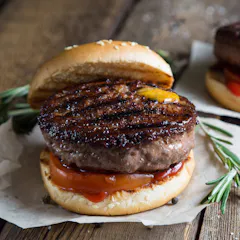
Most of us are vaguely aware we shouldn’t eat too much red meat, but why? And does the type of meat make a difference?
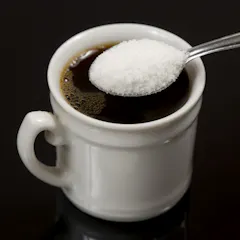
An expert panel found a potential association with liver cancer, but too little research exists to assume a causal connection. For now, the WHO left current consumption guidelines unchanged.

IARC has listed the artificial sweetener aspartame as possibly cancer causing. Here’s how to digest the findings.
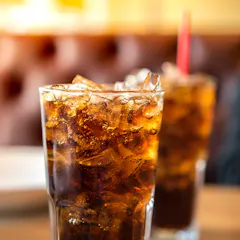
Reports have indicated the artificial sweetener aspartame will be classified as ‘possibly carcinogenic to humans’ by the WHO. Here’s what that means – and doesn’t mean.
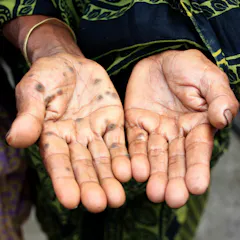
Millions of people worldwide are exposed via soil and water to arsenic, whether naturally occurring or related to pollution. Chronic exposure is linked to the formation of cancer stem cells.
The WHO’s International Agency for Research on Cancer convenes a panel of scientific experts to review available evidence on whether specific chemicals or occupational exposures may cause cancer.
Polyurethane foams are the world’s sixth-most-produced plastic yet among the least recycled materials.
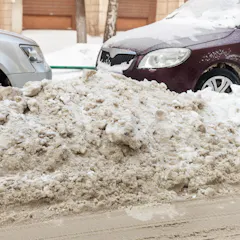
From persistent chemicals to exhaust particulate matter, snow accumulates highly toxic pollutants. Regulations are needed to address the impacts on water supplies and the food chain.

It’s impossible to escape exposure to microplastics and a new study confirms they’re in household dust around the world. But the health risks appear surprisingly low, and vacuuming makes a difference.
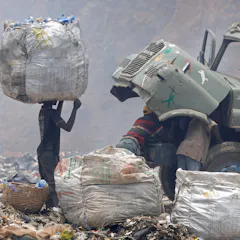
Lagos waste pickers were dissatisfied with their unhealthy working conditions, poverty and stigmatisation.
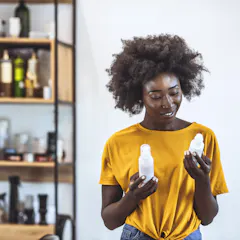
Researchers had suspected that chemical hair relaxers might be behind racial disparities in breast cancer diagnoses. A new study narrows in on lye as a possible cause for that link.
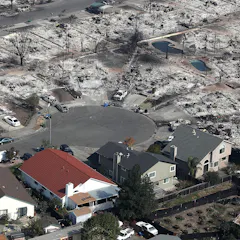
An increasing number of communities are discovering dangerous contamination in their water systems weeks or months after fires.
Top contributors
-

Research Director, Australian Microplastic Assessment Project (AUSMAP); Honorary Senior Research Fellow, School of Natural Sciences, Macquarie University
-
Senior Lecturer in Pharmacology, Adelaide University
-
Academic Casual, School of Natural Sciences, Macquarie University
-
Honorary Professor, School of Natural Sciences, Macquarie University
-
Chair in Health Effectiveness, University of Stirling
-
Professor of Allied Health Sciences, University of Connecticut
-
Adjunct Professor, School of Psychology, Curtin University and College of Health and Medicine, Australian National University
-
Associate Dean, Chair Professor of the Atmospheric Environment, City University of Hong Kong
-
Associate professor, University of Sydney
-
Professor, School of Medicine, University of Connecticut
-
Research Assistant Professor of Automotive Engineering, Clemson University
-
Associate Professor, Institute for Physical Activity and Nutrition, Deakin University
-
Assistant Professor of Medicine, Boston University
-
Professor Emeritus of Chemical and Biological Engineering, Biomedical Engineering, and Public Health, Colorado State University
-
Professor of Statistics, Queensland University of Technology