
It’s the ultimate win-win that food scientists have been seeking for over a century. But replacing the sweet stuff turns out to be much harder than anyone imagined.
Articles on Artificial sweeteners
Displaying 1 - 20 of 27 articles
Your diet soft drink habit may not be as healthy as you think. Here are three ways to cut back.

New research reveals how widely used sugar alternative erythritol damages brain protection systems.

A growing body of evidence suggests artificial sweeteners may have many harms for health.
Drinking diet soft drinks occasionally is unlikely to harm your health. Frequent or excessive intake, however, may increase health risks in the longer term.
Artificial sweeteners aren’t metabolised by the human body, so they are excreted – and that’s where the environmental problems begin.

The new generation of artificial sweeteners was meant to be less harmful than the previous generation. A new study suggests they might be just as harmful.

An expert panel found a potential association with liver cancer, but too little research exists to assume a causal connection. For now, the WHO left current consumption guidelines unchanged.

IARC has listed the artificial sweetener aspartame as possibly cancer causing. Here’s how to digest the findings.

Reports have indicated the artificial sweetener aspartame will be classified as ‘possibly carcinogenic to humans’ by the WHO. Here’s what that means – and doesn’t mean.

The WHO report concluded that habitual use of nonsugar sweeteners is linked to a modest increase in diabetes, hypertension and stroke. But the research it’s based on has limitations.
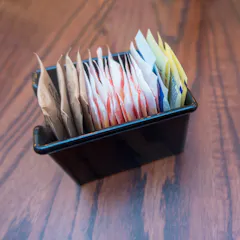
Here’s what the new WHO guidelines mean for people who have switched to artificial sweeteners for health reasons.

There is more sugar and other sweeteners in our food and drinks globally than a decade ago, with manufacturers prioritising healthier options in richer countries.

A study of over 100,000 people found aspartame and acesulfame K in particular may increase risk of developing cancer somewhat.

Just because something is sweet doesn’t necessarily mean it is sugary. There are a number of molecules that taste sweet. To understand how and why takes a little bit of chemistry.

A new study looked at advertising and purchase data for children’s drinks and suggests that ads and pricing strategies contribute to sweetened children’s drink purchases.

There is a huge variety of sugar substitutes available. What’s the difference? Is one better for controlling blood sugar levels for diabetes? Is one better for individuals trying to lose weight?

People with a sweet tooth can (partly) blame their genes for their sugar habit. New research shows how the brain also gets involved.
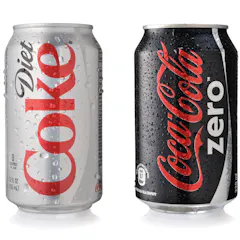
Mounting evidence suggests that artificial sweeteners are linked to chronic health problems like obesity and diabetes. Should there be a tax on these foods?
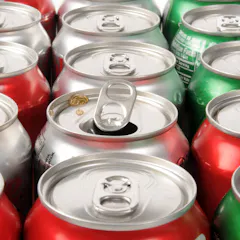
A new study in rats adds to the evidence that artificial sweeteners may be bad for your health.
Top contributors
-

Professor, Biomedical Science, Anglia Ruskin University
-
Program Director of Nutrition and Food Sciences, Accredited Practising Dietitian, Adelaide University
-
Professor of Community Health and Wellbeing, The University of Queensland
-
Associate Professor in Biology and Biomedical Science, Aston University
-
Accredited Practising Dietitian and Lecturer, Southern Cross University
-
Associate Professor, Institute for Physical Activity and Nutrition, Deakin University
-
Assistant Professor, Nutrition & Dietetics, Bond University
-
Clinical assistant professor, University of California, Los Angeles
-
Associate Professor of Biological Science, USC Dornsife College of Letters, Arts and Sciences
-
Professor of Nutrition, University of Tennessee
-
Senior Lecturer Population Nutrition, Deakin University
-
Director of Marketing Initiatives, Rudd Center for Food Policy and Health, University of Connecticut
-
Professor at the Police Academy, Police Academy of Lower Saxony
-
Research Fellow, Deakin University
-
Professor of Public Health Nutrition, Institute for Physical Activity and Nutrition, Deakin University