

Most older New Zealanders live in private homes. As the population ages, making streets, transport and public spaces work for them will become crucial.
Articles on World Health Organization (WHO)
Displaying 1 - 20 of 486 articles
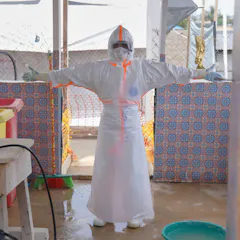
An Ebola vaccine designed for a different species is now being trialled against the outbreak in the DRC and Uganda.

Based on our modelling we recommend that governments in Egypt and across Africa increase taxes on sugary drinks.
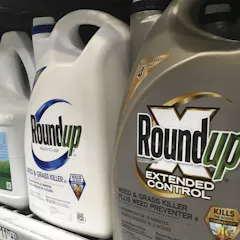
A case involving the potential dangers of glyphosate, the active ingredient in the weed killer Roundup, relates to broader efforts to protect consumers.

Vaccine development can be really expensive, and there’s limited commercial return.
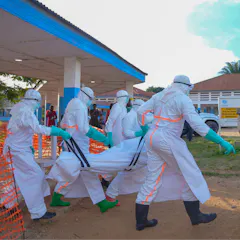
There is no approved vaccine to curb the Ebola outbreak in the Democratic Republic of the Congo and Uganda. But new funding offers hope.
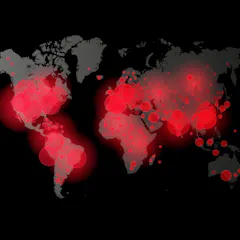
Global health funding cracks do not bode well for pandemic governance as recent disease outbreaks are reminding us. What does this mean for developing countries and how do they cope with health emergencies?
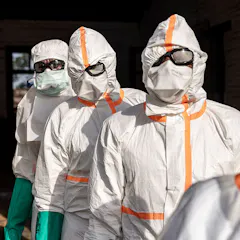
The steps set out in the report on global pandemic preparedness are vitally important for managing future outbreaks.
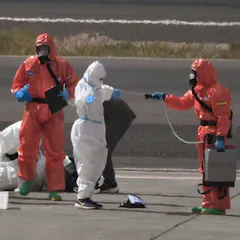
Recent outbreaks of Hantavirus and Ebolavirus raise concerns about risks linked to travel, with responses varying between countries. COVID-19 offers lessons for effective approaches to public health.

The Ebola outbreak in the DRC has the potential to become huge and of long duration.
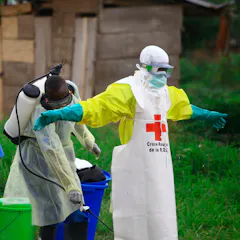
Everything you need to know about the Bundibugyo virus outbreak that has prompted the WHO to declare it a global health emergency.
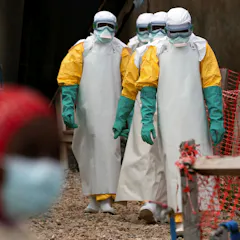
While other forms of Ebola can be prevented with a vaccine, none are currently available to prevent this rare strain.

It’s the ultimate win-win that food scientists have been seeking for over a century. But replacing the sweet stuff turns out to be much harder than anyone imagined.
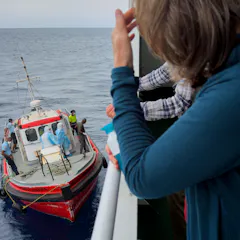
To stop the spread of infectious diseases, governments need information and other resources that countries around the globe share through international organizations.

The hantavirus outbreak that began on a cruise ship is a reminder of something we keep having to relearn: When humans push into ecosystems they don’t normally inhabit, they are exposed to viruses.
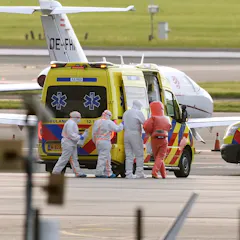
The Andean virus is not highly transmissible between humans. But it is deadly, and the incubation period can be long, so we must remain vigilant, says the virologist.

Hantavirus cases are usually rare, but the strain in the outbreak is the only one thought to be transmitted from person to person.

A case involving the potential dangers of glyphosate, the active ingredient in the weed killer sold as Roundup, could affect broader consumer-protection efforts.
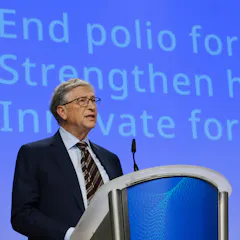
Could philanthropists be dominating global health metrics, governance, and outcomes?

World Health Organization regulations are not a threat to national sovereignty, and they apply lessons learned from COVID. So why did NZ opt out?
Top contributors
-

Associate professor, University of Sydney
-
Fellow, Nigerian Academy of Science
-
Associate Principal Research Fellow, Burnet Institute
-
Professor of Global Biosecurity, NHMRC L3 Research Fellow, Head, Biosecurity Program, Kirby Institute, UNSW
-
Professorial Fellow, University of Canberra
-
Professor of Sociology, USC Dornsife College of Letters, Arts and Sciences
-
Professor and Tier 1 Canada Research Chair in Global Health Governance; Scientific Co-Director, Bridge Research Consortium, Simon Fraser University
-
Professor of Law, University of Waikato
-
Professor of Public Health, La Trobe University
-
Professor of Global Health and Director, O'Neill Institute, Georgetown University
-
Senior Research Fellow in Global Health, University of Southampton
-
Senior Research Scientist, African Population and Health Research Center
-
Professor, Paediatrics and Child Health, UNSW
-
Director of Koi Tū, the Centre for Informed Futures; former Chief Science Advisor to the Prime Minister of New Zealand, University of Auckland, Waipapa Taumata Rau
-
Canada Research Chair of Epidemiology & Global Health, McGill University