

Researchers have revealed the identities of six sailors and shed new light on the expedition that went missing more than 170 years ago.
Articles on Archeology
Displaying 1 - 20 of 112 articles
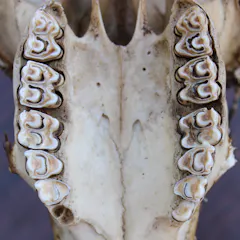
Through fossilized tooth enamel, scientists are reconstructing the diets and landscapes that existed millions of years ago. We really are what we eat.

Protecting heritage in Canada requires training more archeologists and equipping them with the tools and education to do so.

Rock art images show Songlines reached from Murujuga beside the Indian Ocean to the eastern Simpson Desert, 2,300 kilometers away.
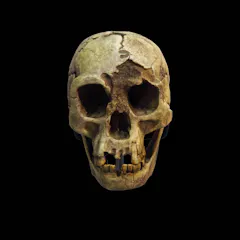
For a million years, one of humanity’s last cousins lived on an island in Indonesia. Why did they disappear?
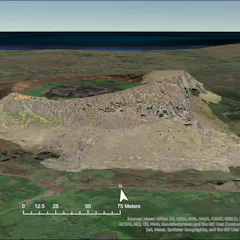
The mysteries of Easter Island, subjects of speculation for centuries, yield to scientific inquiry.
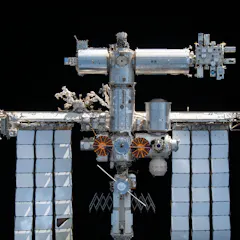
Archaeologists have studied how astronauts use the International Space Station to improve its potential future successors.

New research indicates Dargan Shelter was occupied as early as the last Ice Age and repeatedly visited during this cold period.

Named after the writings of J.R.R. Tolkien, Thorin is the first Neanderthal body to be found in France since 1978. He is forcing us to rethink almost everything we knew about early humanity.
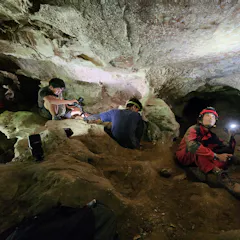
Figurative art presents lifelike representations of subjects. Using a new laser technique, we’ve dated figurative rock art painted 51,200 years ago.

Matching new archological findings with ethnographic records, we can show ritual fireplaces have been in continuous use for at least 12,000 years.
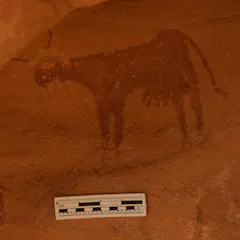
The theme of cattle in ancient rock art is one of most important pieces of evidence for a bygone age of the “green Sahara”.

A new study reveals the earliest evidence of humans in Europe, at Korolevo, Ukraine, shining new light on prehistoric migration routes.
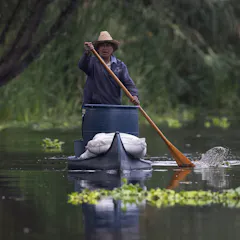
Agricultural sustainability is as much about power and sovereignty as it is about soil, water and crops.
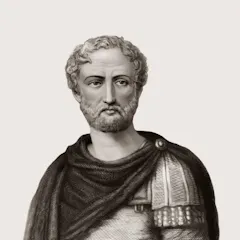
Roman medicines derived from black henbane treated everything from earache to womb pain.
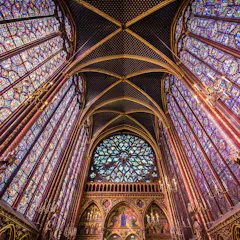
The Middle Ages are often portrayed as dark and dirty. New research is revealing that it was, in fact, a period filled with light and colour.

Genetic analysis of two skull fragments dating back almost 40,000 years shows that our species colonised Europe from the east and interbred with our Neanderthal cousins.
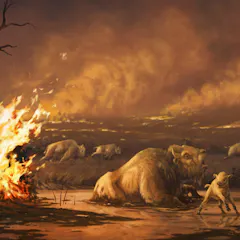
New findings from the La Brea Tar Pits in southern California suggest human-caused wildfires in the region, along with a warming climate, led to the loss of most of the area’s large mammals.
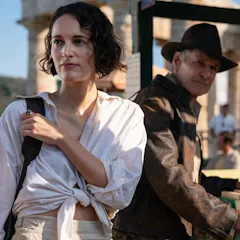
The final Indiana Jones movie is coming out June 30. The fifth in a series over 42 years, many of its ideas are taken from 19th-century orientalist and racist archaeology.

Meet the archeologist who is overhauling our understanding of early human history.
Top contributors
-

Associate Professor of Archaeology, Griffith University
-
Professor of Archaeology, Griffith University
-
Sean Ulm is a Friend of The Conversation.
Director, ARC Centre of Excellence for Indigenous and Environmental Histories and Futures, James Cook University
-
Professor of Archaeology and Biological Anthropology, School of Social Science, The University of Queensland
-
Emeritus Strategic Professor in Palaeontology, Flinders University
-
Professor of Archaeological Science, Griffith University
-
Laureate Professor in Archaeology, The University of Western Australia
-
Research Centre of Archeometry, Badan Riset dan Inovasi Nasional (BRIN)
-
Michael Bird is a Friend of The Conversation.
JCU Distinguished Professor, ARC Centre of Excellence for Indigenous and Environmental Histories and Futures, James Cook University
-
Honorary Fellow, School of Geograpy, Earth and Atmospheric Science, SGEAS, The University of Melbourne
-
Researcher in Palaeontology, University of Wollongong
-
Director, ARC Centre of Excellence for Australian Biodiversity and Heritage (CABAH), University of Wollongong
-
Professor in Geochronology and Geochemistry, Southern Cross University
-
Postdoctoral Researcher, Max Planck Institute of Geoanthropology; Griffith University
-
Professor, Director of Centre for Rock Art Research + Management, The University of Western Australia