
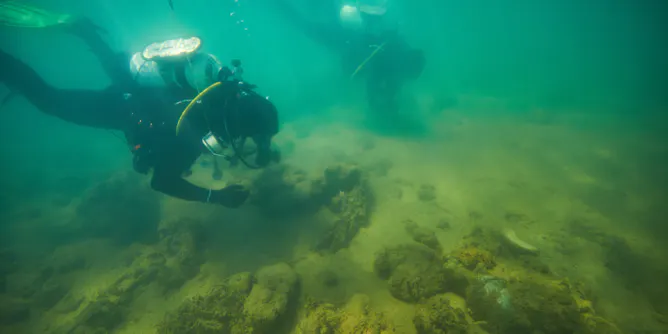
Submerged in the waters off Western Australia lies an ancient site home to Aboriginal people thousands of years ago, when sea levels were lower than they are today.
Articles on Archeology
Displaying 41 - 60 of 112 articles

The destruction of the 46,000 year old site Juukan Gorge forces us to confront archaeology and history in Australia.
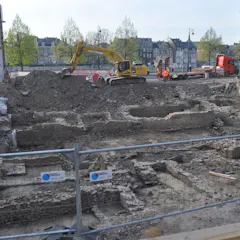
In Namur, Belgium, archaeological excavations were almost buried for good under the cover of lockdown. The incident draws attention to weaknesses in archaeological heritage protection systems.
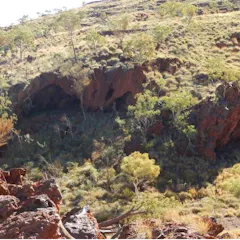
It’s a devastating loss, but the destruction of a culturally significant Aboriginal site is not an isolated incident. Rio Tinto was acting within the law.
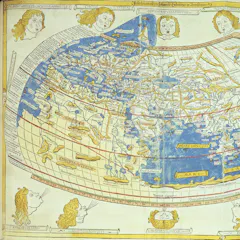
Through archaeological studies of architecture, excavated trade goods, and ecofacts we can trace globalisation back thousands of years.
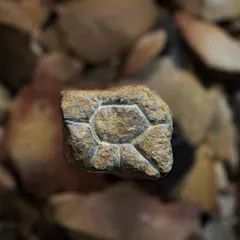
Portable artworks have never before been found in the most ancient contexts of Southeast Asia-Australasia.

Puerto Rico was once home to about 110,000 Taínos, an indigenous people decimated by the Spanish conquest. Their ancient homeland was located in the area hit hard by recent earthquakes.
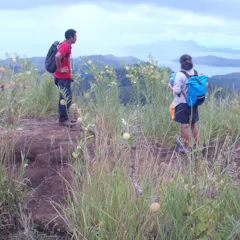
New research casts light on the pre-colonial mountain settlements in Fiji.
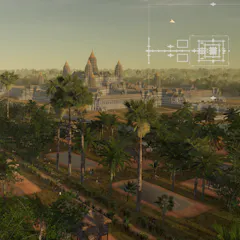
Many tourists hold an outdated romanticized image of an abandoned temple emerging from the jungle. But research around Angkor Wat suggests its collapse might be better described as a transformation.
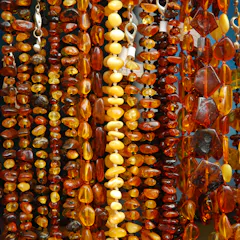
Archaeologists have uncovered a 2,000-year-old amber bead scam. But humans have been making fake jewels and icons for much longer than that.
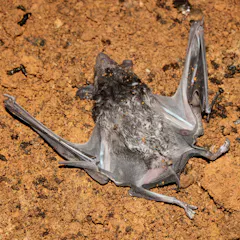
Ancient poo from bats and birds can tell you what type of vegetation they were feeding on at that time.

Finding the wreck of SS Iron Crown, lost underwater for more than 70 years, was the (relatively) easy part. It’s what we can learn from now on that’s the challenge.
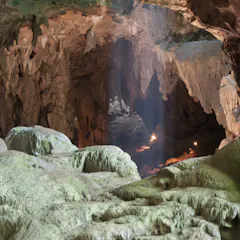
Reports say that a new species of ancient human has been identified in a cave in The Philippines. But only a few bone and teeth fossil fragments have been found, so far.

New studies reveal when the Denisovans and their Neanderthal cousins occupied a cave in southern Siberia. It’s the only site known to have been inhabited by them and by modern humans.
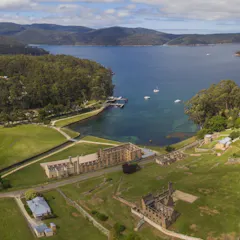
Without due process, archeological digs turn into into expensive and directionless treasure hunts from which little research value can be extracted.

When the remains of Aboriginal people who died more than a century ago were found, the local Aboriginal community wanted to know more about these past lives.
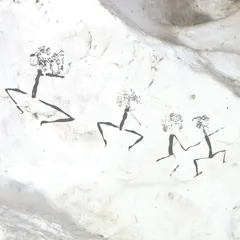
The cave paintings in Borneo show people and animals and are now thought to be the world’s oldest example of figurative art.

They were looking to study rock art at a remote desert site but what they found showed people had been using the place almost since the first people arrived in Australia.
Development projects are claiming ancestral sites at alarming rates. This ineffective protection of Indigenous heritage is a violation of human rights.

Stone working is one of the most successful technologies used by humans, from 3.3 million years ago to the present day. So don’t think its “primitive”.
Top contributors
-

Associate Professor of Archaeology, Griffith University
-
Professor of Archaeology, Griffith University
-
Sean Ulm is a Friend of The Conversation.
Director, ARC Centre of Excellence for Indigenous and Environmental Histories and Futures, James Cook University
-
Professor of Archaeology and Biological Anthropology, School of Social Science, The University of Queensland
-
Emeritus Strategic Professor in Palaeontology, Flinders University
-
Professor of Archaeological Science, Griffith University
-
Laureate Professor in Archaeology, The University of Western Australia
-
Research Centre of Archeometry, Badan Riset dan Inovasi Nasional (BRIN)
-
Michael Bird is a Friend of The Conversation.
JCU Distinguished Professor, ARC Centre of Excellence for Indigenous and Environmental Histories and Futures, James Cook University
-
Honorary Fellow, School of Geograpy, Earth and Atmospheric Science, SGEAS, The University of Melbourne
-
Researcher in Palaeontology, University of Wollongong
-
Director, ARC Centre of Excellence for Australian Biodiversity and Heritage (CABAH), University of Wollongong
-
Professor in Geochronology and Geochemistry, Southern Cross University
-
Postdoctoral Researcher, Max Planck Institute of Geoanthropology; Griffith University
-
Professor, Director of Centre for Rock Art Research + Management, The University of Western Australia