
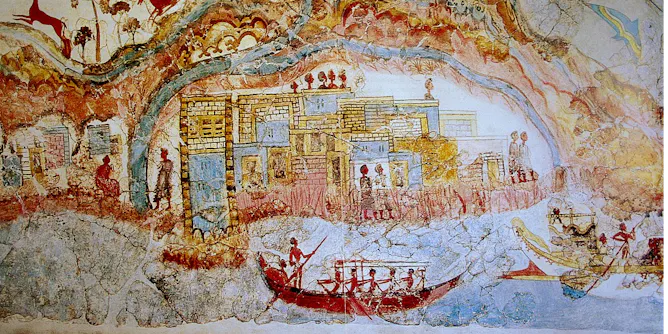
The new ‘docuseries’ makes grand claims about our ice age ancestors. Here’s why you should proceed with caution.
Articles on Archaeology
Displaying 261 - 280 of 657 articles
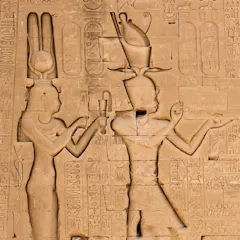
From the trinkets of the tomb to the mummy of the queen herself, the discovery of Cleopatra’s mausoleum could rewrite our understanding of the ancient world.
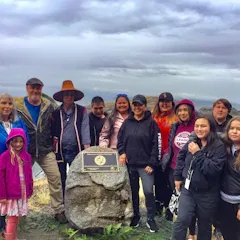
One project on a small island in B.C. is demonstrating how archaeology can bring communities together and serve as a basis for reconciliation.
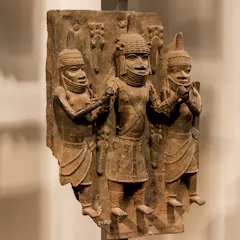
Momentum is growing for the restitution of objects, such as the Benin Bronzes, stolen during colonialism. Listen to The Conversation Weekly podcast.

Despite causing hurt and offence, the legality of removing a whale fossil from the West Coast remains unclear. So what rules and laws govern amateur fossil hunting, and should they be strengthened?
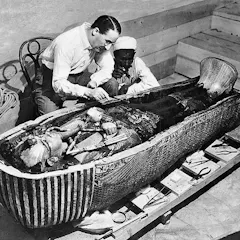
From the curse that the papers latched on to new research suggesting that Howard Carter stole objects from the tomb, Tutankhamun’s discovery continues to grab attention.
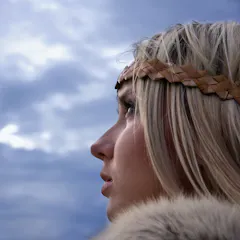
People didn’t live in insulated communities when the Roman empire fell. Villagers buried people who migrated from far away as one of their own.
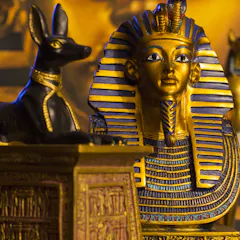
The discovery of Tutankhamun’s ancient Egyptian tomb in 1922 thrilled the world. But people know more about rumours of a curse than the amazing things science revealed about the boy king.

Without intervention, the rock may have been destroyed by high tides and storm surges.
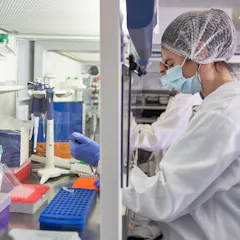
Thousands of ancient genomes have been sequenced to date. A Nobel Prize highlights tremendous opportunities for aDNA, as well as challenges related to rapid growth, equity and misinformation.

Derided as ‘toys for the rich,’ the specimens being bought and sold raise broader questions about the relationship between science and capitalism.
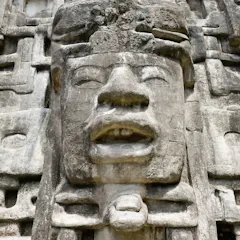
The Maya would have had to obtain mercury from far locations, transporting it by foot hundreds of kilometres across present-day Central America.
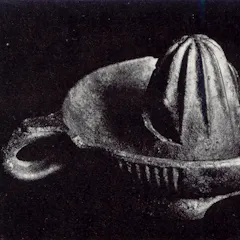
Norman Daly’s 1972 exhibition, ‘The Civilization of Llhuros,’ presented fiction as fact – and reminded viewers of just how easily they could be duped.
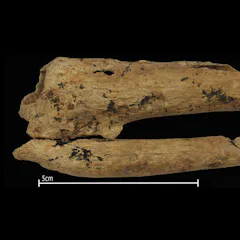
An astonishing discovery from the oldest known grave in Southeast Asia has revised medical history – the previous known amputation surgery was just 7,000 years ago.
DNA dating could complement radiocarbon technology to help make archaeology more accurate.
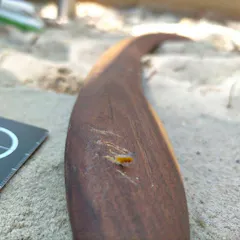
In a new study, archaeologists have re-discovered the role boomerangs played in retouching stone tools.
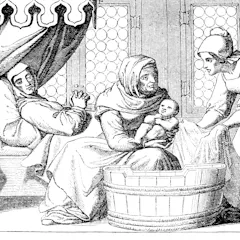
Nasty, brutish – but not necessarily short. Here’s how archaeologists know plenty of people didn’t die young.
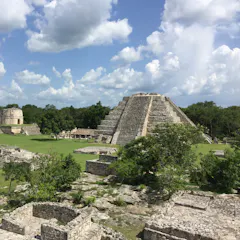
A change in climate may have triggered the decline and collapse of the Mayan city of Mayapán in the 15th century.
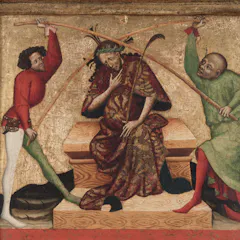
The idea that Europeans brought new diseases to the Americas and returned home with others has been widely accepted. But evidence is mounting that for syphilis this scenario is wrong.
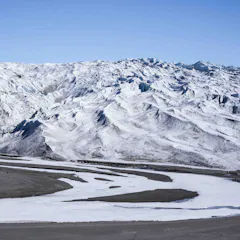
The Earth has had at least five major ice ages, and humans showed up in time for the most recent one. In fact, we’re still in it.
Top contributors
-

PhD Candidate, Anthropology and Archaeology, University of Bristol
-
Associate Professor of Archaeology, Griffith University
-
Director, ARC Centre of Excellence for Transforming Human Origins Research, Griffith University
-
Professor in Geochronology and Geochemistry, Southern Cross University
-
Associate Professor and Director, Flinders Microarchaeology Laboratory, Flinders University
-
Professor of Archaeology and Biological Anthropology, School of Social Science, The University of Queensland
-
Professor of Environmental and Geographical Sciences, Bournemouth University; University of Reading
-
Professor of Archaeology, Griffith University
-
Curator of Human Evolution of the Cleveland Museum of Natural History and Research Assistant Professor of Anthropology, Stony Brook University (The State University of New York)
-
Associate professor, University of Johannesburg
-
Associate Professor in Archaeology and Space Studies, Flinders University
-
Honorary Associate Professor, UNSW
-
Research Associate, African Centre for Coastal Palaeoscience, Nelson Mandela University
-
Head, Public Engagement, Chau Chak Wing Museum, University of Sydney
-
Associate Professor of Anthropology, Rice University