

The way many Americans think about racial identity today is hard to map onto the complex history of ancient Egypt and ancient Nubia.
Articles on Anthropology
Displaying 61 - 80 of 272 articles
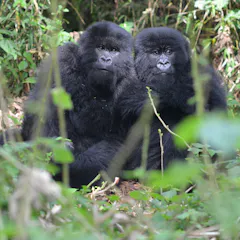
In many animals, including humans, adverse events in youth have lasting negative health effects over the life span. But new research suggests something different is going on in mountain gorillas.
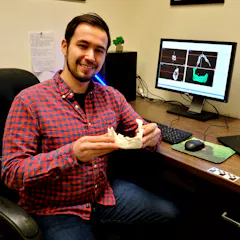
Scientists had figured a fossil found in Spain more than a century ago was from a Neandertal. But a new analysis suggests it could be from a lost lineage of our species, Homo sapiens.
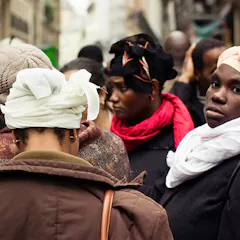
The voices and actions of women who were enslaved reveal how oppression works and what made a difference to those exposed to it
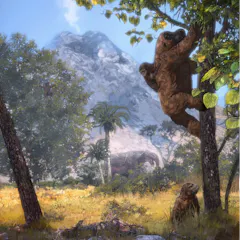
Contrary to the idea that apes evolved their upright posture to reach for fruit in the forest canopy, the earliest known ape with this stature, Morotopithecus, lived in more open grassy environments.
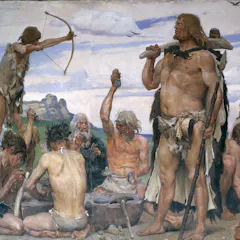
From Aristotle to Darwin, inaccurate and biased narratives in science not only reproduce these biases in future generations but also perpetuate the discrimination they are used to justify.

The first ancient DNA sequences from peoples of the medieval Swahili civilization push aside colonialist stories and reveal genetic connections from the past.

Trauma can affect how people remember and describe experiences. Many survivors express their pain through objects and physical symptoms, an anthropologist explains.
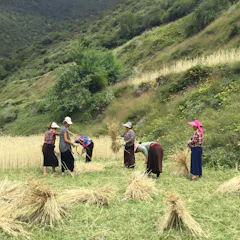
Men in rural China spend more time in leisure or social activities, or just hanging around and resting.

If you skirt the small talk and dig a little deeper, you’ll be surprised at what you might learn.
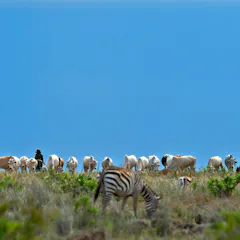
Conservation that places less emphasis on who may or may not use a piece of land could result in better outcomes for people and wildlife.
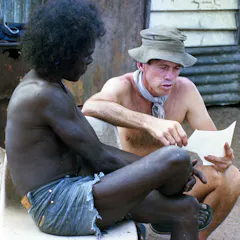
Anthropologist Neville White has spent two months a year since 1974 in Arnhem Land, as a guest of Yolngu families residing at the Donydji community.
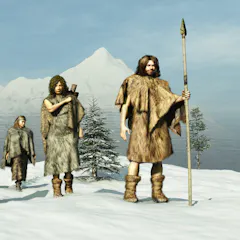
When, how, where and why did complex hierarchical societies evolve? Understanding how we got to this point in time may help us address global challenges, like climate change.
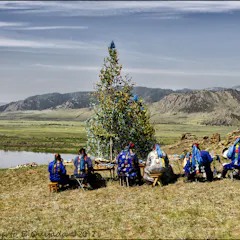
Animism describes religions in which humans are connected to the landscape around them but do not dominate it.
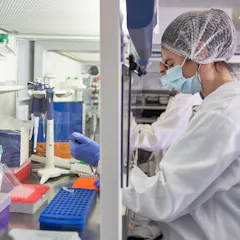
Thousands of ancient genomes have been sequenced to date. A Nobel Prize highlights tremendous opportunities for aDNA, as well as challenges related to rapid growth, equity and misinformation.
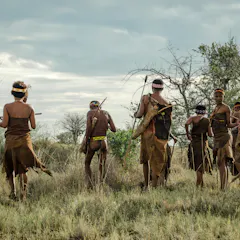
Not all human societies throughout history have been patriarchal.
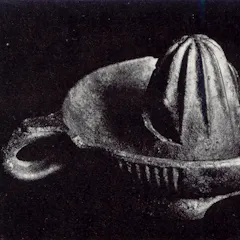
Norman Daly’s 1972 exhibition, ‘The Civilization of Llhuros,’ presented fiction as fact – and reminded viewers of just how easily they could be duped.

Our ancient ancestors didn’t have clothes or houses – but that constant exposure to the sun helped their skin protect itself from the worst sun damage.

An anthropologist explains how years of conflict have made Ukrainians reassess their priorities and relationships.
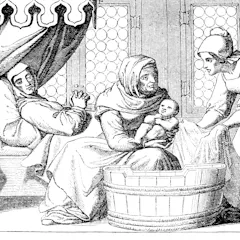
Nasty, brutish – but not necessarily short. Here’s how archaeologists know plenty of people didn’t die young.
Top contributors
-

Honorary Associate Professor, UNSW
-
Associate Research Professor of Anthropology, University of Colorado Denver
-
Associate Professor of Anthropology, Rice University
-
Curator of Human Evolution of the Cleveland Museum of Natural History and Research Assistant Professor of Anthropology, Stony Brook University (The State University of New York)
-
Professor of Anthropology, UCL
-
Research Fellow in Biological Anthropology, Monash University
-
Lecturer in Social Anthropology, University of Birmingham; Independent Social Research Foundation
-
Assistant Professor of Biological Sciences, Vanderbilt University
-
Associate Professor of Anthropology, Binghamton University, State University of New York
-
Professor of Earth System Science, UCL
-
Emeritus Professor, Department of Archaeology, Classics and History, University of New England
-
Professor of Anthropology, UCL
-
Assistant Professor of Arab Crossroads Studies and Anthropology , NYU Abu Dhabi, chercheuse associée LESC, Université Paris Nanterre
-
Professor of Anthropology, University of South Florida
-
Honorary Professor, University of Queensland