

The UN estimates the global population will pass 8 billion people on Nov. 15, 2022. From the Stone Age to today, here’s how things spiraled out of control.
Articles on Ancient history
Displaying 61 - 80 of 145 articles
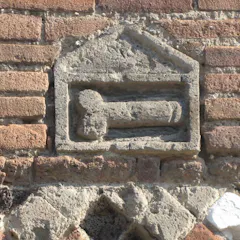
Pompeii is remembered as a place of surprising liberality – but the ‘masturbating man’ is probably a far less lurid tale than assumed.
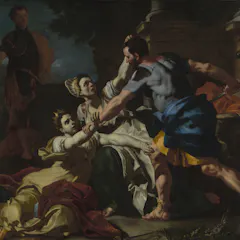
A patchwork of Roman laws (including Rome’s complex murder laws) sought to address coercive and violent behaviour
Increasing rainfall and degrading peatland are threatening archaeological artefacts buried in UK land.

The huppû, from modern-day Syria were celebrated athletes, trained in specialist academies, touring to foreign kingdoms, and facing the threat of arts funding cuts.
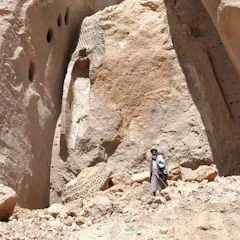
From 1996 to 2001, the Taliban outlawed almost all forms of art while looting and destroying museums. With their resurgence, Australia must strengthen measures to stop trafficking of antiquities.
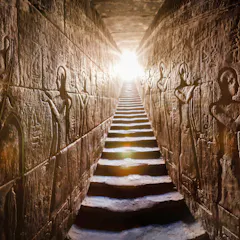
History isn’t just learning facts. Students learn about the past by researching information and synthesising it to form an evidence-based argument. This skill is useful for a range of careers.
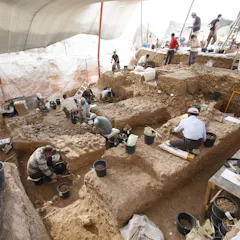
The 140,000-year-old skull fossils are leading to more questions than answers. Also found was the oldest intact campfire ever found in the open air.

In a recent episode of Lego Masters, contestants were asked to build a castle in the style of the Spartans. It had white city walls — but the real Spartans famously refused to build a wall.
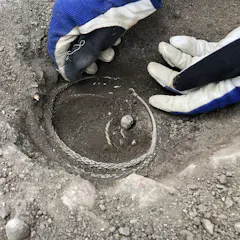
A Viking hoard of silver coins and jewellery expands our understanding of French history.
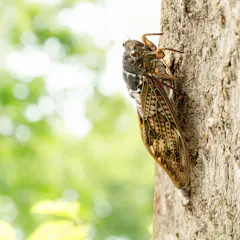
Learn how cicadas, the world’s loudest insects, create their cacophony, and why people in ancient Greece and ancient China admired them.
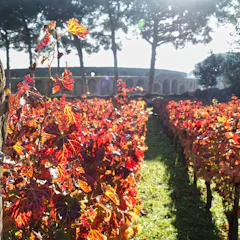
Pompeii was so famous in the ancient world for its wine other regions made counterfeit wine, sold in imitation ceramic jars.
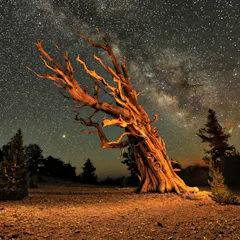
The updated methods are providing a clearer picture of how Earth and its inhabitants evolved over the past 60,000 years - and thus, providing new insight into its future.
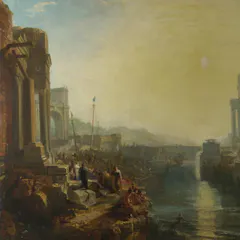
New linguistic research suggest early Germanic language and culture was strongly influenced by the Mediterranean superpower Carthage more than 2,000 years ago.
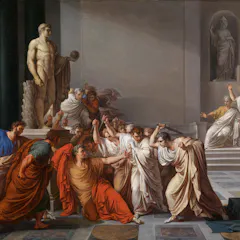
New research suggests ancient climate change shaped the fate of western civilisation.
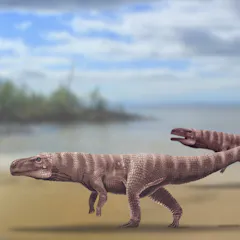
We found footprints that measure around 24 centimetres long. We suspect they came from animals with legs the same height as humans.
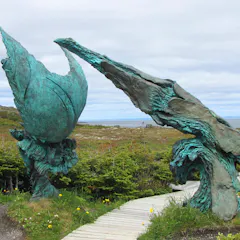
The allure of novel goods was so strong that it triggered 1,000 years of trade and interactions among people from different places, but there were limits on globalization then that no longer exist,
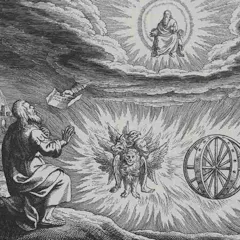
Those experiencing stress and uncertainty amid the coronavirus may find guidance in medieval responses to plagues, which relied on both medicine and prayer.
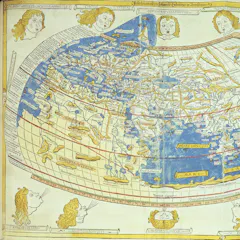
Through archaeological studies of architecture, excavated trade goods, and ecofacts we can trace globalisation back thousands of years.
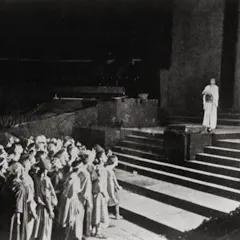
Greek epics remind audiences that leaders need to be able to plan for the future based on what has happened in the past. They need to understand cause and effect.
Top contributors
-

Lecturer in Classics and Ancient History, The University of Western Australia
-
Associate Professor in Ancient History, Macquarie University
-
Honorary Research Associate, Department of Classics and Ancient History, University of Sydney
-
Lecturer in Archaeology and Classical Studies, Adelaide University ; School of Advanced Study, University of London
-
Professor in Archaeology, University of Bristol
-
Research Associate, Institute for Prehistory and Early History and Medieval Archaeology, University of Tübingen
-
Professor Emerita, Classical Studies, The Open University
-
Lecturer in Classical Studies, The Open University
-
PhD Candidate in Classics and Archaeology, The University of Melbourne
-
Senior Lecturer in Ancient History, Cardiff University
-
Senior Lecturer in Classical Studies, The Open University
-
Professor of Classics and Head of the Centre for Classical Studies, Australian National University
-
Assistant Professor of Classics, University of Cambridge
-
Associate Professor of Greek History, The University of Queensland
-
Lecturer in Roman Archaeology and Art, Royal Holloway, University of London