
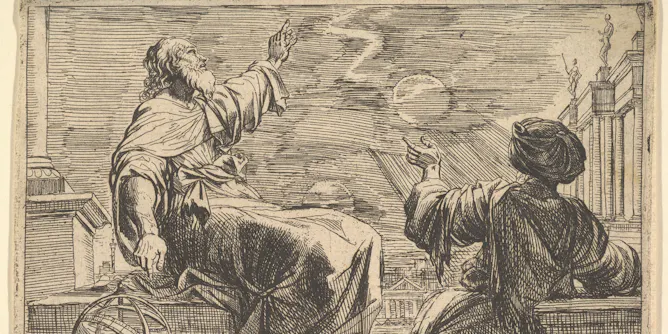
Romans could predict eclipses, but still interpreted them as signs from the gods.
Articles on Romans
Displaying 1 - 20 of 68 articles
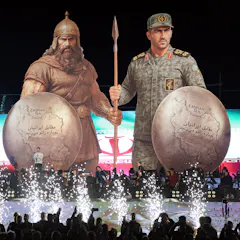
After dozens of wars between the two ancient empires of Rome and Persia, peace deals often failed to solve problems – and sometimes made the situation worse.

The island’s history was marked by mixture and cultural reinvention.
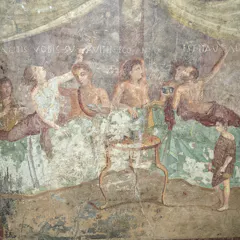
Some of the ancients were obsessed with living beyond 100. Here’s how they thought they could do it.
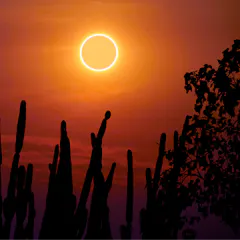
Historically, what made eclipses politically dangerous was the speculation often attached to them.
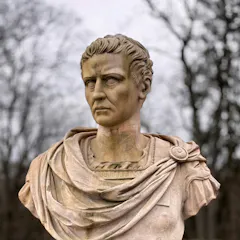
Depictions of the eccentricities of Roman leaders were (and remain) interesting. But such leaders were often also dangerous, unpredictable and frightening.

New insights from archaeology, genetics and early inscriptions are helping to uncover the story of Celtic languages in Britain and Ireland.

Pharaohs may have used this vessel to hunt hippopotami.
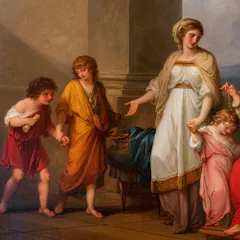
Mothers don’t normally belong in Latin epics, which were meant to be devoted to warriors and warfare.
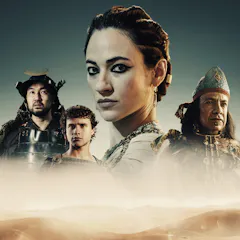
The new series attempts to chart the fall of four major empires but doesn’t always get it right.

It’s up for debate what the big shoes found at Magna mean and that’s an integral part of archaeological research
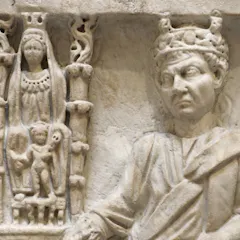
There may have been fear of gender-diverse people in the ancient world, but they played a crucial role. In Rome, they were viewed as vital to the city’s safety.
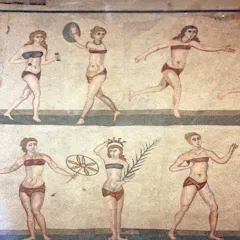
Taking time off in the summer was important in ancient Greek and Roman times. But some found it hard to detach from work and completely relax.
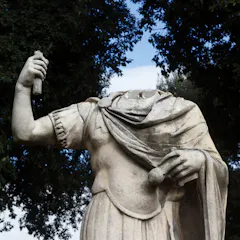
One particularly good example of ‘damnatio memoriae’ involves Crispus, the first son of the Roman emperor Constantine the Great. Here’s how he became Crispus the Cancelled.
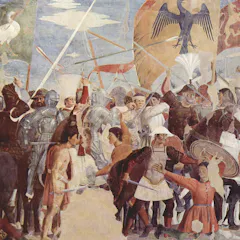
Research shows that 536AD was not the worst year to be alive.

Perhaps unsurprisingly, the walls of Pompeii’s brothel were a particular hot-spot for sexual graffiti.
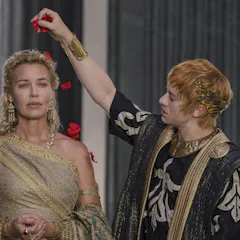
It’s clear Caracalla and Geta had an intense rivalry. This was kept in check while their father Septimius Severus was emperor. But once he died, their relationship devolved into outright hostility.
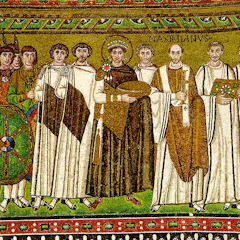
Despite the stereotypes, eunuchs clearly often played important roles in the ostensibly masculine world of strategic planning and combat.

Hannibal remains a towering figure in military history, not only for his tactical brilliance but also for the profound impact he had on Rome. He continues to inspire military leaders today.

Roman writers set out a playbook for rhetoric but also worried about morals and power.
Top contributors
-

Lecturer, Classics, University of Glasgow
-
Head, Public Engagement, Chau Chak Wing Museum, University of Sydney
-
Postdoctoral Research Fellow, University of Verona
-
Lecturer in Classics and Ancient History, The University of Western Australia
-
Senior Lecturer in the Department of Chemistry and Forensics, Nottingham Trent University
-
Associate Professor in Ancient History, Macquarie University
-
PhD Candidate in Classical Studies, The Open University
-
Emeritus Professor of Roman Archaeology, University of Birmingham
-
Associate Professor, Management Discipline, Faculty of Business, Arts and Law, Southern Cross University
-
Associate Professor in Latin Christianity in Late Antiquity, Australian Catholic University
-
Lecturer in Roman and Late Antique Material Culture, University of Reading
-
Associate Professor of Patristics, Baylor University
-
Research Assistant (Musicology), University of Glasgow
-
Professor of Medieval History, School of History, University of East Anglia
-
Associate Professor in Roman Archaeology, University of Nottingham