

When the Odyssey first began to circulate in ancient Greece, no one knew its author. So how did ‘Homer’ become the name on the book’s cover?
Articles on Classics
Displaying 1 - 20 of 74 articles

Plutarch’s practical ethics propose two ways we can live happier, more serene lives.

Among the Romans, fathers had complete legal control over their sons and daughters. This included the right to inflict capital punishment.

What should we call the words that this ultramodern technology produces? For clues, a professor looks to some of the world’s earliest authors.
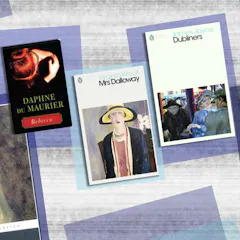
Many literary masterpieces are long and wordy, But reading them can bring surprising benefits, beyond sheer pleasure. Here’s how to tackle the classics.

Pyrrhus was said to have remarked that one more victory would leave his kingdom ‘utterly ruined.’ Some see echoes in US interventions in the Middle East.
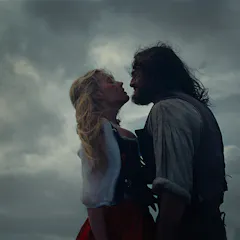
Heathcliff sneeringly rejected the idea he was ‘a hero of romance’ – though the new film claims Wuthering Heights as the greatest love story of all time. Is it?
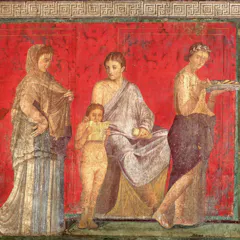
The oldest known writing dates to around 5000 BCE. It origins are mysterious.
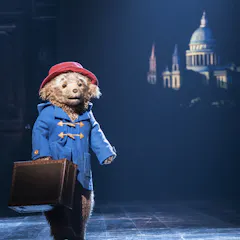
On his journey to find home he must overcome all sorts of evil.

We can probably safely assume Rome, in many areas, was likely pretty dirty and rank-smelling. That said, there’s evidence of perfumes, incense and even deodorants.
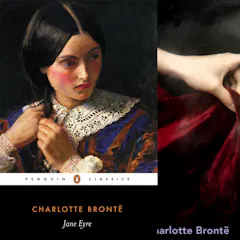
Charlotte Brontë’s first-person masterpiece is a landmark in the novel of interiority, the history of feminism, and the representation of religion and race.
Sure, the ancients went on holidays for a rest and to cure illnesses. But they didn’t always come back healthy.

As the election nears, it seems everyone is afraid.
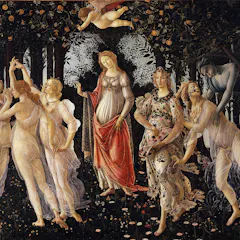
Figurines of warriors and hunters dedicated to Aphrodite at her temples indicate that she had a widespread following among military men.
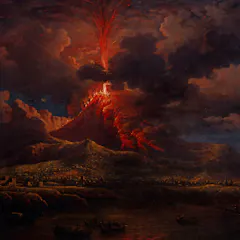
The story of the eruption of Mount Vesuvius is no longer one of annihilation; it also includes the people who managed to escape the city.
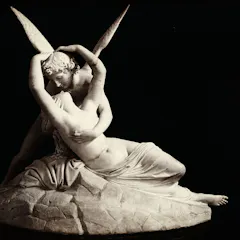
Conventional stereotypes about romance portray it as a passionate, irrational game. Ancient philosophers, on the other hand, viewed love as something dangerous − but also enlightening.
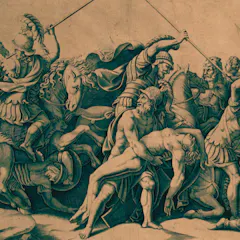
Reading Wilson’s Iliad, one senses something of the chant of Homer’s verse, even through the written word.
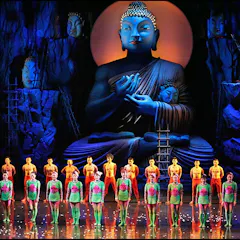
There is a long tradition in China of associating monkeys with the mind – symbolism that has helped the novel’s most memorable character, the Monkey King, find universal resonance.

Writing about same-sex relationships and gender beyond a strict male-female binary was more common in ancient Greece and Rome than students assume, a scholar writes.

In the 1957 worldwide bestseller, Australia is – briefly – the last habitable place on earth, following a nuclear world war. One character asks, as they wait to die: ‘Why did all this happen to us?’
Top contributors
-

Lecturer in Classical Studies, The Open University
-
Emeritus Professor of Classics, La Trobe University
-
Senior Lecturer in Classical Studies, The Open University
-
Lecturer in Classics and Ancient History, The University of Western Australia
-
Paul Eliadis Chair of Classics and Ancient History, The University of Queensland
-
Assistant Professor of Writing, USC Dornsife College of Letters, Arts and Sciences
-
Professor of Classical Studies, Brandeis University
-
Professor of Classics and Head of the Centre for Classical Studies, Australian National University
-
Visiting Research Fellow, The Open University
-
Professor of Greek Culture, University of Leeds
-
Honorary Professor of Classics and Ancient History, School of Historical and Philosophical Inquiry, The University of Queensland
-
Senior Lecturer in History, The Open University
-
Professor of Education and Sociology, American University
-
Assistant Professor of Classics, University of Cambridge
-
Reader in Classical Studies, The Open University