

Much of what they said seems as relevant now as it did 2,000 years ago, even though we might question some of their methods.
Articles on Ancient history
Displaying 41 - 60 of 145 articles
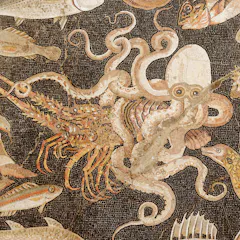
Through reports and testimonies from everyday people, ancient polymaths were able to learn a great deal about the natural world. But sometimes it was hard to separate fact from fiction.
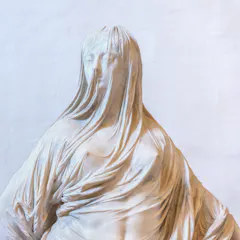
The inviolability of Vestals was predicated on their virginity, which entirely defined their social powers. The control of their sexuality was synonymous with the welfare and politics of the state.
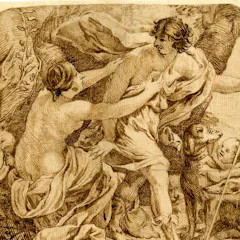
People in Ancient Greece and Rome were just as obsessed with falling in love as we are. And their romantic tribulations bring plenty of timeless advice.
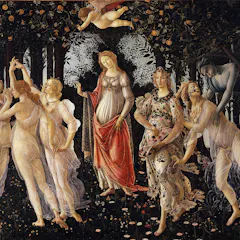
Figurines of warriors and hunters dedicated to Aphrodite at her temples indicate that she had a widespread following among military men.
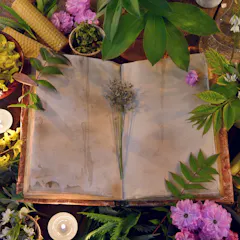
Perfume has complex and fascinating links to ancient chemistry.
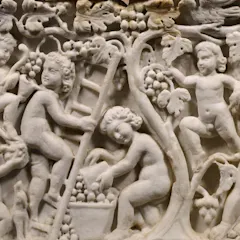
Shouting, squelching, singing, constantly moving, ancient urban wineries were an assault on the senses
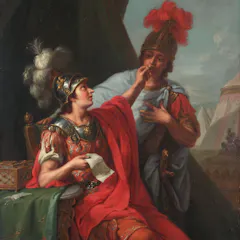
The ancient evidence suggests Alexander was particularly close with one of his male companions. But how close exactly?

Historians know a fair bit about Herod the Great, the king of Judea at the time of Jesus’ birth.

Modern reactions to unidentified aerial phenomena (UAPs – what you might think of as UFOs) are similar to those of thousands of years ago.
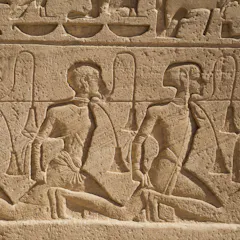
There was no one type of slavery in ‘biblical’ or ‘ancient’ societies, given how varied they were. But much of what historians know about slavery during those eras is horrific.
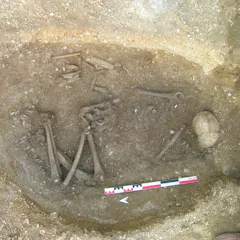
In the largest study of its kind, researchers have used DNA from a 6,700-year-old cemetery in France to reconstruct the lives of everyday Neolithic people.

Machu Picchu is now an iconic tourist destination in Peru – but it was once a royal palace that pulled people from all corners of the Inca empire.
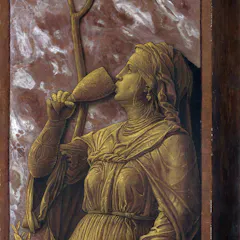
Despite wine’s centrality to the everyday life of the Romans, the ancient sources continuously attest it was a problematic drink when consumed by women.

Researchers examined whether kissing is an innate human activity or whether its origins are relatively recent.
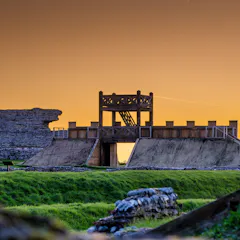
The gate has been built on the site of an actual Roman gateway, thought to date to the invasion of Britain in AD 43.
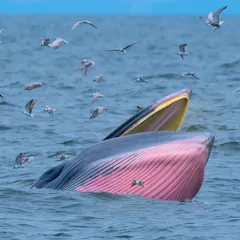
The gaping maws and great belch of the Norse ‘hafgufa’ may well have been a humpback whale simply engaging in trap-feeding.

Evidence in Earth’s natural archives, from tree rings to seafloor sediments, points to one trend. Some climate models suggest another.

There’s a long history in our society of period pain being played down, or just considered “normal”. But there’s plenty of evidence in the historical records that women have always experienced it.
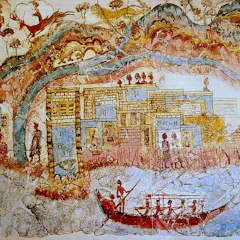
The new ‘docuseries’ makes grand claims about our ice age ancestors. Here’s why you should proceed with caution.
Top contributors
-

Lecturer in Classics and Ancient History, The University of Western Australia
-
Associate Professor in Ancient History, Macquarie University
-
Honorary Research Associate, Department of Classics and Ancient History, University of Sydney
-
Lecturer in Archaeology and Classical Studies, Adelaide University ; School of Advanced Study, University of London
-
Professor in Archaeology, University of Bristol
-
Research Associate, Institute for Prehistory and Early History and Medieval Archaeology, University of Tübingen
-
Professor Emerita, Classical Studies, The Open University
-
Lecturer in Classical Studies, The Open University
-
PhD Candidate in Classics and Archaeology, The University of Melbourne
-
Senior Lecturer in Ancient History, Cardiff University
-
Senior Lecturer in Classical Studies, The Open University
-
Professor of Classics and Head of the Centre for Classical Studies, Australian National University
-
Assistant Professor of Classics, University of Cambridge
-
Associate Professor of Greek History, The University of Queensland
-
Lecturer in Roman Archaeology and Art, Royal Holloway, University of London