

Alzheimer’s is one of the most dreaded and difficult diseases, and it has been notoriously difficult to diagnose. Could that change in the coming years with the advent of new blood tests?
Articles on Alzheimer's disease
Displaying 261 - 280 of 448 articles

Many chronic diseases increase our risk of Alzheimer’s disease. This link between our bodies and our brains means certain healthy choices could protect our cognitive function.

An enzyme called TOR could hold the secret to a longer, healthier life.

Some previous research suggests people living in rural areas may be at a higher risk of developing Alzheimer’s disease. But these results tell a different story.

People with Alzheimer’s disease have lower rates of type 2 diabetes than the general population.

With fear of a diagnosis of Alzheimer’s a constant concern for many seniors, they turn to supplements. A recent study suggests they’d be better off keeping their money.
After the failure of multiple drug trials the outlook for an Alzheimer’s drug is bleak. This shouldn’t be a surprise. We don’t know the cause or even how to diagnose the disease.
Protein tangles have been blamed for causing Alzheimer’s – but drugs that target them keep failing.
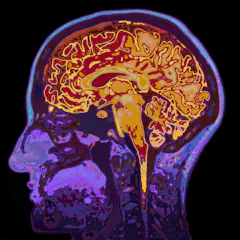
Not all drug development needs to start from scratch. Sometimes researchers discover that a drug developed for one disease can be used for another. Here a cancer drug may show promise for dementia.

Our ability to smell is a function of the brain, so it makes sense that an impaired sense of smell can point to cognitive decline. The good news is training our noses may be effective.

When nerve cells in the brain pass electrical signals to each other, they create tiny electric fields that can be sensed from outside the skull.

Many pieces leading to Alzheimer’s disease have been identified. To put the pieces together, one scholar argues that the government should launch a Manhattan Project-scale effort to find a cure.

We were the first to make the connection between P. gingivalis and fully diagnosed Alzheimer’s disease. While evidence of a link is growing, it must be interpreted in context.

Research is revealing many ways in which we can reduce our dementia risks – from eating a Mediterranean diet and exercising, to playing games and studying for degrees.

Research milestones in the study of memory may help us find solutions to memory disorders like Alzheimer’s or recovery from brain trauma.

Air pollution is bad for our heart and lung health – and a new study says it may be bad for brain health, too.

Biological research can inspire technological innovation. Also, software that models computer networks can inform health care for patients with neurological disorders.
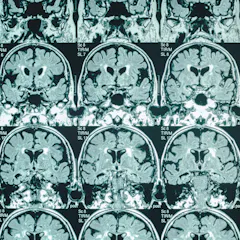
The Trump administration has banned NIH researchers from using fetal tissue. The tissue is an essential tool for scientists investigating diseases ranging from Alzheimer’s to Zika virus infections.

People with Down syndrome are at much higher risk of dementia than the general population. Knowing when cognitive changes start is critical for developing new drugs.
A new type of drug blocks the destruction of neurons in the eye, preventing blindness. The researchers hope that the same therapy can be applied to other common neurodegenerative diseases.
Top contributors
-

PhD Candidate, Neuroscience, University of Sheffield
-
Research Fellow in Neuroimmunology, UCL
-
Professor of Biological Psychology, Loughborough University
-
Professor of Chemistry and Senior Scientist of the Krembil Research Institute, University Health Network, University of Toronto
-
Head of Clinical Services, Dementia Support Australia, & Associate Professor of Psychiatry, Monash University
-
Professor Emeritus of Molecular Neurobiology at the University of Manchester and a Visiting Professorial Fellow, University of Oxford
-
Associate Professor, Turner Institute for Brain and Mental Health, Monash University
-
Professor of Neurology and Neuroscience, University of Florida
-
Host, The Conversation Weekly Podcast, The Conversation
-
Professor of Neurology, UCL
-
Post grad student at University of Edinburgh, University of Edinburgh
-
Associate Professor in Cellular Neuroscience, University of Reading
-
Professor of Psychology in Epidemiology, UCL
-
Étudiant au doctorat en psychologie, Université du Québec à Montréal (UQAM)
-
Affiliate Professor, Department of Family Medicine, McGill University