

‘Dementia friendly’ communities seek to support people with memory loss, recognize them as equals, celebrate their contributions and enable them to live with purpose in welcoming communities.
Articles on Alzheimer's disease
Displaying 221 - 240 of 448 articles

Adaptable neurons are tied to learning and memory but also to neurological disorders. By studying fruit flies, researchers found a mechanism that controls neuroplasticity.

A neuroscientist and a clinician watched two new films about dementia. They recognised what they saw.

If so, it’s just one lifestyle risk among many others.

Nanodiamonds aren’t just cellular bling: they could be used to better understand the development of cancer in our cells.
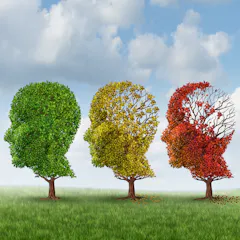
It was first officially described 115 years ago, but we still do not have a cure for Alzheimer’s disease. The human brain is extremely complex, and Alzheimer’s is its most complex disease.

The final piece in the dementia puzzle is at the door.

Because dementia patients are more likely to acquire COVID-19, and because so many live in close-quarter facilities – like nursing homes – it’s critical to vaccinate them as quickly as possible.
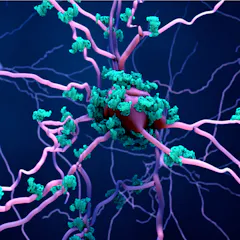
The researchers developed a molecule which works to stop toxic proteins from building up in the brain.

In this new study, people who were overweight had fewer brain cells and lower levels of blood flow compared to people of a normal weight.
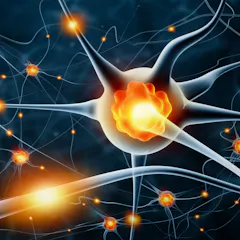
Knowing what cells are more vulnerable could some day help researchers know why these cells are more vulnerable than others.

The tiny air pollutants known as PM2.5, emitted by vehicles, factories and power plants, aren’t just a hazard for lungs. A study finds more brain shrinkage in older women exposed to pollution.
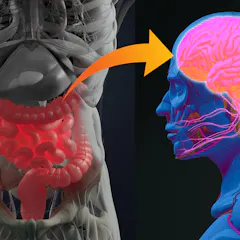
Our gut microbes play a key role in sending and receiving signals that influence the brain.

New statistics show that people with dementia have been particularly vulnerable during the pandemic.
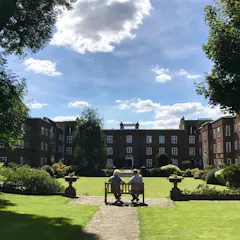
Architects need to learn to see dementia not as a disease but as a disability, and shift the design focus to spaces that can help maintain the everyday functions of people with the condition.
Dementia and depression are two diagnoses that rob older adults of health and happiness. Despite their obvious differences, it is becoming ever more apparent that the two conditions are connected.

Drinking at “safe” levels was shown to reduce the amount of a person’s total brain tissue.
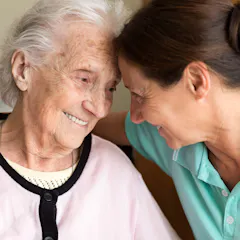
September is Alzheimer’s Awareness Month and therefore a good time to talk about dementia. Alzheimer’s is the most common dementia, but there are others to be aware of, a gerontologist explains.
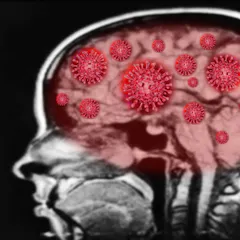
Many patients suffering from COVID-19 exhibit neurological symptoms, from loss of smell to delirium to a higher risk of stroke. Down the road, will COVID-19 survivors face a wave of cognitive issues?

The social isolation older adults are experiencing as they try to stay safe from the coronavirus pandemic is raising new mental health risks, but people can take steps to protect themselves.
Top contributors
-

PhD Candidate, Neuroscience, University of Sheffield
-
Research Fellow in Neuroimmunology, UCL
-
Professor of Biological Psychology, Loughborough University
-
Professor of Chemistry and Senior Scientist of the Krembil Research Institute, University Health Network, University of Toronto
-
Head of Clinical Services, Dementia Support Australia, & Associate Professor of Psychiatry, Monash University
-
Professor Emeritus of Molecular Neurobiology at the University of Manchester and a Visiting Professorial Fellow, University of Oxford
-
Associate Professor, Turner Institute for Brain and Mental Health, Monash University
-
Professor of Neurology and Neuroscience, University of Florida
-
Host, The Conversation Weekly Podcast, The Conversation
-
Professor of Neurology, UCL
-
Post grad student at University of Edinburgh, University of Edinburgh
-
Associate Professor in Cellular Neuroscience, University of Reading
-
Professor of Psychology in Epidemiology, UCL
-
Étudiant au doctorat en psychologie, Université du Québec à Montréal (UQAM)
-
Affiliate Professor, Department of Family Medicine, McGill University