

Areas of the brain are being mapped, much like the towns, cities and countries represented in a typical atlas.
Articles on Alzheimer's disease
Displaying 321 - 340 of 448 articles
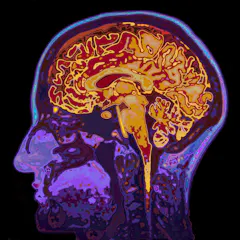
Many case of dementia can be avoided, and it’s never too early to start taking preventative action.

A recent study finds that friends ought not let friends with dementia be lonely. The surprising part? Why staying friends is good for the friend without dementia as well as for the one who has it.

Activities that engage your brain, such as learning a new language and completing crosswords, as well as having high levels of social interaction, can reduce your risk of dementia.

Alzheimer’s disease is the most common form of dementia, but treatments are still far from successful in clinical trials. Here is what we know about the disease, and what is yet to be uncovered.

What does dementia feel like?

For couples, families or friends who share a significant song, the effects of music can be powerful and persistent, lasting well into old age, even piercing through dementia.

People with neurological disorders such as Alzheimer’s often have difficulty swallowing, a dangerous condition. Here’s why treatment of these illnesses should include attention to swallowing problems.

New research shows that exposure to fine particulate air pollution may double the risk of dementia in older women by increasing growth of beta-amyloid plaques in the brain.

Many brain training programs are based on the principles of neuroplasticity. But a new study shows that less than 40% are backed by proof of efficacy.

Vitamin B1 can reduce your risk of getting Alzheimer’s disease, but some groups, such as the elderly, aren’t getting enough.

There are a number of myths associated with what happens to our brain and bodies as we age.
Cells and processes in our body have existed for longer and longer periods of time.

High blood pressure is associated with an increased risk of developing dementia, but now researchers have found that it may be protective in the very old.

A study was reported to show caffeine protects older women from dementia. But looking closer at the research, we can’t truly claim coffee was the reason some of the women had a lower risk of dementia.

Testing some genes for Alzheimer’s disease, coeliac disease and folate conversion does not lead to improved health outcomes, and may create anxiety or false hope amongst patients.

An important cell function called endocytosis is revealing a lot about how Alzheimer’s develops.

Improvements in education and vascular health are likely partly responsible for a sharp decline in dementia over the past few decades. The trend may continue, if we also address obesity and diabetes.
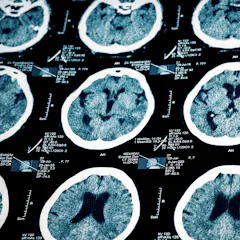
A disease that we have known about for more than 100 years still defies proper description and a consensus on how to tackle it.

Tiny particles of a mineral known as magnetite may be causing havoc with our health.
Top contributors
-

PhD Candidate, Neuroscience, University of Sheffield
-
Research Fellow in Neuroimmunology, UCL
-
Professor of Biological Psychology, Loughborough University
-
Professor of Chemistry and Senior Scientist of the Krembil Research Institute, University Health Network, University of Toronto
-
Head of Clinical Services, Dementia Support Australia, & Associate Professor of Psychiatry, Monash University
-
Professor Emeritus of Molecular Neurobiology at the University of Manchester and a Visiting Professorial Fellow, University of Oxford
-
Associate Professor, Turner Institute for Brain and Mental Health, Monash University
-
Professor of Neurology and Neuroscience, University of Florida
-
Host, The Conversation Weekly Podcast, The Conversation
-
Professor of Neurology, UCL
-
Post grad student at University of Edinburgh, University of Edinburgh
-
Associate Professor in Cellular Neuroscience, University of Reading
-
Professor of Psychology in Epidemiology, UCL
-
Étudiant au doctorat en psychologie, Université du Québec à Montréal (UQAM)
-
Affiliate Professor, Department of Family Medicine, McGill University