
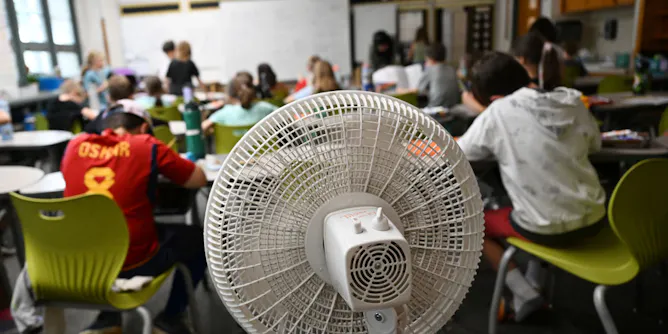
Mold spores, 90-degree classrooms and aging pipes: An environmental health expert explains why Pennsylvania’s old schools are harder on kids than adults.
Articles on Indoor Air Quality
Displaying 1 - 20 of 40 articles
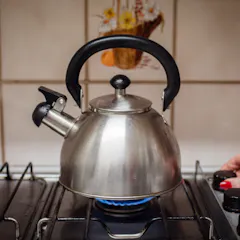
People with poorly controlled asthma may be able to breathe easier by making a change in the kitchen.

Ads from the 19th and 20th centuries shows how the industry has long tried to promote coal as clean and even healthy, despite evidence to the contrary.
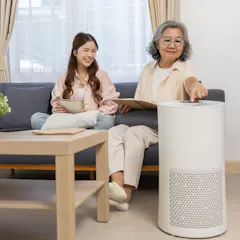
The gain isn’t huge, but it’s a notable improvement – similar to what people experience when they start exercising more.
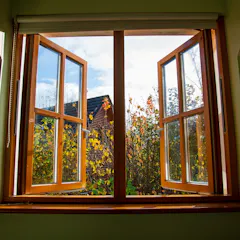
Opening windows clears germs and stale air –but timing matters. You don’t want to swap indoor pollution for outdoor exhaust.
An atmospheric chemist offers quick, easy and inexpensive suggestions to reduce indoor air pollution.
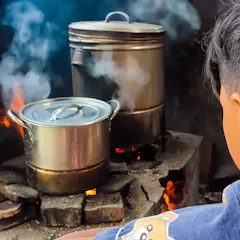
For nearly a third of the world, the most dangerous air is inside their own homes.
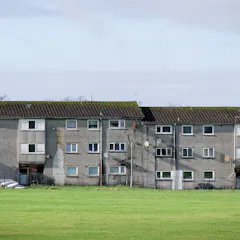
The ability to improve air quality in your home depends less on personal behaviour and more on who owns the building.

Unchecked airborne infections cost billions in lost health and productivity each year – likely more than the cost of better ventilation to clean up indoor air.

A new AI-powered simulation model allows researchers and architects to design well-ventilated indoor spaces that keep harmful smoke away.
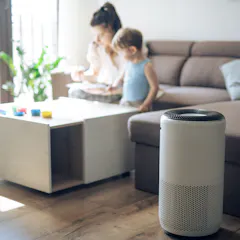
Manufacturers often make bold claims about how well these technologies work. Better testing would allow consumers and institutions to pick the most effective ones.
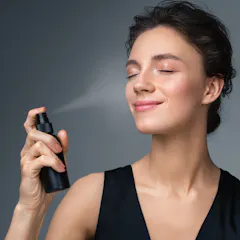
Personal care products, such as hairspray, perfume and deodorant, can contain potentially toxic chemicals. Here’s what you need to know.
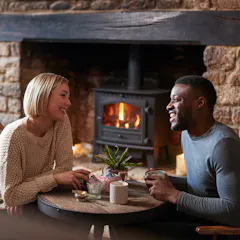
People who use solid fuel stoves as a secondary source of heating could consider stopping its use altogether. That really would be a breath of fresh air.
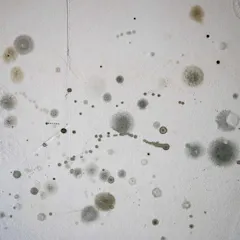
Mold growth happens in damp indoor areas and is difficult to prevent. It can be an annoyance but usually isn’t harmful to your health.
For many of us, COVID has become just a bad memory, despite its lasting and mixed legacies. While the media have largely lost interest in COVID, and people are now rather blase about it, the disease is still taking a toll.
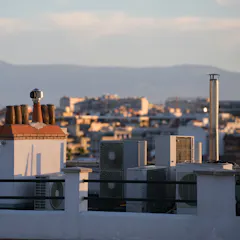
Ventilation systems pump polluted air from our homes – which contains particulate matter and methane – into the environment.

Any heater that burns fuel without adequate ventilation is dangerous in a home – and none are as safe or efficient as a reverse-cycle air conditioner.

A surprising number of new consumer tech products promise to improve air quality.
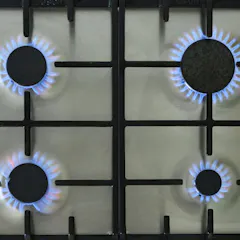
The natural gas industry has spent years trying to undermine scientific findings about gas stoves and health. If this sounds familiar, that’s no accident.

For students to learn in a safe, healthy environment, school administrators must deal with a myriad of potential environmental contaminants, from allergens to cockroaches.
Top contributors
-

Professor and Chair, Department of Environmental Health, Boston University
-
Adjunct academic, mycology, Flinders University
-
Associate Professor in Public Health at University of Limerick, University of Limerick
-
Senior Research Fellow, Woolcock Institute of Medical Research, Macquarie University and the South West Sydney Clinical School, UNSW Sydney. Affiliate, Centre for Safe Air., UNSW
-
Research Fellow in School of Public of Health, University College Cork
-
Postdoctoral Research Associate in Environmental Public Health, Harvard University; University of Liverpool
-
AI, Medicine and Data Justice Post-Doctoral Fellow, Queen's University, Ontario
-
Associate Professor of Anthropology & Department Chair, Northern Arizona University
-
Adjunct Professor of Architecture, University of Technology Sydney
-
Senior Research Associate, University of Cambridge
-
Professor of Mechanical Engineering, University of Colorado Boulder
-
Knowledge Broker, Centre for Safe Air (NHMRC CRE), and Adjunct Researcher, Media School, University of Tasmania
-
Senior Lecturer, School of Property, Construction and Project Management, RMIT University
-
Associate professor, University of Illinois Urbana-Champaign
-
Associate professor, Deakin University