
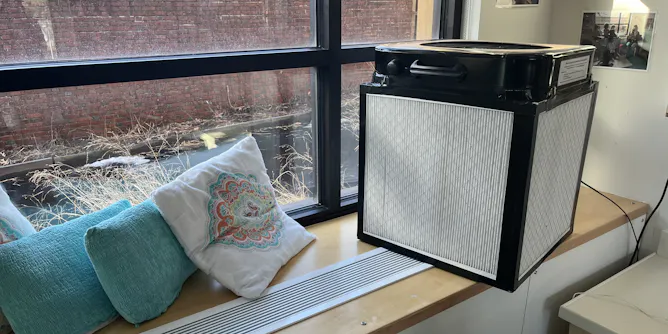
3D printers got a lot of attention when DIYers leapt to action to address equipment shortages early in the pandemic, but some everyday items found in hardware stores played a big role, too.
Articles on Air quality
Displaying 81 - 100 of 152 articles
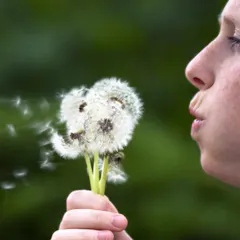
Imagine if every meal you ate included food previously chewed by someone else. That’s what’s happening to the air we breathe in shared indoor spaces.
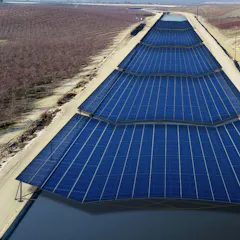
Covering the state’s canals with solar panels would reduce evaporation of precious water and help meet renewable energy goals – all while saving money.
Drive-throughs not only increase air pollution and emissions, but also contribute to a car-centred culture that we need to avoid.
COVID has given us the opportunity to ensure our air is as safe as our water. It needn’t be expensive.

Volcanoes might seem like nature’s incinerators, but using them to burn up trash would be dangerous and disrespectful to indigenous people who view them as sacred.
Southern California is on the front line of climate change, and recent survey data shows that residents are feeling its effects in many ways.
Beating COVID cannot rely solely on the efforts of vaccines – economic policy must robustly support the path to full recovery, starting with healthcare and ventilation.
Vaccines alone aren’t enough to protect against the highly contagious Delta variant.
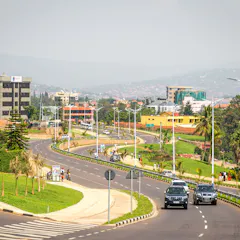
These results emphasise the high significance of the transport sector in Kigali’s air pollution levels and the need for further action to address air pollution from the sector.
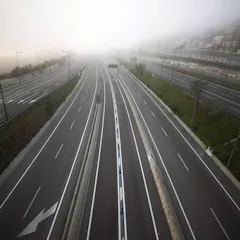
While most areas experienced a reduction in air pollution in response to lockdown measures, other areas saw only small improvements or even an air quality deterioration.
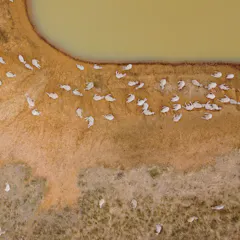
This is not an imaginary future dystopia. It’s a scientific projection of Australia under 3°C of global warming – a future we must both strenuously try to avoid, but also prepare for.
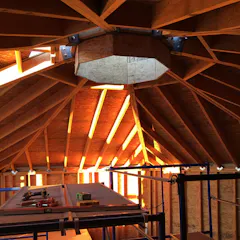
Poor indoor air on tribal lands can cause a range of respiratory illnesses, including viral infections. Here’s how people are fixing the problem while preserving traditional ways.

Exaggerating how much lockdown improved air quality could allow us to underestimate the scale of the air pollution problem.
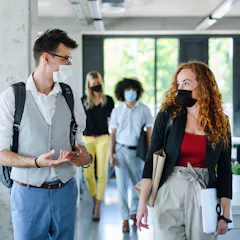
Studying how SARS-CoV-2, the virus that causes COVID-19, travels through indoor air spaces can help reduce transmission risk.
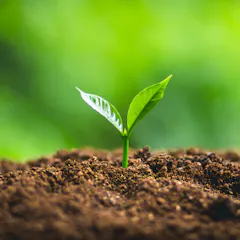
Healthy soils are vital for food, biodiversity, and a healthy planet, but this below-ground world is often overlooked. The launch of the State of Knowledge of Soil Biodiversity Report highlights this.
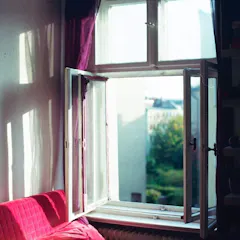
Being indoors with other people is a recipe for spreading the coronavirus. But removing airborne particles through proper ventilation and air filtration can reduce some of that risk.

By opening data, monitoring and reporting on air quality can be complemented by data from various sources to create more localised and relevant decision-support solutions.
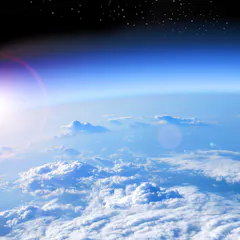
Despite this year’s coronavirus lockdowns, more CO2 has accumulated in the atmosphere than during the same period in 2017 or 2018.
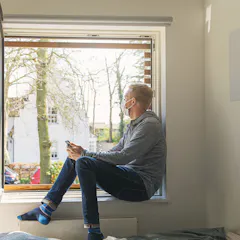
Good ventilation can reduce the risk of catching coronavirus. An environmental engineer explains how to know if enough outside air is getting into a room and what to do if ventilation is bad.
Top contributors
-

Associate Professor, University of Pretoria
-
Professor of Civil and Environmental Engineering, Rice University
-
Professor of Atmospheric Chemistry at the National Centre for Atmospheric Science, University of York
-
Professor of Chemical and Biochemical Engineering, University of Iowa
-
Professor of Mechanical Engineering, University of Colorado Boulder
-
Associate Professor of Chemical Engineering, The University of Melbourne
-
Senior Research Fellow, Woolcock Institute of Medical Research, Macquarie University and the South West Sydney Clinical School, UNSW Sydney. Affiliate, Centre for Safe Air., UNSW
-
Adjunct academic, mycology, Flinders University
-
Professor, University of Pretoria
-
Honorary Professor, School of Natural Sciences, Macquarie University
-
University of Iowa Distinguished Chair, Professor of Environmental Health, University of Iowa
-
Adjunct Professor of Architecture, University of Technology Sydney
-
Professor of Atmospheric Science, University of Birmingham
-
Professor, Faculty of Health Sciences, Simon Fraser University
-
Assistant Professor, Faculty of Health Sciences, Simon Fraser University