

A newly identified meteor shower reveals that intense heat is fragmenting a previously unknown asteroid as it passes too close to the Sun.
Science + Tech – Articles, Analysis, Opinion
Displaying 251 - 275 of 4773 articles
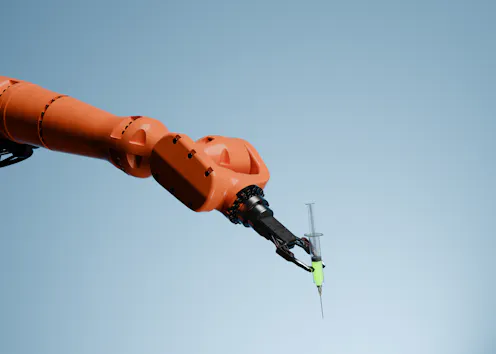
Researchers have found that even people with limited experience in biology can use AI to help them create a dangerous pathogen.

When I talk about my anthropological fieldwork, many Americans are shocked to learn that “living on a nuclear test site” is even a logical statement.
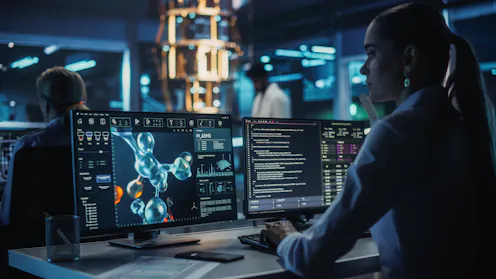
AI is reshaping biomedical research and drug discovery and delivery. But challenges still exist.

Not all spider venoms are created equal. Some are harmless to people, while others can be quite dangerous.
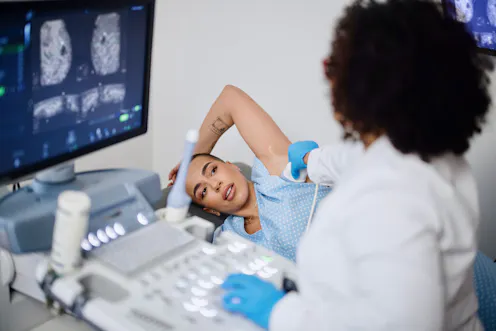
Ultrasound is often used in breast cancer screening, but it can often provide inconclusive results. Combining it with near-infrared light can help patients avoid the anxiety and cost of a biopsy.

A cyberattack on a US corporation illustrates how state-aligned hackers operate, and how damage in war today isn’t always readily visible or geographically confined.

Commercial data centers have become critical infrastructure, supporting everything from financial transactions to government services. And critical infrastructure is often targeted in war.
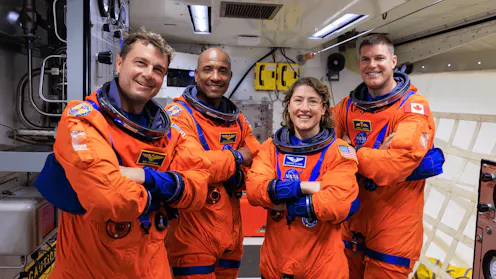
Victor Glover will become the first Black astronaut to orbit the Moon – but he is part of a long line of Black explorers, many forgotten through history. New research is giving York his due.
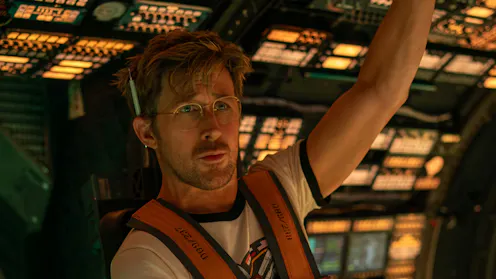
Curiosity and an openness to new ideas help Ryland Grace, the movie’s protagonist, navigate new discoveries about life in the universe.
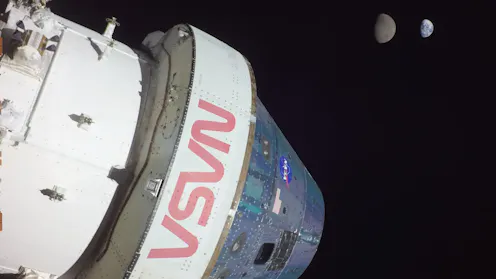
NASA’s Artemis II mission took decades of policymaking, engineering and financial support.
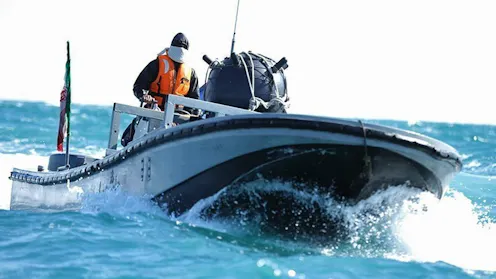
The Iranian government uses the threat of sea mines to control access to the Strait of Hormuz, a narrow sea lane that is vital to the global economy.
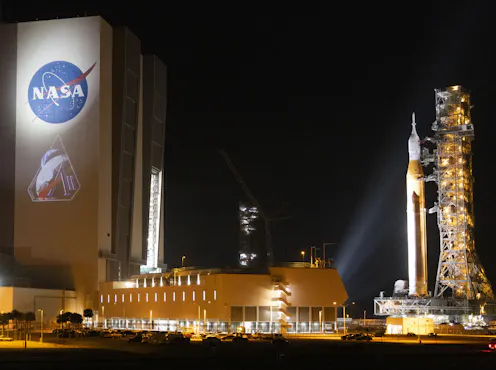
It’s about more than just beating China. As a space lawyer puts it, a Moon base would come with strategic, economic and scientific advantages.

Genetic testing is now required to participate in women’s events in the Olympics. But the new policy oversimplifies biological sex and risks discrimination against some female athletes.

When the Trump administration took aim at higher education and the scientific research enterprise, a university dean had to figure out on the fly how to support scientists and their work at his school.

While direct evidence of multiple universes is hard to come by, indirect evidence raises intriguing possibilities.

Researchers are using machine learning models to identify gentrification in imagery. Community insights help keep the models on track
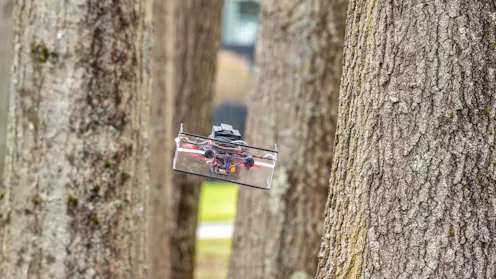
Inspired by bats, a new ultra-low-power sensing system enables tiny drones to navigate through darkness, smoke and dust, where cameras and other light-based sensors fail.
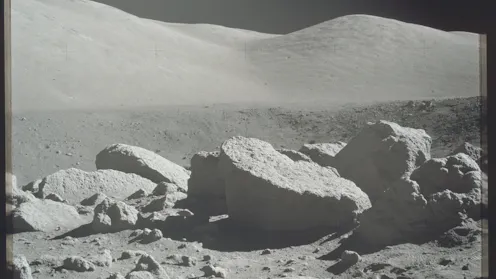
A chemical signature in a lunar rock offers new insights into what early oxygen conditions were like on the Moon.
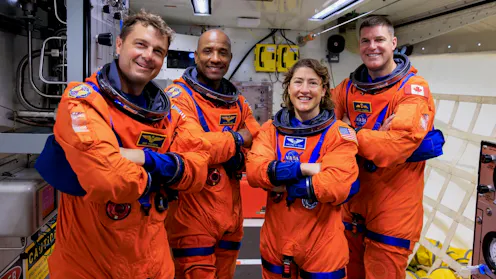
Space is extremely dangerous, but people can still do more than robotic explorers can – in terms of technical achievements and inspiring public interest.
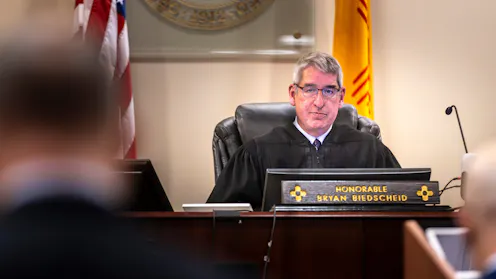
The verdicts in a case against Meta and another against Meta and Google have the potential to change how social media works – and it has little to do with financial penalties.

Once-lethal insecticides now require concerningly high concentrations to effectively kill mosquitoes. Some mosquitoes are already immune to all classes of insecticides used to control malaria.
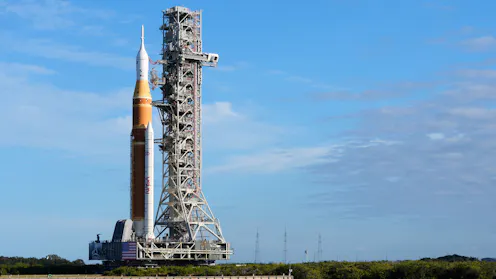
Artemis II will test the life control systems on the Orion spacecraft and, if all goes well, take a trip around the Moon.

Elite athletes miss plenty of shots during March Madness and the NBA playoffs. Training both brain and body can help even beginners and novices get more net.

Keeping a tiny brain area called locus coeruleus functioning properly may stave off symptoms of Alzheimer’s disease and keep the aging brain healthy