
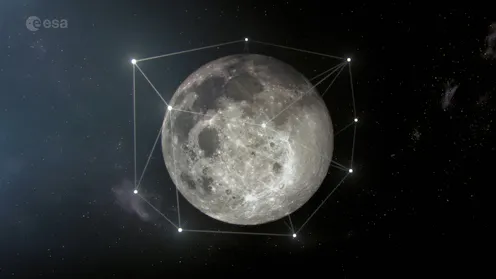
The US doesn’t currently have much ability to monitor what’s going on in the space around the Moon. An effort by the Air Force Research Laboratory could help.
Science + Tech – Articles, Analysis, Opinion
Displaying 476 - 500 of 4771 articles
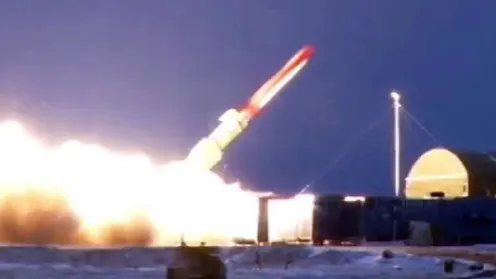
The Russian military claims to have flown its Burevestnik nuclear-powered cruise missile 8,700 miles over 15 hours.

Paleoanthropologists have thought that Homo habilis was the first stone-tool maker and meat-eater in our genus. But new research suggests H. habilis might not have been so advanced.
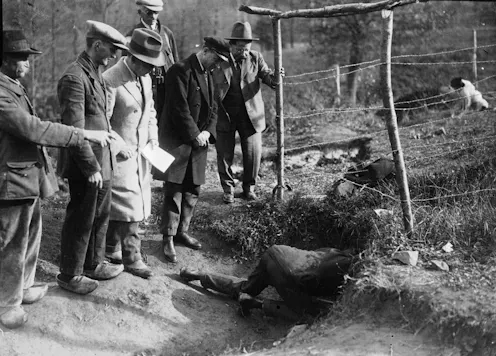
A century-old French archaeological scandal was sensationalized in the press at the time – but responsible scientists also relied on careful reporting to get the truth out.
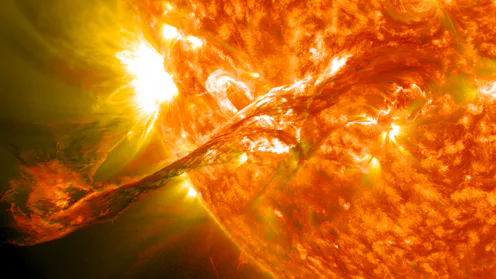
From communications outages to a brush with nuclear war, solar events like flares and coronal mass ejections have shaped human history.

Workplace productivity and educational challenges get the headlines, but it turns out that ChatGPT and its ilk are more likely to be used for household tasks.

3D woven baskets are geometrically sophisticated, with some incredible properties that engineers can use to design materials and technology.

US farmers grow over 1 billion pounds of pumpkin each year.
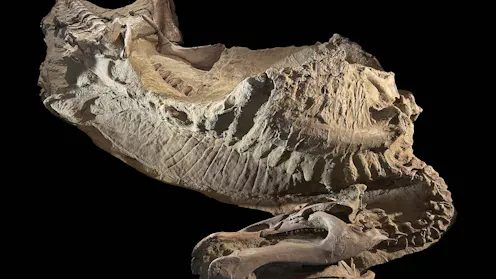
A clay layer one-hundredth of an inch thick preserves the fleshy details of dinosaurs buried suddenly in east-central Wyoming.
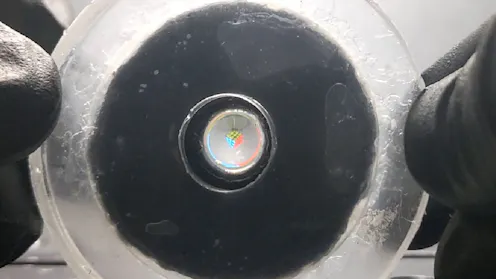
This lens modeled on biological eyes could make it easier to give soft machines and bio-safe tools the ability to see.
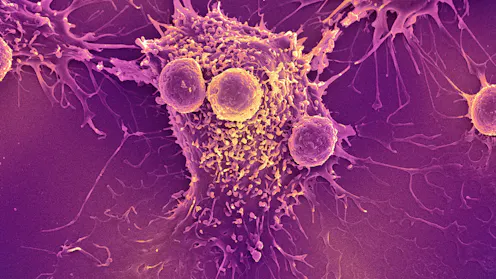
The researchers found that mRNA-based COVID-19 vaccines could potentially help patients whose tumors don’t respond well to traditional immunotherapy.
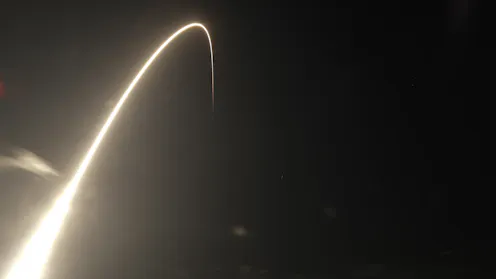
While a recent executive order directed the Department of Commerce to elevate this office, budgetary actions threaten it.
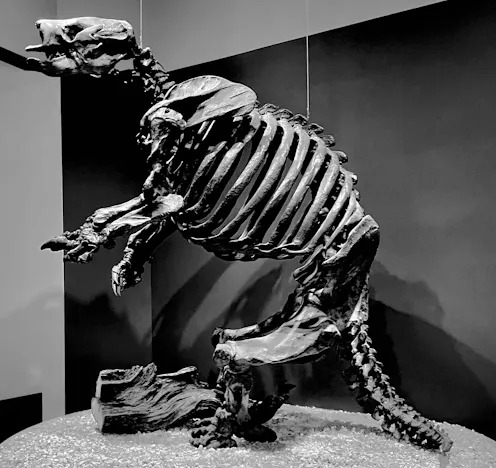
Researchers often rely on fossil teeth for clues about what extinct animals ate. Giant ground sloths’ teeth have been tricky to analyze, though – until now.
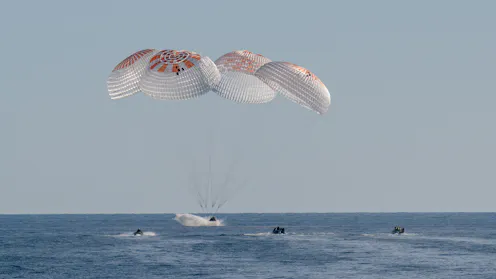
Astronauts generally can’t look out the window like you might in a car – a ‘virtual window’ could instead serve that purpose.

Simplistic stories about the dangers of polygamy can be compelling and intuitive. But new research suggests some arguments about its harms don’t hold up.

Data analytics, putting safety out of bounds for competition, and collaboration among industry, labor and government are key to reducing a technology’s risks.
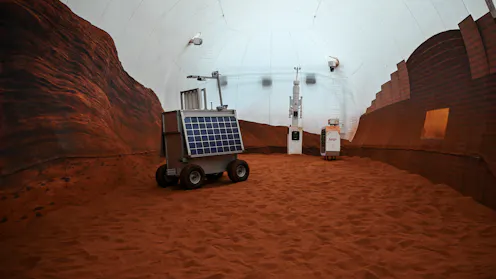
A planetary scientist who has participated in analog missions describes their value for planning space exploration – and learning about extreme environments on Earth.
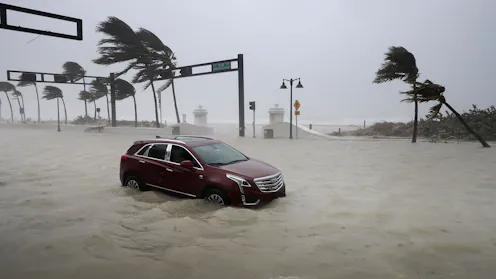
Storm surge is the No. 1 cause of deaths and damage during a hurricane, yet detailed storm surge forecasts are difficult to create. AI could turn that around.

AI agents are poised to do your online shopping for you, with major consequences for the e-commerce industry – and your ability to make choices.
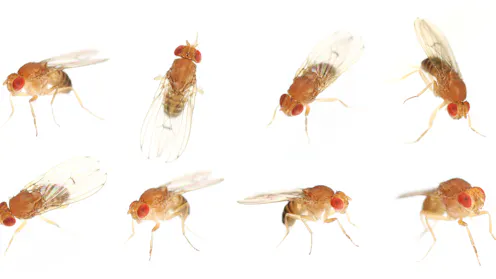
Variability in traits and increased individuality in behaviors is something that can evolve in response to selection, definitely in the lab and potentially also in nature.
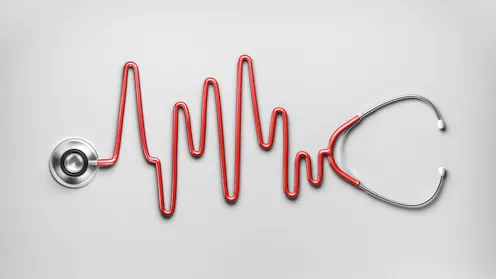
With the help of AI, doctors might be able to detect heart disease before it becomes audible to the human ear.

Conversations around misinformation that assume everyone cares about literal truth may be missing the point.
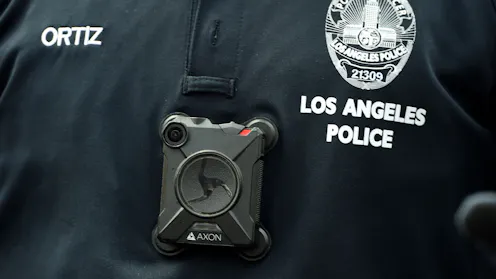
AI-generated police reports promise to save cops time, but they also raise a host of legal and technical concerns.
Ultrasound is perhaps best known as an imaging technique to monitor pregnancy or disease. When these sound waves are highly concentrated, however, they can be used to treat a host of diseases.
Super short X-ray pulses help scientists study materials at the atomic level. Researchers found that certain lasing effects can make these pulses even shorter.