
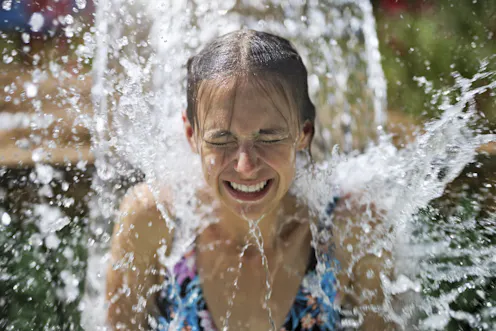
You can feel wet when you can see water and when you can’t see water. You can also feel dry even when there’s a lot of water vapor in the air – like during a fire.
Science + Tech – Articles, Analysis, Opinion
Displaying 226 - 250 of 4773 articles
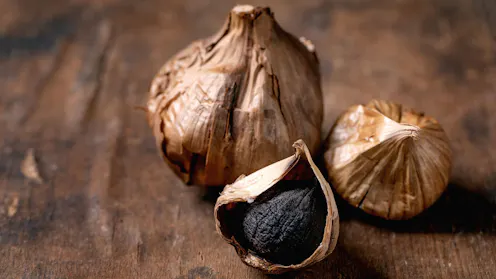
A food chemist explains how black garlic is made, and how its health benefits are promising but still under-researched.
People who interacted with different AI chatbots in a study didn’t realize the bots were including veiled advertising in their replies
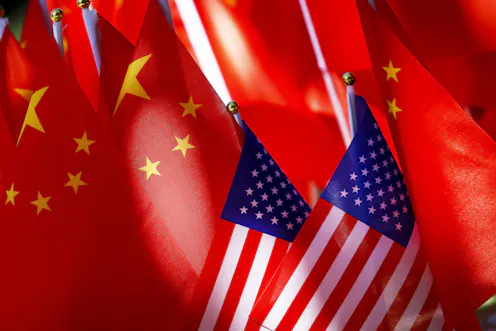
Scientific innovation has been driving US economic growth for decades. Losing that edge means losing access to the technologies and brainpower that come with it.
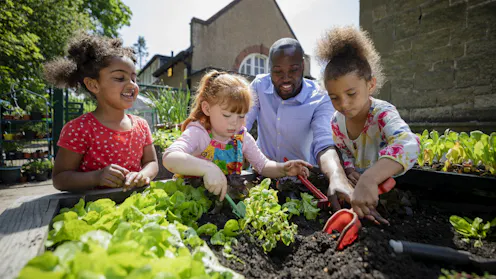
In an urbanized and globalized world, most kids aren’t directly connected to agriculture. School gardens can help them learn where their food comes from.
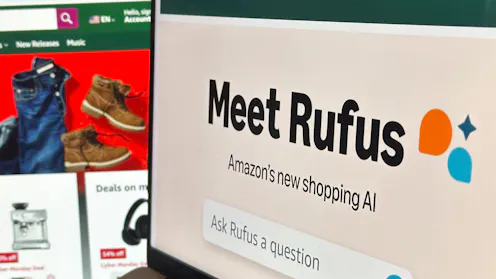
Retailers are racing to hand your shopping over to AI. Consumers are right to be wary – and not just about privacy.

Genetics may only partially determine a newborn’s risk of developing Type 1 diabetes. Screening umbilical cord blood could lead to earlier treatments to prevent or reduce disease.
To augment information about you that it collects directly, the US Government is buying less-regulated information harvested by cameras, cellphones and apps and sold on the commercial data market.
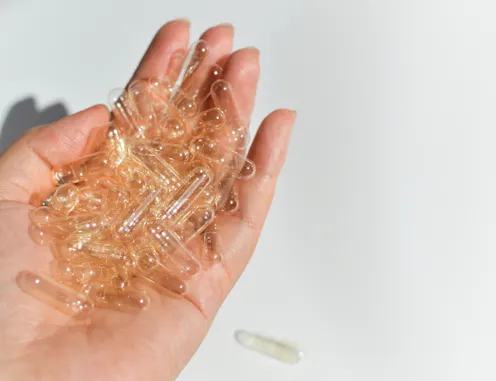
The placebo effect is more than just mental – it’s a biological system that can measurably improve a patient’s symptoms. But someone else needs to activate it – creating a risk of manipulation.
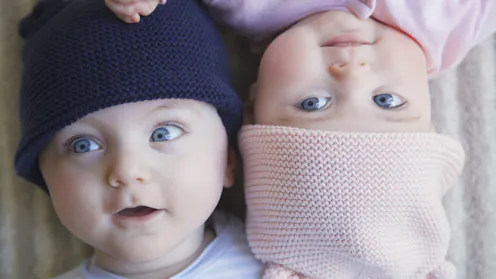
Pulling together the results of 40 experiments done by different teams over decades, researchers found that infant boys and girls equally tune in to human faces and voices.
Science itself isn’t ‘truth,’ but it is an activity with the goal of getting closer to the truth.
When people know someone used AI to write a message, they see the person as lazy or insincere.
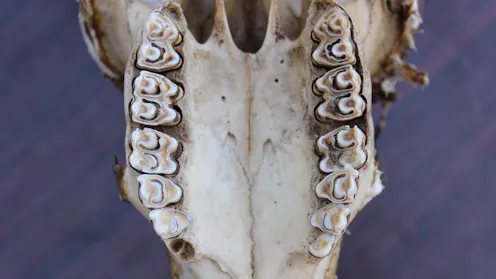
Through fossilized tooth enamel, scientists are reconstructing the diets and landscapes that existed millions of years ago. We really are what we eat.
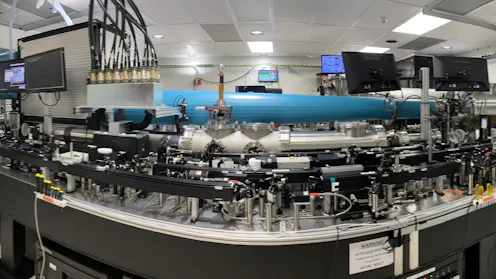
It would take hours to set up the perfect shot at the Texas Petawatt Laser facility. Once it fired, the beam released an incredible amount of energy.
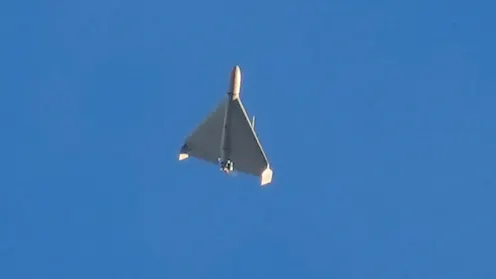
One-way attack drones have changed the face of the Russia-Ukraine war and give Iran a boost in countering US and Israeli forces.
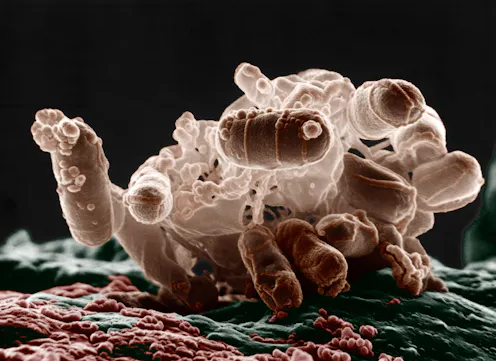
Bacteria don’t quietly die when exposed to antibiotics – they actively respond in ways that in turn change how your body responds to infection.
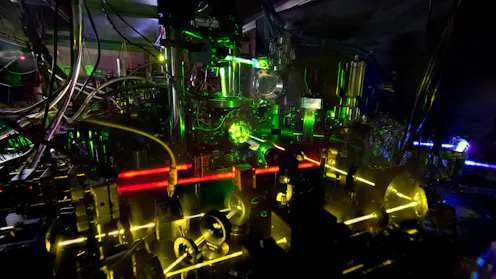
Atomic clocks undergird modern timekeeping. A nuclear clock could be even more precise.

Estimates of artificial intelligence’s impact on jobs and the economy range from the apocalyptic to the utopian, but the data tells a more nuanced story.
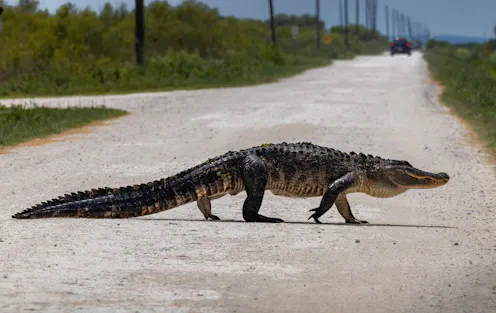
A new mapping tool allows local governments, conservation groups and landowners to understand how their land-use decisions affect wildlife and natural resources.
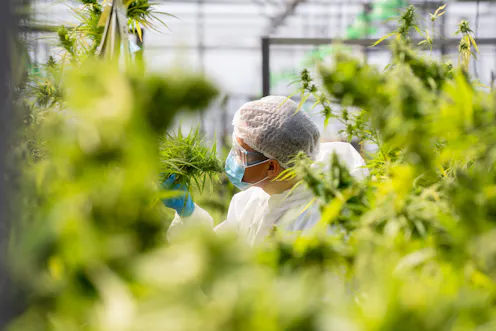
Legal recreational cannabis use comes with an increase in innovation – but tends to focus on what marketers and businesses are interested in, rather than health benefits and risks.

Push through, stay strong, fight back – people often think of resilience as being tough and having grit. But research suggests it’s more about acknowledging the scars as you continue to move forward.
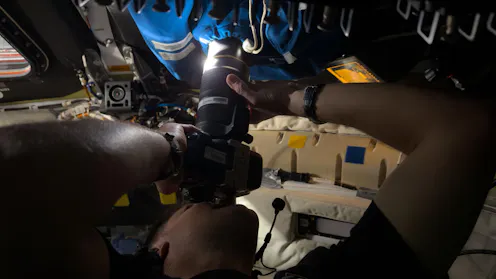
A photography expert explains how a photographer makes artistic decisions that an AI algorithm or robot can’t replicate.
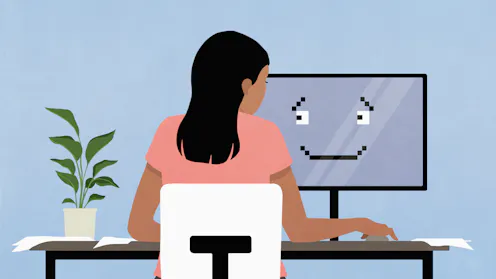
The persona an AI chatbot presents can not only influence your behavior, but even your physiological responses.
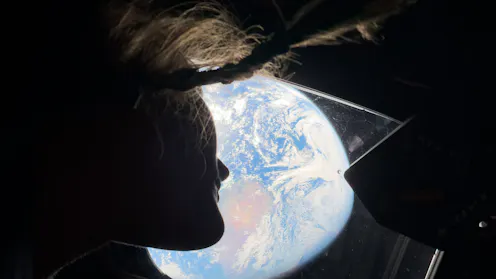
A space historian explains how the Artemis II crew reimagined some Apollo-era photos and found spectacular new angles.
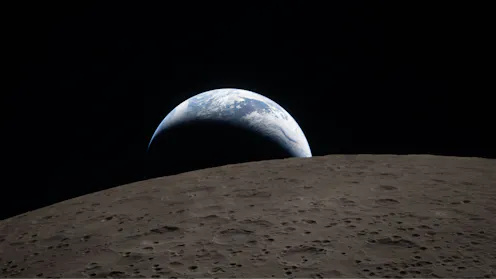
Going to the Moon isn’t just about science. Novelist Jules Verne predicted some of the societal ramifications modern lunar missions are creating today.