

Concerns about shortages of interceptor missiles in the conflict between the US and Iran highlight the challenges of defending against missiles and drones.
Science + Tech – Articles, Analysis, Opinion
Displaying 301 - 325 of 4773 articles
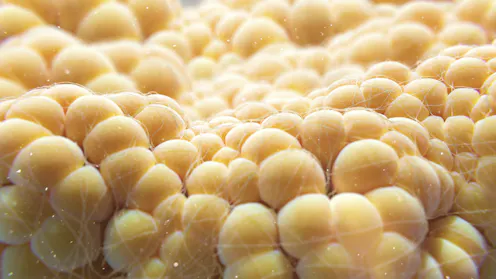
GLP-1 drugs like Ozempic and Wegovy aid in weight loss by suppressing appetite. Researchers are looking next at how the body expends energy – including through fat.

People and computers perceive the world differently, which can lead AI to make mistakes no human would. Researchers are working on how to bring human and AI vision into alignment.

Petrochemicals derived from oil and fossil fuels underlie the production of many consumer goods − and many you wouldn’t know from looking at the final product.
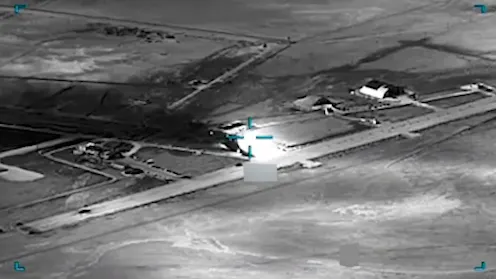
Anthropic’s Claude is helping the US military choose targets to strike in Iran, but responsibility for the accuracy, strategy and ethics of the decisions rests with humans.

Gold and platinum are found in space, created when two stars collide. Astrophysicists can even trace this process further back, to the merger of galaxies.

The ancient Greek word phronesis means practical wisdom. It’s about choosing the right action at the right time for the right reasons, helping you apply the other virtues correctly.

It makes sense for companies and organizations to outsource key internet services, but with those services in the hands of a few corporations, failures have a wide impact.
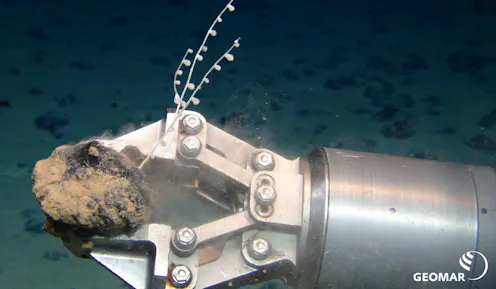
Critical minerals are found in several forms in the ocean, from potato-size nodules to brine pools. They are also in some of the least understood parts of our planet.
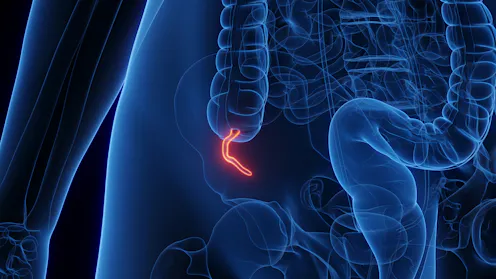
The appendix has independently evolved at least 32 times across 361 mammalian species. What makes it an evolutionary darling when it’s more of a medical liability today?
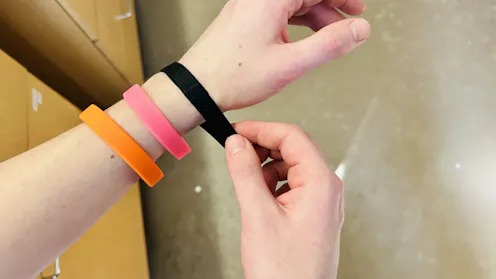
From wearable samplers to passive environmental monitoring, new research is changing how scientists observe chemical exposure – without invasive sampling.

A lawsuit against Meta and Google avoided the issue of liability for content and focused on allegations that social media platforms themselves are harmful by design.

Public health campaigns had made significant strides toward eradicating diseases like elephantitis and river blindness. But this progress has since unraveled with the second Trump administration.
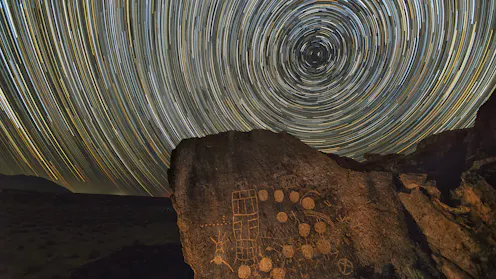
From Earth spinning on its axis and orbiting the Sun to it precessing like a top, lots of factors affect which stars you can see in the sky.

Using drones makes detecting land mines safer. Using AI to fuse data from multiple types of sensors on the drones makes it more efficient.

Being left- or right-handed – and the paw, eye, fin and wing equivalents – is a product of genes, development and the environment.
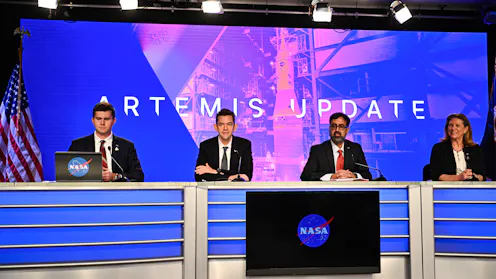
Artemis II has been plagued by similar issues to those faced by its predecessor, leading NASA to shake up its plan to return humans to the Moon.
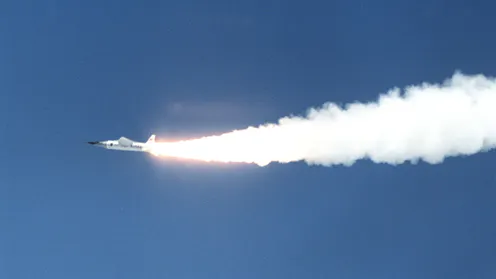
AI models are designing new metal alloys that have been 3D-printed and tested in the lab. The results are then fed back into the AI to accelerate alloy discovery.
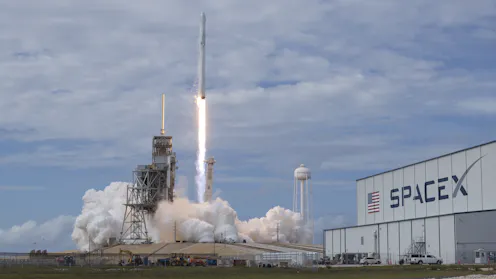
What does it mean for national security if access to Earth’s orbit depends largely on one company?
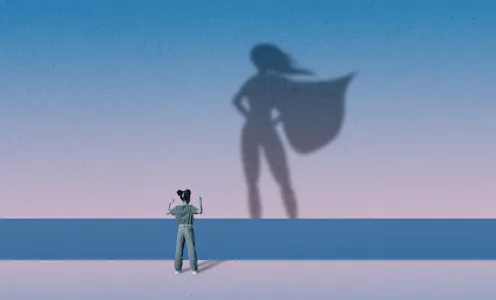
Heroes take a personal risk for the common good. Some people may just be born with the personality traits of a hero – but anyone can get ready to act heroically.

Tiny particles bounce light around in a unique way, a property that researchers are using to detect pollutants in water and soil samples.

By listening in on their nightly hunts, scientists discovered that small, fringe-lipped bats are unexpectedly able to efficiently take down prey nearly their own size.
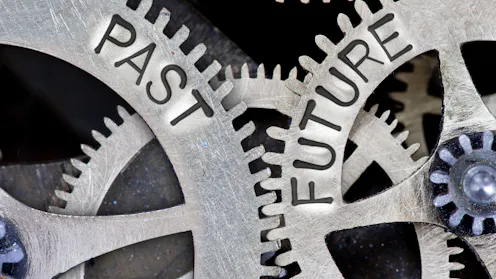
An anthropologist’s new book lays out the formula for human innovation, from stone tools to supercomputers. Depending on developments in the next few years, AI could hit the gas or the brakes.

Your immune systems kicks into gear when you’re injured, both worsening and relieving pain.
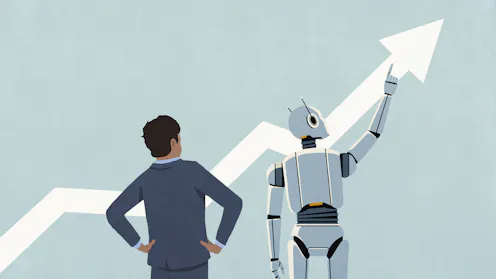
Humans and AIs have different methods of calculating words about probability like ‘maybe’ and ‘likely’ – and different interpretations about what they mean.