
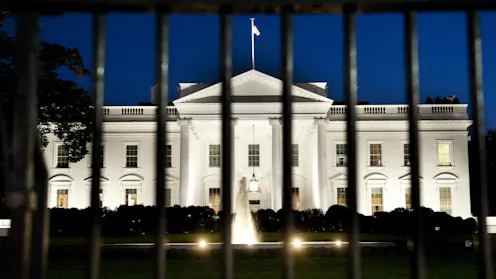
The executive order is voluntary for AI companies but aligns with AI safety experts on the potential for harm.
Science + Tech – Articles, Analysis, Opinion
Displaying 151 - 175 of 4773 articles
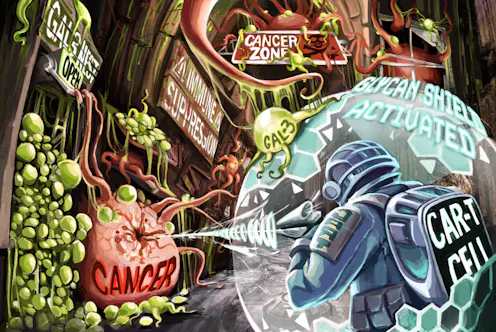
CAR-T therapy engineers a patient’s own immune cells to fight cancer. Making these cels more resilient can make treatments more effective.
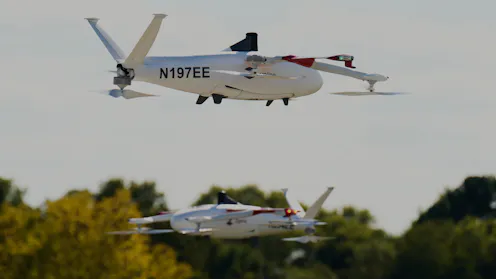
Allowing people to fly drones beyond their line of sight could greatly expand commercial applications.

Butter and margarine are both made up of long fatty acid chains, but some slight chemical differences mean differences in how they melt.
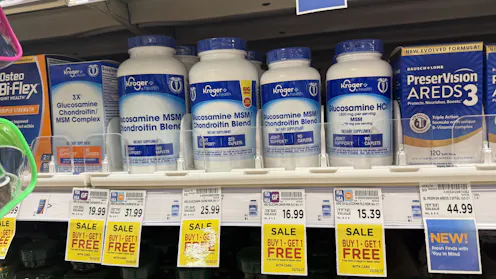
Animal experiments and analysis of patient records suggest that taking glucosamine is safe for a healthy brain but is associated with further decline in diseased brains.

Observing how grown-ups operate provides children with information on how they can shape their worlds to get what they want and avoid what they don’t want.

Scientists study small galaxies to look for hints of dark matter in the universe.
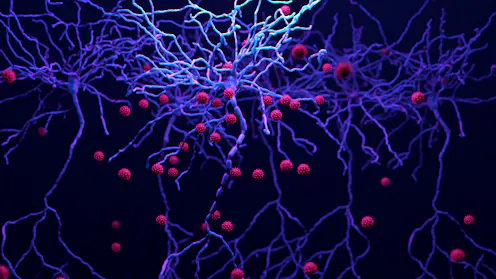
Immune cells can carry HIV into the brain, leading to problems with memory and cognition. Blocking other immune cells from the brain can make matters worse.

A physical chemist outlines the promises and risks associated with methane fuel and describes why SpaceX and Blue Origin use it in their superheavy rockets.
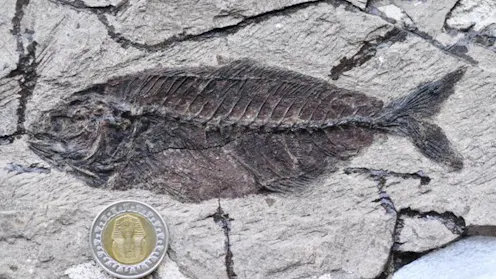
A team of researchers worked grueling, hot hours in the desert to understand the history of life in Earth’s oceans after a major extinction event.
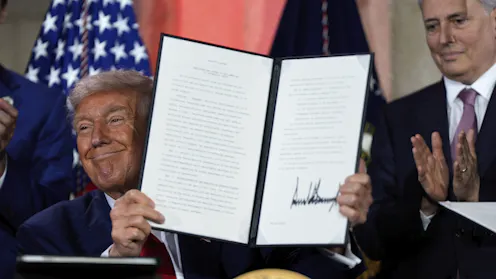
Authoritarian governments, including the Trump administration, are reorienting AI safety provisions away from protecting the public toward coercing support for the regime.
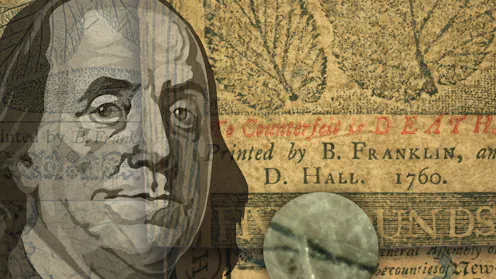
Ben Franklin led an effort to print paper bills in the American colonies, after a coin shortage constrained the economy.

Patience is a virtue that researchers have linked to many parts of well-being. But it’s also something that needs a bit of practice and training – and can be undermined by instant, easy gratification.
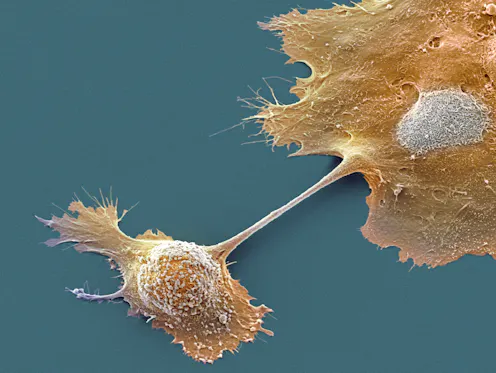
Around 97% of patients with advanced pancreatic cancer die within five years. Researchers have figured out a way to target the mechanism that makes these tumors so deadly.
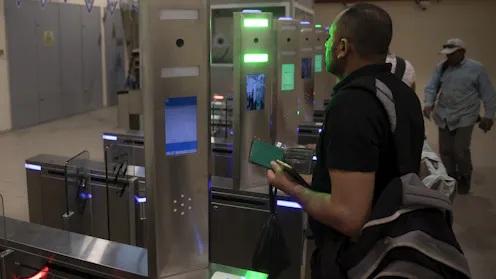
New AI-based facial recognition techniques are reducing false positive and false negative matches.

A photographer describes how your phone camera flattens and dulls the colors in photos – and how to regain an appreciation for the wide spectrum of colors.
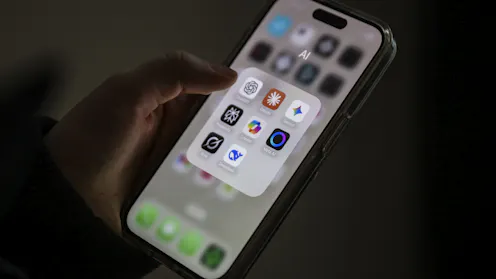
Uncertainty is common in medicine, and AI isn’t very good at navigating it.
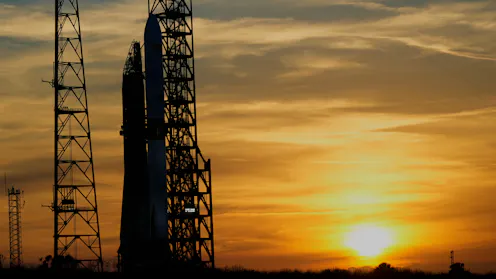
NASA has several contracts with Blue Origin as part of its Artemis program – this setback for the company could delay the program.
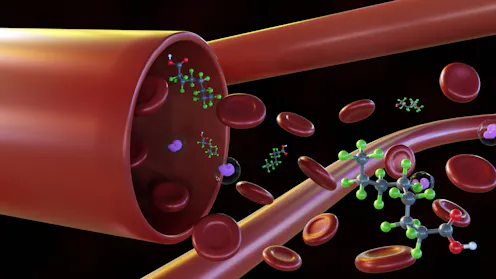
Your body likely contains an accumulation of various PFAS types, making it difficult to trace them to their sources.
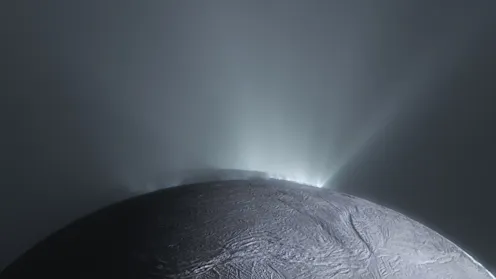
Future missions may be able to take only a small, damaged sample from space back to Earth. A simple analysis tool could help determine whether its contents suggest the presence of life.

The human mind is always searching for meaning in ambiguity. Could misinterpretations of the external world create the experience of the supernatural?

AI models can simulate the answers thousands of people would provide to a survey, but the results aren’t a reliable measure of what real people would actually say.
Is sharing your data worth what you’re getting out of it? That may be the wrong question to ask when you are thinking about whether to share.
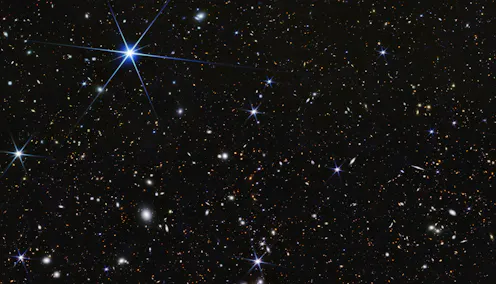
To travel between solar systems, a spacecraft would need extremely sophisticated – if not impossible – technology.

Human therapists have a legal duty to warn authorities and potential targets when patients say they plan to harm someone. The same can – in theory – be required of AI chatbots .